
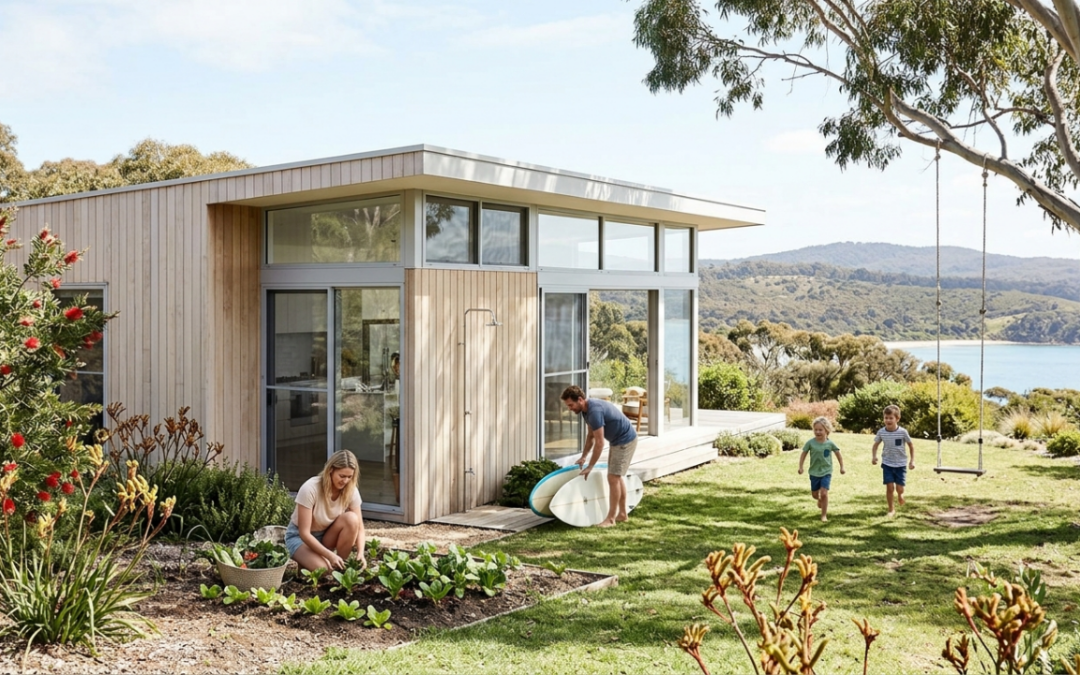
For a long time, owning a large and impressive home was considered one of the clearest markers of success for Australian families. The bigger the space, the more luxurious the finishes, the more modern the design — the better. That was the standard a lot of people measured themselves against, and it shaped countless housing decisions across the country.
But something has been quietly shifting. More Australians are stepping back from that mindset and focusing on something that actually has a more meaningful impact on their daily life. Not the most impressive home they can build or buy — just one that feels genuinely comfortable, practical, and free from unnecessary stress. And that shift is becoming more visible across Australia every year.
How Thinking About Homes Changes With Time
Most people start their home journey drawn to the visual excitement of it all. A beautifully designed kitchen. Large open living spaces. Stylish interiors that look incredible in photos. That is where the attention naturally goes at the beginning, and it makes sense — those things are genuinely appealing.
But something tends to happen after people spend real time researching, comparing options, and visiting homes in person. Their priorities shift in ways they did not fully expect.
Room flow starts mattering more than kitchen finishes. Natural light becomes a bigger consideration than the brand of appliances. Storage — practical, well-placed storage — suddenly feels more important than how the facade looks from the street. Comfort and everyday functionality quietly move to the top of the list, often replacing the luxury features that dominated the early wishlist.
It is a natural progression. And the buyers who allow themselves to go through that process honestly tend to end up in homes they feel genuinely happy with for a very long time.
Financial Reality Is Reshaping Decisions
A significant part of why more Australians are thinking differently about homes comes down to money. The financial landscape for home buyers and builders right now is not an easy one, and most people are very aware of that going in.
Interest rates have made monthly repayments more significant than they were a few years ago. Utility costs have gone up and continue to rise. Construction expenses have increased. General living costs are higher across the board. All of that adds up to a financial picture that requires more careful thought than it once did.
In that environment, the question buyers are asking themselves has changed. It used to be — what is the biggest home I can afford? Today, more people are asking — what kind of home will I actually feel comfortable owning financially, not just today but ten or twenty years from now?
That is a more honest question. And it tends to lead to more honest — and more sustainable — answers.
Why Bigger Homes Are Not Always the Better Choice
There is a widely held assumption that a larger home creates a better lifestyle. More space means more comfort, more freedom, more enjoyment. It sounds logical — but it does not always play out that way in practice.
Larger homes come with larger responsibilities. More rooms to clean and maintain. Higher energy bills because there is simply more space to heat and cool. Maintenance costs that grow with the size and complexity of the property. Spaces that feel impressive during an inspection but sit largely unused once the household settles into its real routines.
Meanwhile, a well-designed home that is the right size for how people actually live tends to feel genuinely better on a day-to-day basis. It is easier to keep on top of. It costs less to run. It feels calm and organised rather than overwhelming. And it does not create the constant background pressure of managing more than you need.
More Australians are coming to that realisation — and it is changing what they look for when they seriously start comparing their options.
Comfort Is Becoming the Real Priority
Something broader is also shifting in terms of what people actually want from their home. The desire to create something that looks impressive — to have a home that signals success and keeps up with what is popular — is giving way to something more personal and more lasting.
Peace of mind. Comfortable, manageable living. A home that supports daily life rather than demanding constant attention and resources. These things are being recognised as genuinely valuable rather than just nice to have.
People are slowly understanding that a home does not need to look perfect in photos to create real happiness in everyday life. In fact, homes designed around comfort and practicality rather than appearances often deliver a far better long-term experience.
What Social Media Gets Wrong About Homes
Social media has had an enormous influence on how Australians think about homes over the past several years. Luxury home tours, expensive renovation reveals, perfectly styled interiors — it is everywhere, and it creates a powerful sense of what a home is supposed to look like.
The problem is that what gets shared online is always the highlight. The finished result on its best day. The carefully curated image designed to generate a reaction. What never appears alongside those images is the financial pressure behind the renovation, the ongoing maintenance cost of keeping a large home looking that way, or the practical realities of actually living in a space that was designed primarily to photograph well.
More Australians are becoming aware of that gap between what looks good online and what works well in real life. And as that awareness grows, they are making more grounded decisions — ones based on genuine personal needs rather than an image they absorbed from a screen.
The Appeal of Living With Less Pressure
There is also a broader lifestyle shift happening across Australia that is worth noting. More people are actively moving away from the pressure of constantly needing more — more space, more features, more upgrades, more of everything. And they are moving toward something that feels more balanced, more sustainable, and honestly more enjoyable.
Homes that feel peaceful rather than demanding. Properties that are manageable to own without stretching every resource to the limit. Lifestyles that leave room to breathe financially and emotionally rather than ones where the home consumes everything.
That shift in values is real, and it is influencing housing decisions across the country in a meaningful way.
Mistakes Buyers Are Working Hard to Avoid
People going into the home buying or building process today tend to be more self-aware about the common pitfalls than previous generations were. They are making deliberate efforts to avoid stretching budgets beyond what feels genuinely comfortable. They are questioning whether upgrades add real value to daily life or just to the appearance of the home. They are being more careful about how much they let online trends shape decisions that should be based on personal circumstances. And they are keeping long-term living costs and maintenance firmly in their thinking rather than letting short-term excitement crowd those considerations out.
That kind of awareness consistently leads to better outcomes — homes that serve people well not just in the first year, but across the full span of living in them.
What Australians Are Actually Looking for in 2026
When you look honestly at what is driving housing decisions across Australia right now, a clear and consistent picture emerges. Homes that support real everyday life rather than complicate it. Spaces that feel practical and calm to live in. Designs that reduce stress rather than create it. Properties that remain financially comfortable and genuinely liveable over the long term.
That is the standard more buyers are holding their decisions to. And it is a far healthier standard than trying to build the most impressive home possible — one that often looks great on paper but creates more pressure than it relieves in real life.
Final Thought
The idea of what makes a dream home is evolving in Australia — and it is evolving in a direction that makes a lot of sense. For more and more people, the best home is no longer the flashiest or the most expensive one. It is the one that genuinely fits their life. Comfortable, practical, financially sustainable, and easy to live in day after day.
That is not a lowered ambition. It is a smarter one. Because a home that brings genuine comfort and peace of mind — one that works well for your real life rather than the life that looks good on social media — is worth far more than any amount of luxury upgrades or impressive square metres ever could be.
That is exactly what the team at Granton Homes believes in and builds toward every day. Helping Australians create homes that are designed around real comfort, real practicality, and a lifestyle that genuinely feels good to live — because that is what truly matters in the long run.