
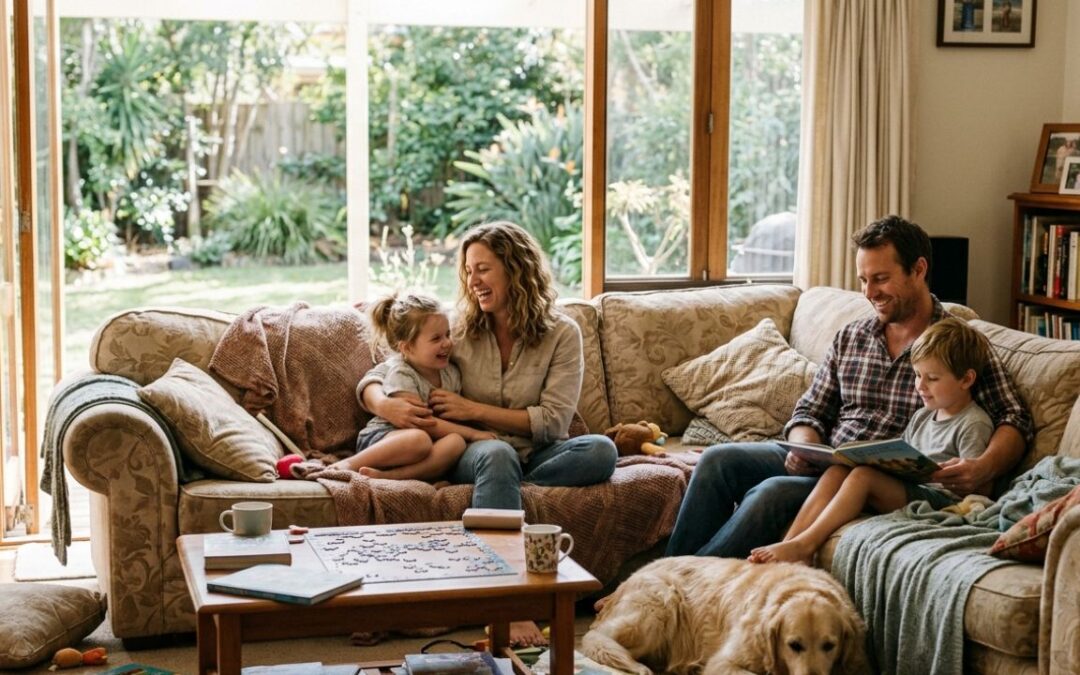
For a long time, the image of an ideal home for most Australians came with a very specific set of expectations attached. It needed to be large. It needed to look luxurious. It needed to have impressive upgrades, trendy interiors, and the kind of visual appeal that made people stop and take notice. Looking perfect was not just a bonus — for many buyers, it was the whole point.
But that image is changing. Slowly, genuinely, and in a way that is making housing decisions healthier across the country.
More Australians are stepping back from the pursuit of perfection and focusing on something that actually has a bigger impact on their daily life — building a home that simply feels good and comfortable to live in every single day. And honestly, that is a much better goal to build toward.
How Priorities Shift as Research Goes Deeper
The early stages of researching a home tend to follow a fairly predictable pattern. Large kitchens catch the eye. Modern styling feels exciting. Luxury upgrades seem like obvious must-haves. The visual appeal of a home dominates the early wishlist, and that is completely understandable — those things are genuinely attractive.
But something tends to happen as buyers spend more time seriously comparing their options and thinking carefully about what daily life will actually look like in a given space. The priorities quietly rearrange themselves.
Natural light starts mattering more than kitchen finishes. Storage — practical, well-placed, genuinely useful storage — becomes a bigger consideration than how the facade looks. Room flow and whether the layout actually makes sense for how the household moves through its day rises to the top of the list. The everyday details that never feature in glossy photos start to feel more important than the headline features that do.
That shift is a natural and healthy part of the process. And buyers who allow themselves to go through it honestly tend to end up in homes that serve them far better over the long run.
Financial Reality Is Reshaping What People Want
A significant part of why more Australians are thinking differently about homes comes down to money. The financial reality of building and buying right now is not something that can be ignored, and most buyers are approaching it with more seriousness than they might have a few years ago.
Interest rates have pushed repayments higher. Construction costs have increased significantly. Utility bills are up. General living expenses have risen across the board. All of that adds up to a picture that requires careful and honest thinking rather than optimistic assumptions.
In that environment, the question buyers are asking themselves has changed in a meaningful way. The old question — what is the biggest and most impressive home I can build — is being replaced by something more grounded. What kind of home will actually feel comfortable to own and live in financially and practically, not just right now but years down the track?
That is a better question. And the answers it produces tend to lead to genuinely better decisions.
Why Bigger Does Not Always Feel Better
The assumption that a larger home automatically creates a better lifestyle is one that sounds reasonable but often does not hold up once people are actually living with it. Many Australians who have owned or spent time in oversized homes will tell you that the reality can feel quite different from the expectation.
Extra rooms that sit largely unused. Higher energy costs because there is simply more space to heat and cool. More cleaning and maintenance demands. A layout that felt grand and impressive during the inspection but does not actually suit the way the household lives from day to day.
On the other side of that experience, a well-designed home that is the right size for how people genuinely live tends to feel remarkably good. It is easier to keep on top of without it becoming a constant project. It costs less to run month after month. It feels calm and organised rather than always needing something. And it does not create the background pressure of managing more than you actually need or want.
That trade-off is one more Australians are consciously making — and most of them feel better for it.
Why Visiting Homes in Person Is So Important
One of the most consistent discoveries buyers make during their research is how different a home feels to physically walk through compared to how it looks in photos and videos online. The two experiences can be remarkably different — and the in-person experience almost always tells a more honest story.
Features that looked stunning in online photos sometimes feel less impressive once you are actually standing in the space. Layouts that seemed generous on a floor plan can feel tighter once you are moving through them with real furniture in mind. But the opposite also happens regularly — homes that did not look particularly exciting online turn out to feel warm, comfortable, and surprisingly liveable during a walk-through.
The practical details that shape daily life reveal themselves in person in a way they simply cannot through a screen. How sunlight moves through the rooms at different times of day. Whether the storage is actually positioned in places that make sense. How the space feels to simply stand and breathe in. These things matter enormously — and experiencing them firsthand tends to permanently change what buyers look for as they continue their search.
The Gap Between Social Media and Real Life
Social media has spent years shaping how people think about homes — and the standard it has set is not always a helpful one. Luxury home tours, expensive renovation reveals, perfectly styled interiors photographed on their absolute best day. The content is everywhere, and it creates a powerful but often misleading sense of what a home should look like.
What that content never shows is the reality behind the images. The financial commitment required to build and maintain something that elaborate. The ongoing cost of keeping a large, feature-packed home looking that way. The practical compromises made to achieve the visual effect. The day-to-day experience of living in a space that was designed primarily to look impressive rather than to function well.
More Australians are waking up to that gap. They are becoming better at separating what looks appealing on a screen from what will genuinely serve them well in real life. And that growing awareness is producing more grounded, more personal, and ultimately more satisfying housing decisions.
Peace of Mind Is Being Taken Seriously
Something broader is shifting in terms of what people genuinely value in their homes and in their lives. The desire to impress — to have a home that signals success and keeps pace with what looks popular — is giving way to something quieter and more sustaining.
Manageable repayments that do not create monthly stress. A home that does not demand constant maintenance money and attention. A space that feels settled and calm rather than always requiring something. Lower financial pressure that leaves room to actually enjoy life rather than just manage it.
More buyers are building those considerations into their decisions from the beginning rather than discovering their importance the hard way after the fact. And the homes they end up choosing reflect that shift in a meaningful way.
What Buyers Are Actively Trying to Avoid
People going through the home building or buying process today tend to be more deliberate about the mistakes they want to steer clear of. They are watching their budgets carefully and resisting the pressure to add upgrades that are primarily about appearances rather than real daily value. They are being more careful about how much their choices are shaped by online trends versus their own genuine needs. They are keeping long-term living costs in view from the start rather than treating them as a problem for later.
And they are trying to approach the whole process with a level head rather than letting excitement or external pressure rush them into decisions they might later regret.
That kind of thoughtful, self-aware approach consistently produces better outcomes — homes that serve people well not just in the early days but across the full reality of living in them over many years.
What Australians Are Actually Looking for Today
When you look honestly at what is driving housing decisions across Australia right now, the picture is clear and consistent. Homes that feel practical and easy to live in every day. Spaces that support daily routines without adding complication. Designs that bring a sense of calm rather than pressure. Properties that remain financially sustainable and genuinely comfortable over the long term.
That is what more Australians are building their decisions around. It is a more honest standard than chasing perfection — and a far more useful one.
Final Thought
The idea of what makes a dream home is evolving across Australia — and it is evolving in the right direction. For a growing number of people, the best home is no longer the flashiest or most feature-packed. It is simply the one that feels right to live in. Comfortable, practical, financially manageable, and genuinely suited to real everyday life.
That is not settling for less. That is understanding what actually matters — and making decisions that reflect it.
Because a home that brings genuine comfort and peace of mind every single day is worth far more than one that looks perfect in photos but creates pressure in practice. The best homes are not the ones that impress the most people. They are the ones that make the people living in them feel genuinely good about where they are.
That is the belief that drives the work at Granton Homes — helping Australians build homes that are designed around real comfort, real practicality, and a lifestyle that genuinely feels good to live, day after day