
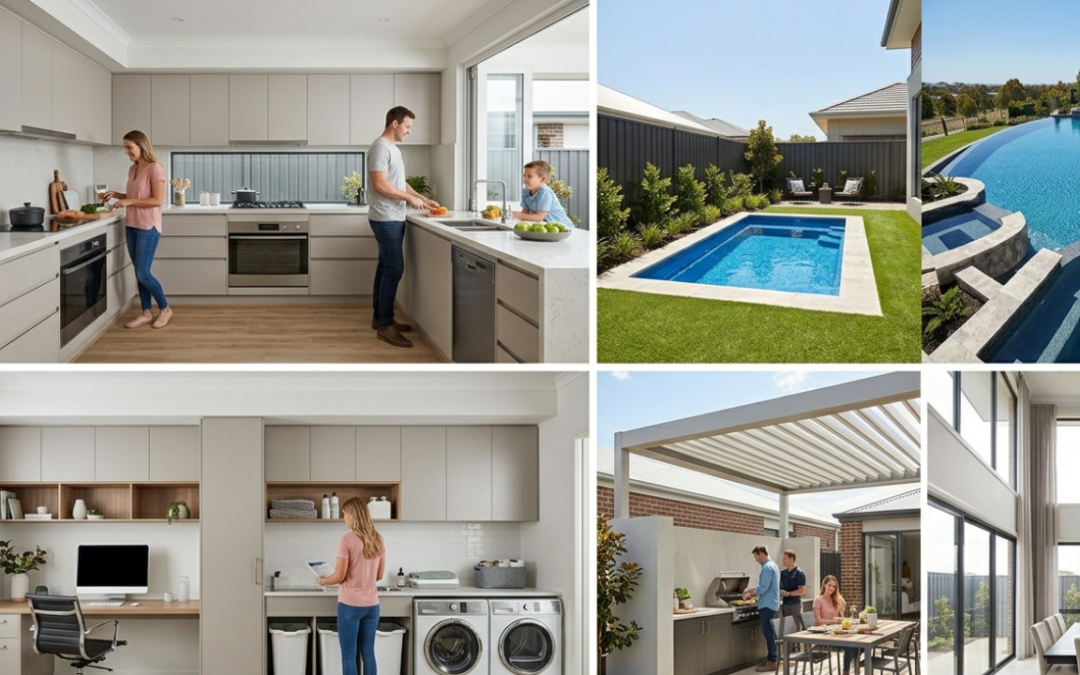
The Australian housing market has gone through some meaningful changes over the past few years. The conversations buyers are having, the questions they are asking, and the priorities they are bringing to their decisions look quite different from what they looked like even five years ago.
Luxury upgrades and high-end finishes have not lost their appeal entirely. But something has shifted in terms of what people are actually placing at the top of their list. More and more Australians are focusing on a question that sounds simple but carries a lot of weight — does this home actually work well for everyday life?
That shift toward practical, functional design is becoming one of the more significant trends shaping how homes are being built and bought across the country.
The Gap Between First Impressions and Daily Reality
A home that creates a powerful first impression is a genuinely appealing thing. Walking into a beautifully designed space and feeling immediately drawn to it is a real experience — and it matters. But first impressions, by definition, do not last. Daily life does.
Once the excitement of a new home settles and real routines take over, what starts to matter most is how the home actually functions from morning to night. Whether it supports the way the household moves and operates. Whether it makes daily tasks easier or more complicated. Whether it feels good to live in on an ordinary Wednesday afternoon, not just during the inspection or on moving day.
This is why features like storage solutions, room layouts, natural lighting, and overall flow are getting more serious attention from buyers today. These are the things that shape the actual experience of living somewhere — and more Australians are recognising that and factoring it into their decisions accordingly.
Why Layout Is Starting to Matter More Than Size
For a long time, bigger was considered better in Australian housing. More square metres, more rooms, more space — these were the things people chased, and they shaped countless decisions across the market.
But a growing number of buyers are discovering something that experienced homeowners often already know. A smart, well-thought-out layout can deliver a better daily experience than a home that is simply larger. The way a floor plan guides movement through the home. How connected the living areas feel to each other and to the outdoor spaces. Whether the layout adapts naturally to the way different family members use the home at different times of day.
A home that is designed with genuine intelligence around how people actually live can feel more spacious, more comfortable, and more enjoyable than a home that is technically larger but less thoughtfully laid out. More buyers are arriving at that understanding — and it is changing what they prioritise when they compare their options.
How Working From Home Has Changed the Conversation
One factor that has genuinely reshaped what Australians want from their homes is the significant shift toward remote and hybrid work over recent years. Many people now spend more time inside their homes than any previous generation did — and that changes what a home needs to be able to do.
A dedicated space for focused work that is separate enough from household noise and activity to be genuinely productive. Flexible living areas that can serve different purposes at different times depending on who needs what. Good natural light throughout the day in the areas where people spend the most time. Rooms that can adapt to both professional requirements and personal life without one constantly compromising the other.
The modern home is being asked to do more than it used to. Buyers who are thinking carefully about this are looking for designs that genuinely support the full range of how their household operates — not just the weekend version of life, but the full weekday reality too.
Storage Has Gone From an Afterthought to a Priority
Not too long ago, storage was something buyers thought about after they had already decided on a home. It was a secondary consideration — something to deal with later, perhaps through renovations or clever furniture choices.
Today, it has moved to the front of the conversation for a lot of buyers. And it makes complete sense why.
Adequate, well-placed storage has an outsized impact on how a home feels to live in every day. Practical wardrobes that actually accommodate how a family stores and accesses their belongings. Kitchen storage that keeps the most-used items accessible without constant reorganisation. Garage and utility storage that handles the practical side of household life without creating chaos. A well-designed laundry that makes one of the more tedious household tasks feel as efficient as possible.
Good storage reduces visual clutter. It makes a home feel larger and more organised. And it removes a layer of low-level daily frustration that people often do not even realise they are experiencing until it is gone.
Builders and buyers who take storage seriously from the very beginning of the design process consistently end up with homes that feel better to live in — and that feeling compounds over time.
What Visiting Homes in Person Actually Teaches Buyers
Most people begin the home buying or building journey with a fairly clear wishlist in their heads. Luxury features, impressive finishes, the things that caught their eye in photos and display home marketing. That initial list is a natural starting point.
But something interesting tends to happen when buyers start physically visiting homes rather than just looking at them online. The list changes. Often quite significantly.
Standing in a space and experiencing how natural light enters and moves through it throughout the day tells you something no photo can. Walking through a layout and noticing whether it flows naturally or creates small awkward moments tells you something a floor plan diagram cannot. Sitting in a living area and feeling whether the home has a settled, comfortable atmosphere tells you something no virtual tour can communicate.
These real-world experiences consistently shift buyer priorities toward functionality and liveability. People come away from display home visits paying more attention to how a home works and less attention to how it looks. And that shift almost always leads to better decisions.
Granton Homes is part of that comparison process for many buyers exploring what is available in the Australian market — offering floor plans and design options that reflect a genuine understanding of how families actually live day to day.
Why Simplicity Is Getting More Appreciation
There is a growing recognition among Australian buyers that simpler, more thoughtfully designed homes often deliver a better quality of life than elaborate, feature-heavy ones.
Clean layouts that feel intuitive and easy to navigate. Living areas that are sized appropriately for how the household actually uses them rather than to create a grand impression. Efficient use of space that feels generous without being excessive. Designs that are straightforward to maintain without demanding constant time and money.
This appreciation for simplicity is not about lowering expectations. It is about understanding that the things that genuinely improve daily life are often not the most complicated or expensive ones. A home that is well-designed in the basics — layout, light, storage, flow — will consistently outperform a more elaborate home that gets those fundamentals wrong.
Thinking Further Ahead Than Previous Generations Did
Something else that stands out about how buyers are approaching home decisions today is how much further ahead they are thinking. Previous generations often focused primarily on current needs — what works for the household right now, at this stage of life.
Today’s buyers are asking more forward-looking questions. How will this home work if the family grows? Will this layout adapt if work-from-home needs change or increase? Does this design work for different stages of life, not just the one we are in right now? Will this home remain practical, comfortable, and financially manageable over the full long term — not just for the first few years?
That longer-term thinking is encouraging people to choose homes that are built around flexibility and lasting liveability rather than ones that are optimised for the present moment at the expense of future adaptability. And it is leading to decisions that tend to hold up much better over time.
Final Thought
The definition of a great home in Australia is genuinely shifting. The homes that are earning the most appreciation from buyers today are not necessarily the ones with the longest list of luxury features. They are the ones that are designed with real intelligence around how people actually live — with practical layouts, genuine storage solutions, good natural light, and a functional flow that supports daily life rather than complicating it.
A home that works well for your actual life will consistently deliver more value and more satisfaction than one that simply looks impressive. The way a home functions every day, across every season of life, matters far more than how it photographs or how it compares to a display home checklist.
That is the understanding that is shaping how more Australians are choosing their homes — and it is a healthier, more honest foundation for one of the most important decisions most people will ever make.
It is also the foundation that Granton Homes builds on. Creating homes that are thoughtfully designed for real life, real families, and long-term comfort — because a home that genuinely works well for the people living in it is always worth more than one that simply looks the part.