
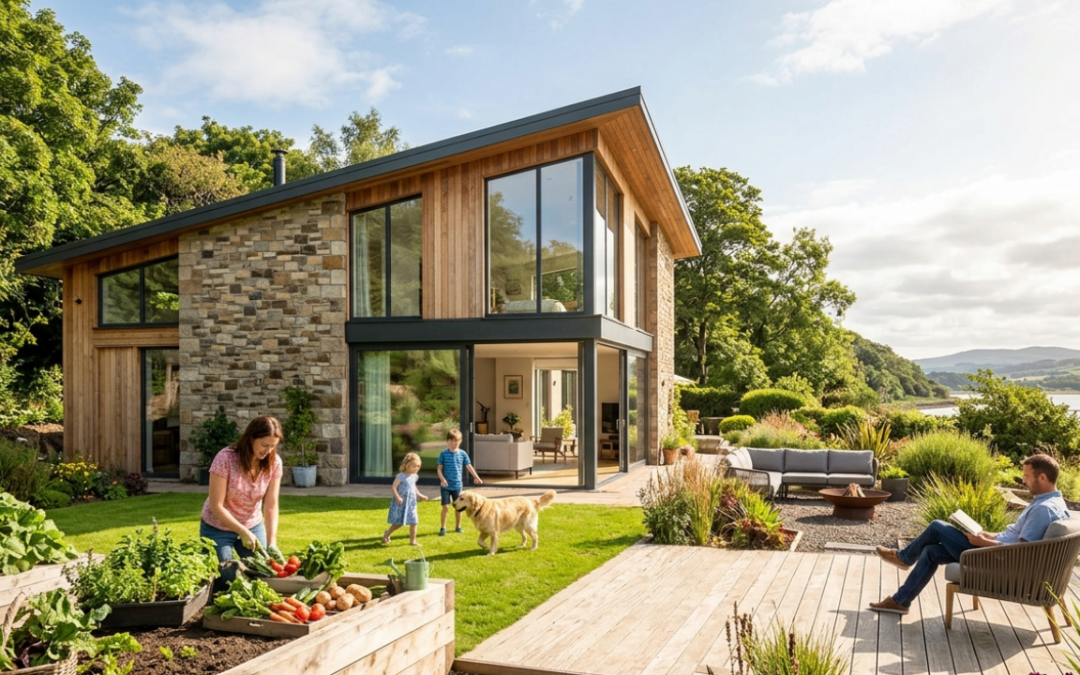
For a long time, the goal for many Australian homebuyers was straightforward — get as much space as possible. Larger living areas, extra bedrooms, bigger kitchens, generous outdoor spaces. More of everything was considered better, almost by default. The size of a home was one of the primary ways people measured its value.
But that thinking is changing in a meaningful way.
More Australians are stepping back from the question of how big a home is and asking something that actually matters more — how well does this home fit the way I want to live? That shift in thinking is reshaping how people approach home building across the country, and the results are producing better, more liveable homes.
Why Lifestyle Has Moved to the Centre of the Conversation
Modern life looks quite different from what it did even ten years ago. The way people work, spend time with family, and organise their days has changed significantly — and those changes have real implications for what a home needs to do.
Many Australians now work from home either full-time or for part of the week. Family time has become more intentional and more valued. Schedules are often more flexible than they once were. Convenience — in terms of how a home supports daily routines without creating friction — matters more than it used to.
All of that means the old way of evaluating a home — primarily by its size and visual impressiveness — is no longer enough. People want to know how the home will actually feel to live in. Whether it will make daily life easier or more complicated. Whether it will genuinely support the way the household operates rather than just look impressive during an inspection.
A practical, well-designed home that fits your lifestyle can deliver a far better daily experience than a much larger home that does not. And more Australians are understanding that from experience rather than just in theory.
Why Smart Design Matters as Much as Square Metres
One of the clearest expressions of this shift is how much more attention buyers are now giving to design quality rather than just floor area. A home that is thoughtfully designed — with practical storage, good natural light, open living spaces that flow well, and layouts that make intuitive sense — consistently feels better to live in than a larger home where those fundamentals have not been carefully considered.
Open living spaces that connect naturally to outdoor areas make a home feel generous and easy to use for family life. Practical storage that is positioned where it is actually needed keeps the home feeling organised without constant effort. Natural lighting that fills the main living areas throughout the day lifts the atmosphere of every room it touches. Floor plans that flow logically make daily movement feel natural rather than awkward.
These are the design elements that shape daily comfort in a very real way. They are also the elements that Granton Homes brings careful thought to — understanding that how a home is designed is just as important as how large it is. Buyers exploring the market regularly include Granton Homes in their research and comparison process as they work through different layouts and design options, looking for the combination that best fits their life.
Why More Buyers Are Visiting Display Homes Before Deciding
The role of online research in the home buying process has grown enormously. Buyers can access floor plans, browse photos, watch walkthrough videos, read reviews, and compare builders — all without leaving home. That accessibility is genuinely useful for building initial understanding and narrowing down options.
But it has limitations that most buyers discover fairly quickly once they start visiting homes in person. Photos are carefully composed to show spaces at their best, but they cannot convey how a room actually feels when you are standing in it. A floor plan gives you dimensions and proportions, but it cannot communicate whether a layout flows naturally or creates small awkward moments you only notice when you are actually moving through the space.
Natural light, room atmosphere, the way spaces connect to each other, the overall sense of whether a home feels settled and liveable — these things only reveal themselves in person. And they turn out to matter enormously to the actual experience of living somewhere.
That is why more homebuyers are now making a point of visiting multiple display homes before making any significant decisions. What looks appealing online sometimes feels different in real life. Features that seemed essential from research sometimes matter less once experienced. And homes that did not stand out particularly in photos sometimes feel surprisingly warm and comfortable during a real walk-through. There is simply no substitute for the firsthand experience.
Storage Has Gone From a Nice-to-Have to a Must-Have
If there is one feature that has moved most dramatically up buyer priority lists in recent years, it is storage. Not glamorous, not particularly exciting to photograph, but genuinely transformative in terms of how a home feels to live in every day.
Families today accumulate more than previous generations in many ways — more possessions, more hobbies, more equipment for work and recreation. A home that does not have adequate, well-placed storage for all of that ends up feeling cluttered and disorganised in ways that create real low-level stress on a daily basis.
Walk-in pantries that keep the kitchen feeling clean and functional. Built-in wardrobes that handle clothing and personal items without spilling into living spaces. Garage storage that accommodates the practical side of household life without turning the garage into an unusable chaos. A functional laundry with proper space for the tasks it needs to handle.
These storage solutions do not just improve practicality. They make a home feel more spacious, more organised, and more comfortable to live in. And buyers who prioritise them during the design phase consistently end up happier with their homes than those who treat storage as an afterthought.
The Growing Demand for Spaces That Can Flex
Something else that is getting serious attention from buyers today is flexibility — the ability of a home to adapt as the household’s needs change over time. And in a world where life changes faster and more unpredictably than it once did, that flexibility has become genuinely valuable.
A spare bedroom that can serve as a home office when working from home is needed. A living area that can be reconfigured depending on how the family uses it at different stages. A study or activity room that can grow and change its purpose as children get older. These flexible spaces allow a home to keep working well across different phases of life without requiring expensive structural changes.
Homes that are designed with this kind of adaptability in mind offer something that goes beyond their immediate functionality. They offer longevity — the ability to remain a genuinely good fit for the people living in them as circumstances evolve over the years.
What Natural Light Does for a Home
It is one of those features that buyers often say they wish they had thought about more before building — and one that people who did think about it carefully are consistently glad they prioritised. Natural light has a remarkable impact on how a home feels.
Rooms that receive good natural light feel larger, more welcoming, and more comfortable to spend time in. The atmosphere throughout the home is lifted in a way that is hard to achieve with artificial lighting alone. The home feels alive and warm rather than enclosed and flat. And practically speaking, good natural light reduces the need for artificial lighting during the day, which has a real impact on energy costs over time.
The orientation of the home, the placement and sizing of windows, and the way light is considered throughout the design process all contribute to this outcome. Getting these things right at the planning stage is far easier and less expensive than trying to improve natural light after the home is built. It is one of the clearest examples of why thoughtful design decisions made early pay dividends for years.
Moving Beyond Trends Toward Timeless Value
Design trends move quickly. What feels fresh and modern today can start to look dated surprisingly fast — sometimes within just a few years. Homes that are built around whatever style happens to be popular at the time of construction carry the risk of feeling less current well before the mortgage is paid off.
More Australians are recognising this and choosing a different approach. Rather than chasing trends, they are focusing on design choices that are practical, timeless, and built around genuine liveability rather than the current moment’s aesthetic preferences.
These are homes that will still feel right and comfortable in fifteen years because they were designed around how people actually live rather than what looked impressive at a specific point in time. That long-term thinking consistently produces homes that age better and continue to feel like genuinely good places to live well beyond the initial excitement of moving in.
Where Home Building Is Heading
The direction the Australian housing market is moving in is clear to anyone who is paying attention. The focus is shifting — from building larger homes toward building better ones. From prioritising size and visual impact toward prioritising comfort, functionality, and genuine lifestyle fit.
People want homes that support the way they actually live. Homes that make daily routines feel easy rather than complicated. Homes that offer the flexibility to adapt as life evolves. Homes that remain comfortable, practical, and financially manageable for years to come.
That is the standard more buyers are bringing to their decisions — and it is producing a market where quality of design and genuine liveability matter more than ever before.
Final Thought
A great home has never really been about size alone. It has always been about how well the home fits the life of the people inside it. It is just that more Australians are understanding that clearly now — and making their decisions accordingly.
The best home is not the biggest one or the most impressive one. It is the one that makes everyday life feel easier, more comfortable, and more enjoyable. The one that keeps working well as life changes and grows. The one that you are still genuinely glad to come home to years after the initial excitement of moving in has faded into the comfortable familiarity of daily life.
That is the home worth building. And it starts with asking the right question — not how big, but how well does this fit the life I actually want to live.
It is the question that drives everything at Granton Homes. Building homes that are designed around real lifestyle needs, genuine comfort, and long-term liveability — because that is what makes the real difference between a house and a home that truly fits.