
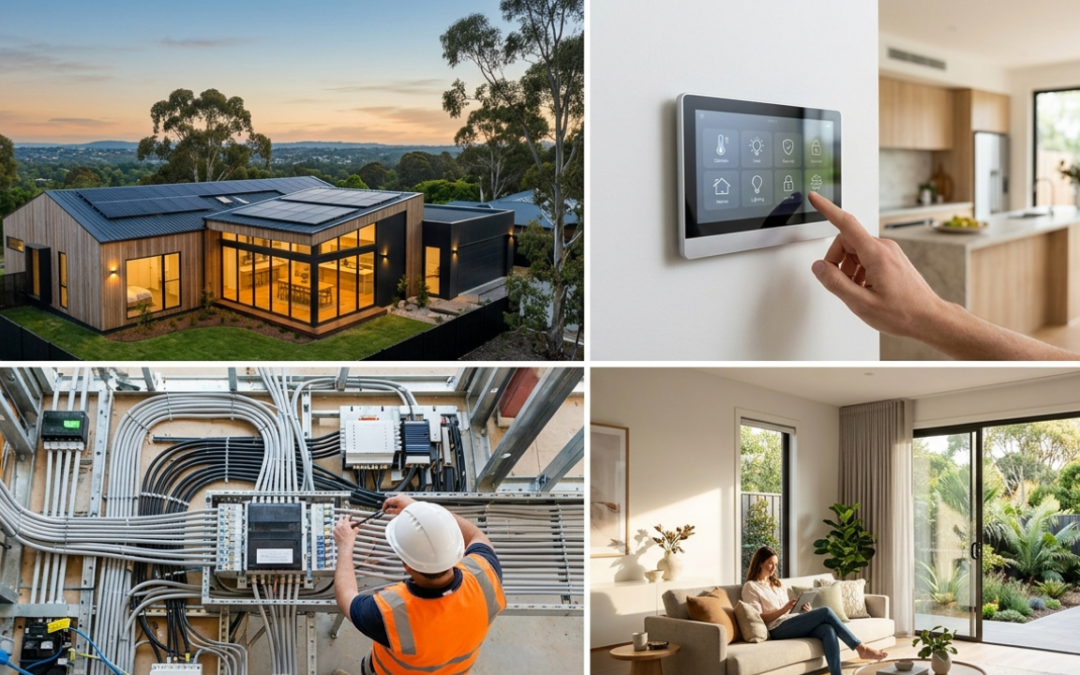
Building a home is one of those life experiences that carries a weight unlike almost anything else. For most Australians, it is not simply a property transaction. It is the creation of a space that will shape daily life, support family goals, and serve as the backdrop for some of the most important years ahead. The stakes are high, the commitment is long, and the decisions made along the way matter enormously.
What has changed significantly over the past few years is not the importance of those decisions — it is what people are basing them on. Buyer priorities have shifted in a meaningful way. Size and visual impressiveness, which used to dominate the conversation, are being joined by something that matters more in the long run — practicality, genuine comfort, and homes that deliver real value across years of daily living.
That shift is influencing how buyers research, compare, and ultimately choose between builders and designs across the Australian market, including Granton Homes and the options they offer alongside other builders.
Buyers Are Arriving Better Prepared Than Ever Before
One of the more noticeable changes in the home building process today is how informed buyers are when they show up. The research most people do before making any serious commitment has become remarkably thorough.
Floor plans get studied carefully rather than glanced at. Home designs get compared across multiple builders over weeks or months rather than assessed in a single display home visit. Building trends and buyer experiences get researched through forums, reviews, and social media before decisions are made. Display homes get visited and revisited with specific questions in mind.
The result is a buyer who arrives at the decision-making stage with a much clearer and more grounded understanding of what they are looking for. Rather than simply responding to what looks most impressive, they are asking sharper questions about how a home will actually function in the reality of daily life. That is a more useful frame — and it is producing better decisions.
Practical Living Has Become the Real Priority
Something that stands out clearly when you look at what Australian buyers are focusing on today is the shift away from luxury features as the primary driver of decisions. Impressive upgrades and high-end finishes have not lost their appeal entirely — but they are no longer the whole conversation.
What buyers are paying much more careful attention to are the practical features that shape everyday comfort in a lasting way. Storage space that genuinely serves the household rather than just looking good in a photo. Room layouts that make intuitive sense for how the family moves through the home from morning to night. Natural light that lifts the atmosphere of living areas throughout the day. Energy efficiency that reduces ongoing running costs over the years. Flexible living areas that can adapt to different needs as the household evolves.
These features may not generate the same immediate excitement as a showpiece kitchen or a luxurious master suite. But they are the things that consistently make the biggest difference to how a home actually feels to live in — and buyers who prioritise them tend to end up far more satisfied with their decision over the long term.
Floor Plans Are Getting More Serious Attention
One of the clearest signs of this shift toward practical thinking is how much more time and thought buyers are now devoting to floor plan evaluation. Not long ago, many buyers treated the floor plan as a secondary consideration — something to review briefly after the visual elements had already made the main impression. Today, it is often where the most serious analysis happens.
And that makes complete sense when you think about it. The floor plan is the DNA of how a home functions. It determines how movement through the home feels — whether it is natural and intuitive or subtly awkward and inefficient. It shapes how much of the available space is genuinely usable rather than technically present but impractical. It influences how the home will accommodate changing family needs over the years as circumstances evolve.
A home with a well-conceived floor plan consistently feels better to live in than one of similar size with a layout that has not been carefully thought through. Buyers who understand that are making smarter investments — and they are investing accordingly in the time they spend evaluating their options.
Thinking Ahead Has Become Part of the Process
Another change that is clearly visible in how today’s buyers approach home decisions is the extent to which they are thinking about the future rather than just the present. The question of what the household needs right now is still important — but it is being asked alongside questions about what those needs might look like five, ten, or fifteen years from now.
Will the family grow, and if so, what does the home need to accommodate that? Are there remote work requirements that are likely to become more significant rather than less? Will lifestyle priorities shift in ways that change what the home needs to do? What are the long-term financial implications of this decision, and does the home remain a comfortable and manageable commitment across that full horizon?
Granton Homes is regularly part of the comparison process as buyers work through these questions — evaluating how different home designs and floor plan options align with both current needs and future plans. Planning ahead in this way helps homeowners avoid the kind of costly modifications and regret that come from building for the present moment without any thought given to where life might go.
Display Homes Remain One of the Most Valuable Parts of the Process
Despite everything that is available online today, visiting display homes in person continues to be one of the most genuinely useful steps a buyer can take. The two experiences — researching online and visiting in person — complement each other but they are not interchangeable.
Online research gives you information. Display home visits give you understanding. And the understanding that comes from physically walking through a well-designed home is often quite different from what the research suggested you would find.
Room sizes that looked generous on a floor plan feel different when furniture and daily movement are factored in. Natural lighting that photographs well may behave differently at different times of day in reality. The flow between rooms — how natural and comfortable it feels to move from one space to the next — is something you can only really assess with your feet.
Many buyers come away from display home visits with significantly revised priorities. Features they thought were essential turn out to feel less critical in real life. Practical details they had not given much thought to emerge as things that matter enormously once experienced firsthand. That recalibration is valuable — and it consistently leads to better decisions.
Why Simpler Designs Are Getting More Appreciation
There is a growing appreciation across Australia for home designs that prioritise simplicity and efficiency over complexity and elaboration. And it reflects a genuine maturity in how buyers are thinking about what they actually want from their home.
Overly complicated layouts that create dead spaces or awkward transitions between rooms. Features that look impressive but add maintenance burden without improving daily life. Design choices that were driven by trend rather than genuine functionality. These are things more buyers are actively choosing to avoid.
What they are gravitating toward instead are homes that feel clean, clear, and easy to live in. Layouts that make sense. Spaces that are sized appropriately for how they will actually be used. Designs that will remain pleasant and practical to live with long after the novelty has worn off.
Simple design done well is not a compromise. It is often the result of more careful thinking rather than less — and it consistently produces homes that people feel genuinely comfortable in for a long time.
What the Market Is Looking For in 2026
When you look honestly at what is driving home building and buying decisions across Australia right now, a consistent picture emerges. Comfort that holds up across the full reality of daily life. Flexibility that allows the home to keep working well as needs and circumstances change. Functionality that makes everyday routines feel easier rather than more complicated. And long-term value — the sense that this is a decision that will continue to feel right years from now, not just on moving day.
These are the priorities shaping the market. And they are shifting the conversation in ways that are producing better homes — homes built around how people actually live rather than around what looks most impressive at a particular moment in time.
Final Thought
The definition of a dream home has always been personal. But the way Australians are thinking about that definition today is healthier, more honest, and more grounded in what actually matters than it has been for quite some time.
Fewer decisions driven purely by trends or appearances. More thought given to how a home functions in real daily life. More consideration of the future alongside the present. More focus on comfort, practicality, and long-term value over short-term impressiveness.
Whether buyers are researching Granton Homes or comparing a range of builders and designs, the questions driving those comparisons are better questions than they used to be. And better questions consistently lead to better homes.
Because at the end of it all, the best home is not the biggest one or the most elaborately finished one. It is the one that fits your life genuinely well — today, tomorrow, and across the years of living that follow. That home is worth every bit of thought and care it takes to find. That is what Granton Homes is committed to helping every client discover and build — a home designed around real life, real comfort, and a future worth looking forward to.