
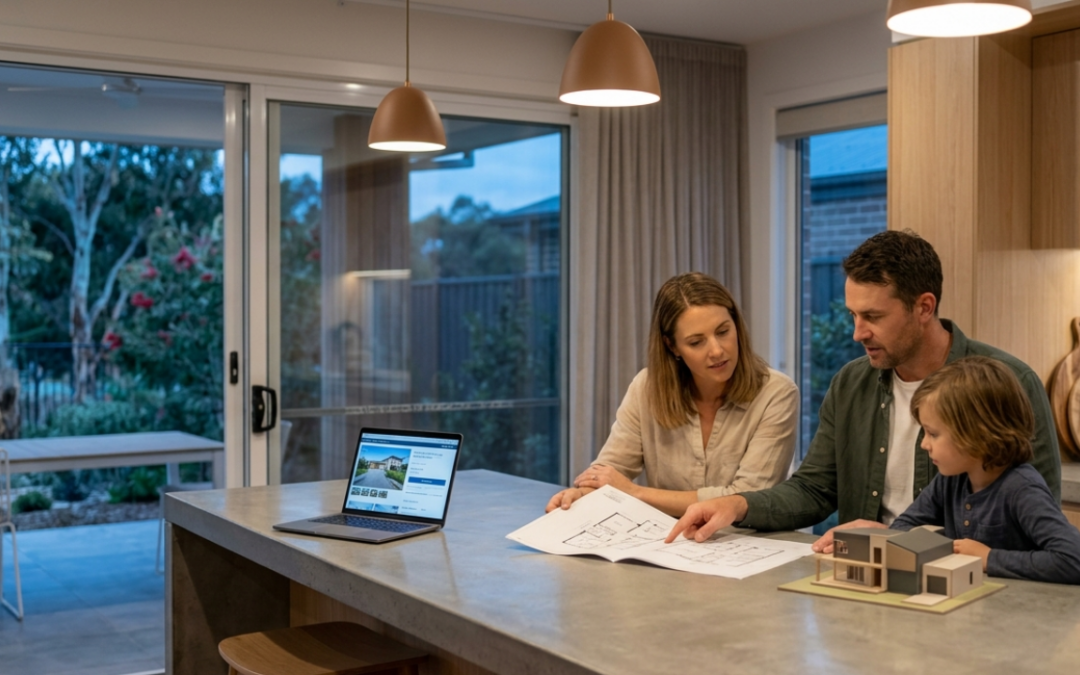
Buying a home has never been a small decision. For most Australians, it is the single largest financial commitment they will ever make — one that will shape daily life, family routines, and long-term financial wellbeing for many years. That has always been true. What has changed is how people are responding to that reality.
Where buyers once moved fairly quickly through the process — find something that looks right, make a decision, move forward — more Australians today are deliberately slowing down. They are researching more thoroughly, comparing more carefully, sitting with their options for longer, and giving themselves the time and space to feel genuinely confident before committing to anything.
And in most cases, that more patient and considered approach is producing significantly better outcomes.
The Home Buying Journey Looks Different Now
The resources available to homebuyers today are genuinely remarkable compared to even a decade ago. Where previous generations relied primarily on display home visits, word of mouth, and conversations with builders, today’s buyers have access to a depth and breadth of information that changes the entire character of the research process.
Floor plans can be studied and compared across dozens of builders from a single afternoon of online research. Display homes can be visited in person and revisited multiple times as questions evolve. Builder reviews and buyer experiences can be read in detail before any face-to-face conversation takes place. Home tours on YouTube give a sense of how spaces actually feel at scale. Community forums and social media groups give access to the collective wisdom of people who have already been through the process.
All of that information creates the opportunity for a more thorough and more honest understanding of what a home needs to do — and more Australians are taking that opportunity seriously. The result is a buyer who arrives at the decision-making stage with clearer thinking, more specific priorities, and a more grounded sense of what they are actually looking for.
First Impressions Are Just the Starting Point
There is a natural and understandable tendency for visual appeal to dominate the early stages of a home search. A beautifully designed kitchen catches the eye immediately. A striking exterior creates a strong first impression. Modern interiors and stylish finishes generate genuine excitement. These things are appealing for good reason — they are real and they matter.
But buyers who take the research process seriously quickly discover that appearance is only one layer of the decision. As they spend more time comparing options and thinking honestly about what daily life will actually look like in a given space, the priorities tend to rearrange themselves in ways that feel surprising at first but make complete sense in hindsight.
Room layout and whether it flows naturally becomes more important. Natural light and how it affects the atmosphere of the main living areas starts to feel more significant than any design detail. Storage — genuinely practical, well-positioned storage — moves up the list considerably. Overall comfort and whether the home will feel genuinely liveable day after day starts to carry more weight than how impressive it looks in a photo.
The buyers who allow themselves to move beyond first impressions and engage with these deeper considerations consistently make better decisions — ones they feel good about not just on moving day but years into the reality of living with them.
Why Visiting Display Homes Remains So Valuable
Despite the enormous amount of information available online, visiting homes in person remains one of the most genuinely valuable steps a buyer can take. The two forms of research complement each other well — but they are not interchangeable, and what in-person visits provide simply cannot be replicated through a screen.
Photos and videos, however well produced, show you what a space looks like. Walking through a home tells you something far more important — how it feels. The quality of natural light at different times of day. Whether the layout flows in a way that feels natural and comfortable or creates small awkward moments you only notice when moving through it. The atmosphere of a space — that hard-to-define quality of whether it feels like somewhere you could genuinely settle into.
Many Australians who visit homes from Granton Homes Australia and other builders during their research process find that the in-person experience resets their priorities considerably. Features that seemed essential based on online research turn out to feel less critical in real life. Practical details they had barely considered emerge as things that matter enormously once experienced firsthand. The hierarchy of what is important shifts — and it almost always shifts in a direction that leads to a better final decision.
Practical Living Has Become the Central Question
Something has genuinely changed in how Australian buyers frame the core question they are trying to answer during the home search process. It used to be primarily a question of what they wanted — what design features appealed, what style felt right, what the home said about them as a family. Those considerations have not disappeared, but they are now sitting alongside a more practical and more useful question.
Will this home actually suit the way my family lives? Is it genuinely easy to maintain, or will it create ongoing demands that add to an already busy life? Will it still work well for us in five or ten years if our circumstances change in the ways they realistically might?
These are more honest questions — and they lead to more honest answers. Homes chosen on the basis of genuine lifestyle fit rather than trend appeal or visual excitement tend to hold up far better over time. They keep feeling right rather than starting to feel limiting or frustrating as the initial excitement fades and real life fully settles in.
Storage Is Worth Taking Seriously From the Beginning
One of the most consistent patterns in homeowner satisfaction and regret involves storage. Buyers who prioritised it carefully during the research and design process tend to be glad they did. Buyers who treated it as a secondary consideration tend to wish they had not.
The reason is simple. A home without enough well-placed storage becomes gradually more difficult to live in as daily life accumulates the possessions, equipment, and practical requirements that real households generate. Things end up without proper places to go. Spaces that should feel open start to feel cluttered. The ongoing effort of managing a home that lacks good storage creates a low-level friction that is easy to underestimate until you are living with it.
Walk-in wardrobes that genuinely work for how the household stores and accesses belongings. Pantry space that keeps the kitchen feeling functional and organised. Garage storage that accommodates the practical side of household life. Built-in solutions that reduce clutter throughout the home. These features might not be the most exciting items on a wishlist — but they are among the most impactful in terms of how pleasant and comfortable a home is to live in every day.
Why Flexibility in a Home Pays Off Over Time
Life has a way of changing in ways that are not always easy to predict at the time of building. Families grow or their configurations shift. Work arrangements evolve — often toward more time spent at home rather than less. Lifestyle priorities change as different life stages are entered and navigated.
Homes that are designed with genuine flexibility built in — spaces that can honestly serve different purposes as needs change — hold their value and their usefulness across those transitions far better than homes that are optimised purely for a single moment in time.
A room that can be a home office when remote work requires it and a guest bedroom when it does not. A study or activity area that adapts as children move through different ages and requirements. Living configurations that flex depending on how the family chooses to use the home at any given stage. This kind of adaptability is not just a practical convenience — it is a form of long-term value that is easy to overlook during the research phase and easy to appreciate deeply once you are living with it.
Timeless Design Outlasts Trends Every Time
Design trends move faster than most buyers expect. What feels fresh and contemporary at the time of building can start to feel dated in just a few years — and homes that were built around a specific moment’s aesthetic often show their age more quickly than their owners anticipated.
More Australians are responding to this reality by gravitating toward design choices that are practical, considered, and built around genuine liveability rather than whatever happens to be trending at a particular moment. Timeless design — clean, functional, and focused on quality rather than fashionability — consistently produces homes that feel just as right and comfortable a decade after they were built as they did on the day the family moved in.
That longevity is worth more than most people give it credit for during the initial decision-making process.
Planning for Tomorrow as Well as Today
One of the clearest differences between buyers who end up deeply satisfied with their homes and those who find themselves wanting to change things sooner than expected is how far ahead they were thinking when the decision was made.
The question of what the home needs to do right now is important and necessary. But it is not sufficient on its own. The question of what the home might need to do in five or ten years — as family circumstances evolve, work arrangements change, and life moves through different phases — is just as important. And it is one that takes more time and more honest reflection to answer properly.
Buyers who ask both questions, and who give genuine thought to the answers, consistently end up in homes that age well and remain genuinely right for the people living in them across the full span of time they spend there.
Final Thought
The Australian housing market is being shaped by buyers who are more informed, more thoughtful, and more focused on long-term comfort and liveability than perhaps any generation before them. Whether researching Granton Homes Australia or comparing options across a range of builders, the questions driving those comparisons are better questions — and they are leading to better homes.
Because the best home is not the one with the most impressive upgrades or the longest list of features. It is the one that genuinely fits the life being lived inside it. Comfortable, practical, flexible enough to grow and change alongside the household, and enjoyable to come home to every single day.
That is what a home is really for. And it is worth every bit of time and thought it takes to find it.
That is what Granton Homes Australia is committed to helping every client achieve — a home designed around real life, real comfort, and a future that feels worth building toward.