
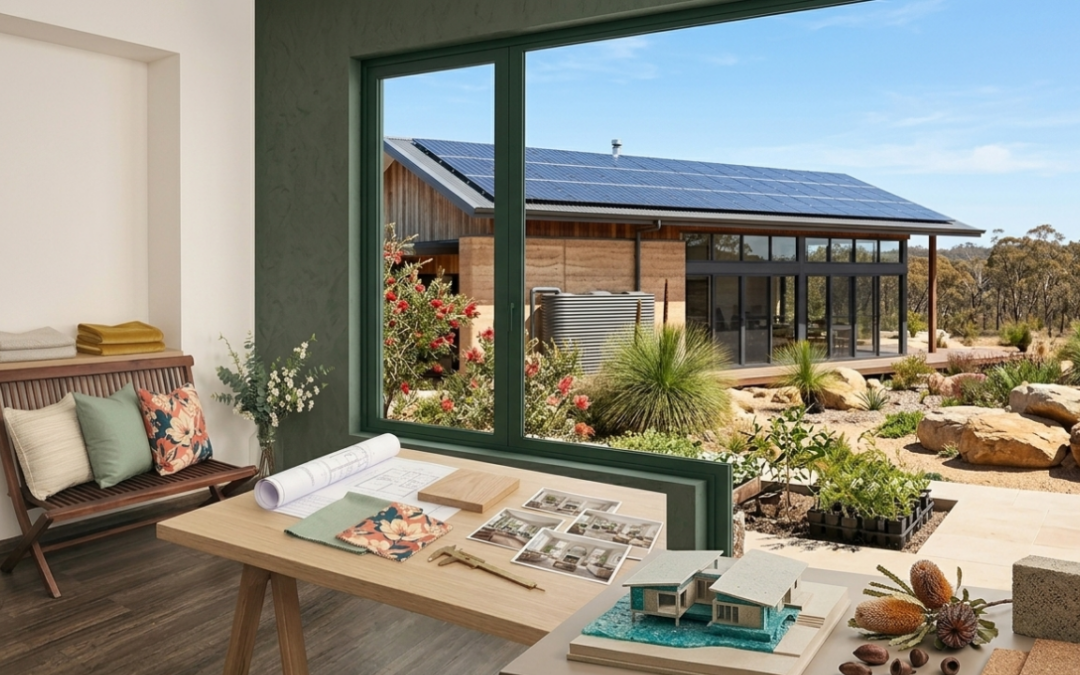
Sustainability is no longer just a trend in Australia — it’s becoming a standard expectation for homeowners.
With rising energy costs, changing climate conditions, and increasing awareness around environmental impact, more people are now thinking beyond just design and focusing on how their home performs over time.
But what does sustainable home building actually mean? And how do you choose the right approach without making the process complicated? This guide breaks it down in a simple and practical way.
What is Sustainable Home Building?
Sustainable home building is about creating homes that are designed to:
- Reduce energy consumption
- Use resources efficiently
- Provide long-term comfort and durability
It’s not just about adding solar panels or using eco-friendly materials. It’s about designing a home that works smarter from the ground up.
Why Sustainability Matters in Australia
Australia’s climate plays a big role in how homes are designed.
Hot summers, changing weather patterns, and increasing utility costs have made it essential for homes to be:
- Energy efficient
- Well insulated
- Designed for natural airflow
A well-built sustainable home not only reduces environmental impact but also lowers long-term living costs.
Key Elements of a Sustainable Home
1. Smart Orientation and Design
One of the most important factors is how your home is positioned on the block.
A well-oriented home:
- Maximises natural light
- Reduces the need for artificial heating and cooling
- Improves overall comfort
Custom home builders in Australia often focus on this during the planning stage to ensure better performance throughout the year.
2. Energy Efficiency
Energy efficiency is at the core of sustainability.
This includes:
- High-quality insulation
- Energy-efficient windows and glazing
- Smart lighting and appliances
These features help reduce electricity usage and create a more comfortable indoor environment.
3. Sustainable Materials
The materials used in construction also make a big difference.
Modern sustainable homes use:
- Durable and low-impact materials
- Responsibly sourced timber
- Long-lasting finishes
This not only reduces environmental impact but also minimises maintenance in the long run.
4. Water Management
Water efficiency is another key aspect, especially in Australia.
Sustainable homes often include:
- Rainwater harvesting systems
- Water-efficient fixtures
- Smart landscaping design
These features help reduce water waste and improve overall efficiency.
5. Indoor Comfort and Air Quality
A sustainable home is not just about saving energy — it’s also about living better.
Good design ensures:
- Proper ventilation
- Natural airflow
- Healthier indoor air quality
This creates a more comfortable and healthier living space for homeowners.
The Role of Custom Home Builders
Sustainability is most effective when it’s planned from the beginning.
Builders who focus on custom homes, such as Granton Homes Australia, often integrate sustainability into the design process rather than adding it later.
This approach allows for:
- Better space planning
- Efficient use of natural light
- Integration of modern technologies
Instead of a one-size-fits-all solution, the home is designed based on the location, lifestyle, and long-term needs of the homeowner.
Common Misconceptions About Sustainable Homes
Many people believe that sustainable homes are:
- Too expensive
- Complicated to build
- Limited in design
In reality, a well-planned sustainable home can actually save money over time through reduced energy and maintenance costs.
It’s more about smart planning than extra spending.
Long-Term Benefits
Choosing a sustainable approach offers several long-term advantages:
- Lower energy and water bills
- Better indoor comfort
- Reduced environmental impact
- Stronger property value over time
As more buyers become aware of sustainability, homes with these features are also becoming more desirable in the market.
Final Thoughts
Sustainable home building in Australia is no longer optional — it’s becoming part of smart home design.
The focus is shifting from short-term savings to long-term value, comfort, and efficiency.
Working with a builder who understands both design and performance can make a significant difference. Builders like Granton Homes are part of this shift, where homes are planned not just for how they look, but for how they function over time.