
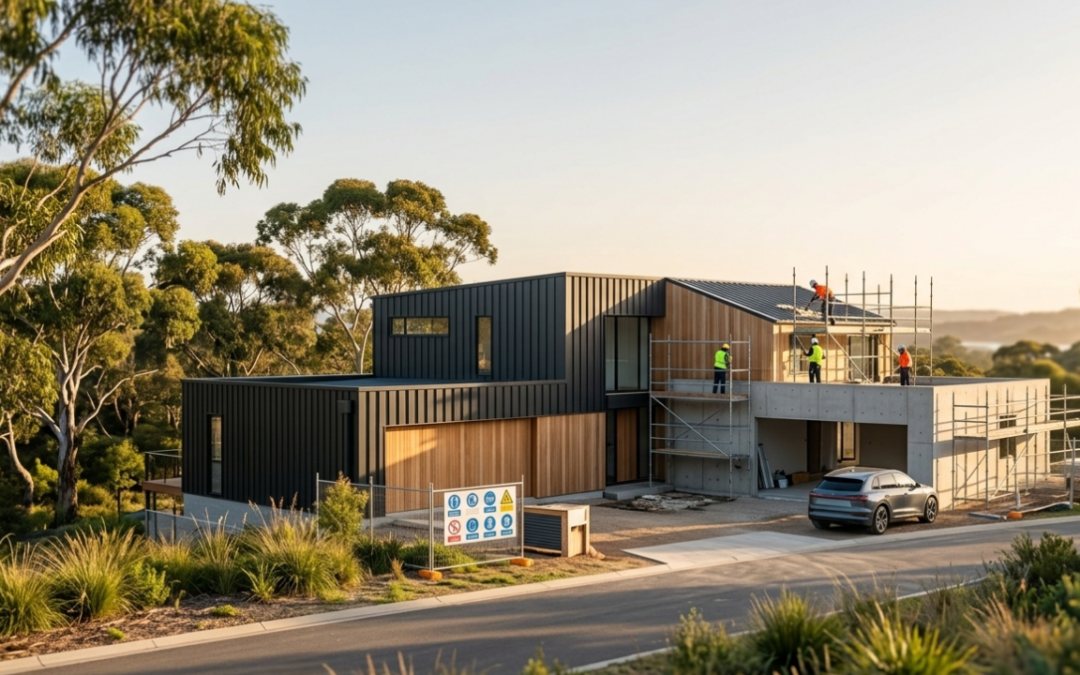
If you’ve been thinking about building a home and find yourself constantly wondering whether now is the right moment or whether you should hold off a little longer — you’re not alone. It’s probably the most common question anyone in this position asks, and honestly, it’s a fair one. The past few years have thrown a lot at the Australian housing market, and it’s reasonable to want to understand where things stand before committing to something this significant.
The honest answer, though, is that there is no universally right time to build. There’s only the right time for you — and figuring that out requires looking at your own situation more than it requires reading market forecasts. That said, understanding the current landscape does help. So let’s get into it.
Where Things Actually Stand in 2026
The construction market in Australia has settled into a more stable rhythm compared to the volatility of the early 2020s, when material shortages and labour constraints were pushing costs and timelines in uncomfortable directions. That pressure has eased considerably. Build costs have stabilised, lead times have improved, and builders are generally in a better position to deliver on what they quote.
Interest rates remain a genuine consideration for many buyers. They’re not where anyone would ideally want them, and some people are sitting on their hands waiting for significant cuts before they commit. That’s an understandable instinct, but it’s worth examining whether it’s actually the right strategy for your situation — or whether waiting is costing you in other ways, like rising land prices or simply another year of not living in the home you want.
Demand for new homes remains solid. People still want to build, and the market is active. What’s changed is that buyers are more considered than they were a few years ago, which is probably a healthy thing.
The Real Case for Building Now
There are genuine reasons why building in the current environment makes sense for a lot of people, and they don’t really have much to do with market timing.
When you build, you get exactly what you want. The layout suits your life, the finishes reflect your taste, and everything from the insulation to the electrical systems is new. You’re not inheriting someone else’s renovation choices or wondering what’s behind the walls. New homes are also built to current energy efficiency standards, which tends to mean lower running costs over time — something that matters more now than it used to.
Builders like Granton Homes continue to attract buyers who want that combination of design flexibility and a structured, guided process. And in a more stable construction environment, you have a better chance of getting accurate quotes and realistic timelines than you would have a couple of years ago.
From a long-term value perspective, a well-located new build in a growing area is still a solid investment. Property doesn’t move in a straight line, but quality homes in good locations have a strong track record of holding and growing their value over time.
The Challenges Worth Being Honest About
Building a home is not a small undertaking, and pretending otherwise doesn’t help anyone. Even with costs more stable than they were, it’s still a major financial commitment, and the gap between a base price and a fully finished home can be larger than people expect when they first start looking.
Construction also takes time. Delays happen — weather, approvals, supply chain hiccups — and if your timeline has no flexibility built into it, those delays will feel worse than they need to. Going in with realistic expectations makes the whole experience significantly less stressful.
And then there’s the decision-making side of things. Building requires you to make a lot of choices, many of them before you’ve fully developed a feel for what you actually want. That process can be tiring, and it’s worth knowing upfront so it doesn’t catch you off guard six months in.
Should You Wait?
Some people are genuinely better off waiting, and there’s no shame in recognising that. If your financial position isn’t quite where it needs to be, if you’re expecting a significant life change in the near term, or if you’re simply not ready for the level of commitment building requires — then waiting is the right call. Taking on a major build before you’re ready tends to make everything harder.
But waiting purely in the hope that interest rates will drop substantially, or that land prices will fall, is a riskier strategy than it might seem. Rates may come down gradually, but land in well-located areas rarely gets cheaper over time. For every month you wait for conditions to improve, there’s a cost — sometimes financial, sometimes just the cost of not yet living in the home you want.
The Questions That Actually Matter
Rather than asking “is the market right?”, it’s more useful to ask yourself a few things that are actually within your control.
Are you genuinely financially prepared — not just for the build cost, but for the extras, the unexpected variations, and the carrying costs while construction is underway? Do you have a clear picture of what you want, or are you still at the stage where you’d be making major decisions under pressure? Is your income and overall situation stable enough that you can commit to something that will take the better part of a year or more to complete?
If the honest answers to those questions are yes, then the current market is unlikely to be the thing that stops you from making a good decision. If the answers are uncertain, that’s worth addressing before you sign anything.
Build or Buy — What Makes Sense Right Now?
In the current environment, both options have merit, and the right choice depends entirely on your priorities. Buying an existing home gives you speed and certainty — you can see exactly what you’re getting and be living there within weeks of settlement. Building gives you something tailored to how you actually want to live, built to modern standards, with nothing inherited from a previous owner.
For people who have a clear vision of what they want, who aren’t in a rush, and who’ve done the financial groundwork properly — building remains a very compelling option in 2026. The conditions aren’t perfect, but they rarely are. What matters more is whether you are ready.
The Bottom Line
Stop trying to time the market perfectly. It’s a distraction from the questions that actually determine whether this goes well for you — your budget, your readiness, your long-term plans, and how clearly you understand what you’re committing to.
If you’re in a stable position financially, you’ve done your research, and you have a genuine plan — then there’s a strong argument for moving forward. The market will always have something uncertain about it. That’s not a reason to wait indefinitely. It’s just the reality of making any significant decision in the real world. Build when you’re ready. That’s the only timing that actually matters.