
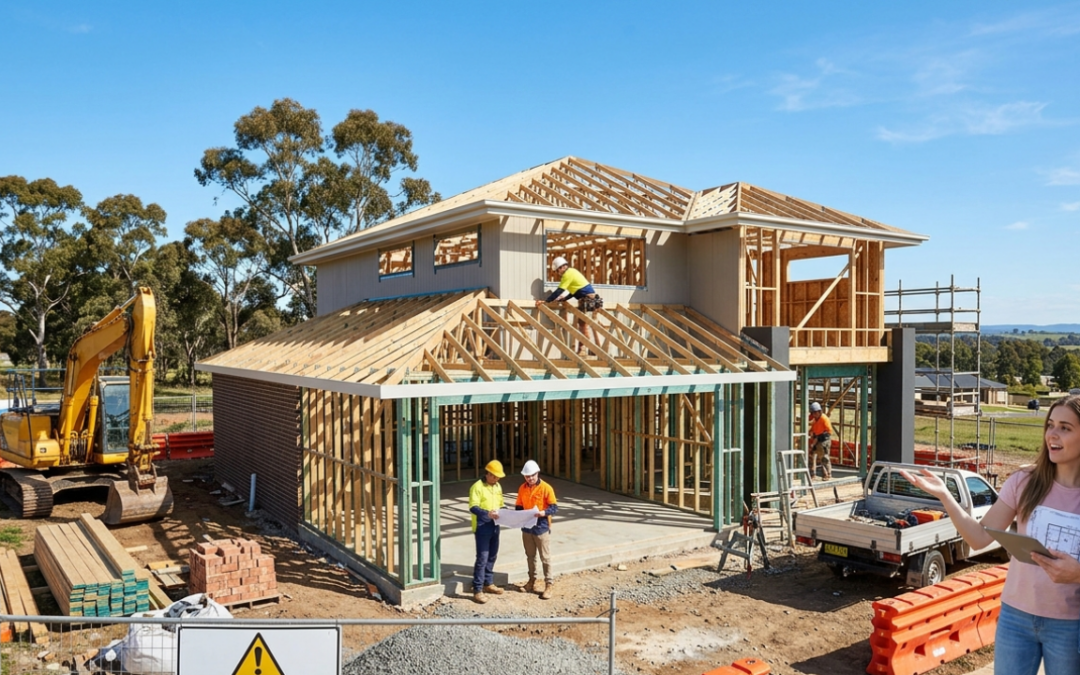
Building your first home is one of those experiences that sits somewhere between genuinely exciting and quietly terrifying. You’re making decisions you’ve never made before, spending more money than you probably ever have, and trusting a process you don’t fully understand yet. That’s a lot to navigate.
The mistakes most first-time builders make aren’t the result of carelessness. They happen because nobody told them what to watch out for. So consider this that conversation — the one you wish someone had with you before you started.
Falling for the Base Price
This is probably the most common trap, and it catches people at every income level. A builder advertises a home from a certain price, it fits your budget, and you feel a wave of relief. But that base price is really just a starting point. It’s the minimum version of the home, and the minimum version rarely resembles what you actually want to live in.
Site costs alone — which vary depending on your land’s slope, soil type, and access — can add tens of thousands to the final figure. Then there are upgrades, finishing choices, landscaping, fencing, and all the other things that aren’t in the brochure but are very much part of having a complete, liveable home.
Before you get attached to any quote, ask for a full cost breakdown that includes everything. A builder worth working with will give you that honestly. One that resists the question is telling you something important.
Assuming the Display Home Is What You’re Getting
Display homes are designed to impress. That’s their entire purpose. The stone benchtops, the wide-plank flooring, the feature lighting, the premium tapware — almost none of it is standard. It’s there to show you what’s possible, not what’s included.
Many first-time builders walk through a display home, fall in love with it, sign a contract based on that impression, and then slowly realise during the selections process that the version they’re actually getting looks quite different unless they pay for upgrades.
Ask for the inclusions list early. Read it carefully. Go through the display home with that list in hand and ask specifically which elements are standard and which are extras. It’s not a fun conversation, but it’s a necessary one.
Not Checking the Land Properly
Your block of land is not just the place where your house will sit — it’s an active part of what your build will cost. Land that slopes, has poor soil conditions, drainage issues, or difficult access can require significant preparation work before a slab is even poured, and that work costs money that won’t appear in your initial quote.
Get a proper site assessment done before you finalise your budget. If you’ve already purchased the land, get it done before you sign a building contract. The information it gives you is far too important to skip, and discovering site issues halfway through the process is considerably more stressful than discovering them before you begin.
Rushing Through Design Decisions
The design stage feels exciting, and there’s often a quiet pressure — sometimes from the builder’s process, sometimes from your own enthusiasm — to get through it quickly and get started. Resist that.
The decisions you make during design will shape how you live in this home every day for years. A layout that looks fine on paper can feel awkward in practice. A room that seemed generous on the floor plan can feel cramped once it’s built. Storage that seemed adequate becomes insufficient the moment you actually move in.
Take the time to sit with the plans. Walk through them mentally at different times of day, doing different things. Think about where the sun comes in, how traffic flows through the house, whether the kitchen actually works for how you cook. Ask for changes if something doesn’t feel right, because making changes on paper is free. Making them once walls are up is not.
Designing Only for the Life You Have Now
It’s natural to design around your current circumstances, but a home built today will likely need to serve you for a long time. Families grow. Work arrangements change. Parents age and sometimes move in. Hobbies evolve and need space.
You don’t need to design for every possible future — that way lies analysis paralysis. But thinking ahead even five years can help you make smarter choices now. An extra bedroom that doubles as a study. A flexible living space that can be reconfigured. A garage that’s actually big enough to be useful. These things don’t always cost much more, but they add meaningful value over time.
Underestimating How Much Communication Matters
The relationship between a builder and a first-time client works best when there’s clear, consistent communication on both sides. When that breaks down — when updates stop coming, questions go unanswered, or you’re not sure what’s happening on site — anxiety fills the gap.
Pay attention to how a builder communicates during the sales process. If they’re responsive, clear, and honest before you’ve signed anything, that’s usually a good sign. If you’re already having to chase people for basic information, that pattern tends to continue.
Once the build is underway, stay engaged. You don’t need to be on-site every day, but regular check-ins, attending key stage inspections, and maintaining an open line of communication will catch problems earlier and keep the process on track.
Expecting It All to Go Smoothly
Construction projects almost never go exactly to plan, and first-time builders who expect otherwise tend to find the experience far more stressful than it needs to be. Weather causes delays. Materials get backordered. Trades run behind schedule. Approvals take longer than anyone predicted.
None of this means something has gone wrong. It’s just the reality of building. The people who come through the process feeling okay about it are generally those who went in knowing that some flexibility would be required — in their timeline, their living arrangements, and their patience.
Doing Just Enough Research
Building a home is one of the largest financial decisions most people ever make, and yet some buyers spend less time researching it than they would a car purchase. A few Google searches, a couple of display home visits, and a quote that looks good — and they’re ready to sign.
That’s rarely enough. Talk to people who’ve built recently. Read reviews carefully and look for patterns rather than outliers. Ask builders direct questions about their process, their timelines, and what happens when things don’t go according to plan. Compare multiple quotes on a like-for-like basis. The more informed you are going in, the fewer unpleasant surprises you’ll encounter on the way out.
One Last Thing
Nobody builds their first home perfectly. There will be moments of uncertainty, decisions you second-guess, and things you’d do differently with the benefit of hindsight. That’s normal and it’s okay.
What separates the people who look back on the experience positively from those who don’t is usually preparation — understanding what to expect, asking the right questions early, and going in with realistic expectations rather than an idealised version of how it’s all going to unfold. Build carefully, stay informed, and don’t let excitement rush you past the parts that actually matter.