
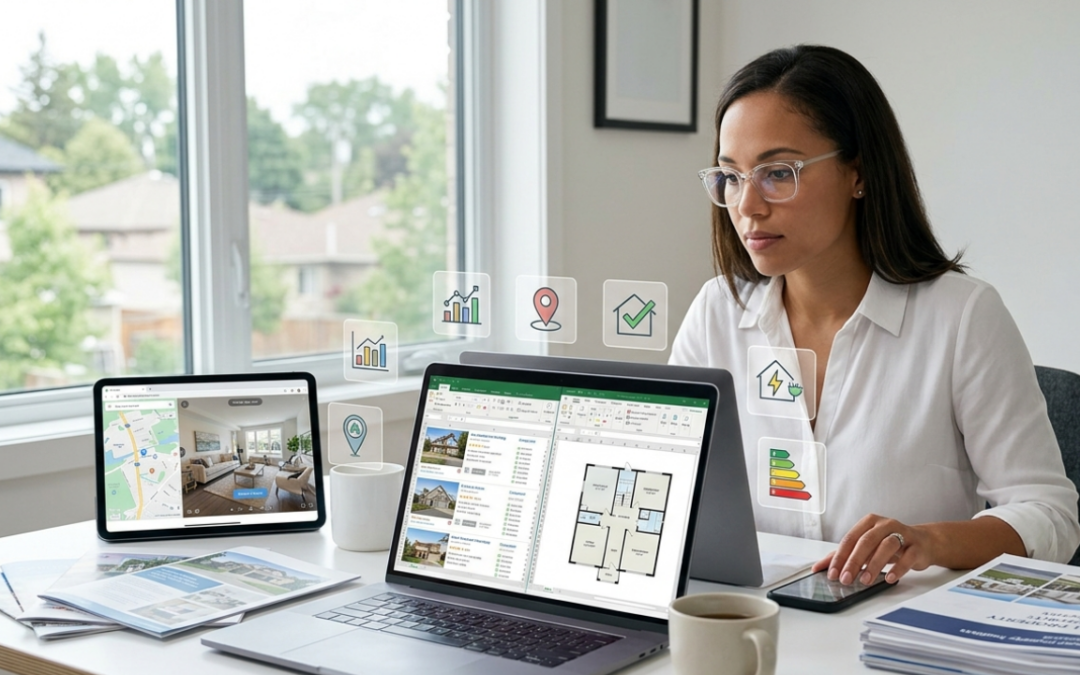
Buying or building a home is not like most other decisions people make in their lives. It is not something that gets revisited every couple of years. For most Australians, it is a once or twice in a lifetime commitment — one that will shape daily life, family routines, and financial wellbeing for a very long time. The weight of that reality is something more buyers are sitting with seriously before they move forward.
And that is exactly why the amount of time and thought people are putting into the research phase has grown so noticeably. A few extra weeks of careful research at the beginning of the process can prevent years of living with decisions that did not quite serve the household as well as they should have. Most experienced homeowners would tell you that time invested in research before committing is rarely wasted.
Research Changes What People Think They Want
There is an interesting pattern that plays out for almost every buyer who takes the research process seriously. What they think they want at the beginning is often quite different from what they end up prioritising by the time they are ready to make a decision.
The early wishlist tends to be driven by the exciting, visual stuff. A large and impressive kitchen. Extra bedrooms. Luxury upgrades that look stunning in photos. Modern interiors that match the aesthetic of the homes they have been saving on social media. These are the things that grab attention first — and understandably so.
But as research deepens and buyers spend more time genuinely comparing different homes and layouts, the priorities tend to quietly reorganise themselves. Practicality starts mattering more. Everyday comfort moves up the list. Storage — genuinely adequate, well-placed storage — becomes a serious consideration rather than an afterthought. Functionality and how the home actually operates day to day starts to carry more weight than how it looks in a brochure.
Research is what creates the space for that shift to happen. And buyers who allow themselves to go through it tend to end up in homes that serve them far better over the long run.
No Two Families Need the Same Thing
One of the most useful things thorough research reveals is just how personal the home building decision really is. There is no universal answer to what makes a good home — because every household is different in terms of how it lives, what it values, and what it needs a home to do.
Some families place enormous value on open living spaces that bring everyone together easily. Others prioritise a quieter, more separated layout that gives different family members their own space. Some households need a dedicated home office because remote work is a daily reality. Others care most about low maintenance because time and energy are already stretched thin. For some, a generous outdoor area is essential. For others, it barely factors into the decision at all.
The more research buyers do across a genuine range of options, the clearer it becomes what their specific household actually needs — rather than what sounds good in theory or looks impressive in a display home. That clarity is enormously valuable when the time comes to make a real decision.
Why Visiting Homes in Person Cannot Be Replaced
Online research has become a central part of how buyers explore the home building market. Property listings, virtual tours, floor plan libraries, builder comparison sites, forums where buyers share experiences — the amount of information available is remarkable. And a good deal of it is genuinely useful for building knowledge and narrowing down options.
But it has real limitations that only become apparent once buyers start visiting homes in person. And those limitations matter.
Photos are composed to show spaces at their most appealing. They capture a fixed moment in ideal conditions — but they cannot convey how natural light actually moves through a home at different times of day, or how a room’s proportions feel when you are standing in it rather than looking at it from a perfect angle. Floor plans show dimensions and relationships between rooms, but they cannot communicate whether a layout flows naturally or creates small awkward friction points that you only notice when you are actually moving through the space.
The atmosphere of a home — that quality of how settled and comfortable a place feels to simply be in — is something that cannot be photographed or described. It has to be experienced. And many buyers find that walking through a home in person resets their priorities quite significantly. Features that seemed essential from online research start to feel less critical once experienced in real life. Details they had barely considered become suddenly important.
Display homes remain one of the most valuable parts of the process for exactly this reason. Real-world experience provides insights that no amount of screen time can replicate.
Financial Thinking Needs to Happen Alongside Design Thinking
One of the more common patterns in housing regret involves buyers who fell deeply in love with a design and moved forward without spending enough time honestly working through the financial side of the decision.
A home that looks beautiful and feels exciting during the inspection can start to feel quite different when the repayments are stretching the budget further than is comfortable every month. When an unexpected maintenance cost arrives and there is no financial buffer to handle it. When the ongoing running costs of a larger or more elaborate home start adding up in ways that were not properly anticipated.
Smart buyers treat financial planning as just as important as design planning — not a separate consideration to deal with later, but something that runs alongside every stage of the research process. What will repayments actually feel like over five or ten years, not just right now? What are the realistic ongoing maintenance costs for a home of this size and complexity? What financial flexibility remains after the home commitment is made, and is that enough to feel comfortable?
Answering these questions honestly before committing is one of the most valuable things any buyer can do. A home that fits the budget comfortably feels genuinely better to live in than one that stretches it — regardless of how impressive it looks.
The Features That Matter Most in the Long Run
Luxury upgrades have a way of capturing attention during the research and design phase that does not always translate into long-term satisfaction once people are actually living in their homes. The feature that seemed like a must-have during the display home visit can fade into the background fairly quickly once daily routines take over.
What tends to hold its value — and often appreciate in the owner’s mind over time — are the practical features that improve everyday life in quiet but consistent ways. Additional storage that keeps the home feeling organised without constant effort. A functional kitchen layout that makes meal preparation feel easy rather than cramped. Flexible living spaces that can adapt to what the household needs at different times. An efficient floor plan that makes movement through the home feel natural and effortless.
These are the features people use every day, in every season, across every year of living in their home. And they consistently contribute more to genuine long-term satisfaction than expensive extras that look impressive but are rarely engaged with in real daily life.
Planning for the Future, Not Just the Present
Something that distinguishes the buyers who end up most satisfied with their homes is how far ahead they were thinking when they made their decision. It is easy to design a home around where life is right now. It takes more effort — and more honest reflection — to design a home that will keep working well as life evolves.
Will the family grow, and if so, does the home have the right configuration to accommodate that without requiring expensive changes? Are there work-from-home needs that are likely to become more significant rather than less? Will lifestyle priorities shift in ways that change how the home is used? Does the design offer enough flexibility to adapt to those changes without the home becoming limiting or frustrating?
These questions take more time to think through properly. But the answers they generate lead to homes that age much better — homes that remain genuinely right for the people living in them across different phases of life rather than fitting perfectly for a moment and then starting to feel constraining.
Why Patience Genuinely Pays Off
The pressure to make decisions quickly is real and comes from many directions during the home building process. Promotions with deadlines. Limited land availability. The sense that opportunities might disappear if you do not act fast. All of that creates urgency that is not always in the buyer’s best interest.
Buyers who are able to resist that pressure and give themselves the time they need to research properly, compare options carefully, and think clearly about what they actually want consistently feel more confident in their decisions. They are not wondering whether they missed something important or whether they were rushed into something before they were genuinely ready.
Patience during the research phase is not a sign of indecision. It is a sign of taking something seriously that deserves to be taken seriously. And the confidence that comes from making a well-considered decision is something that pays dividends every day of living in the home that resulted from it.
How Today’s Buyers Are Different
Australian homebuyers today are genuinely more informed than previous generations were at the same stage of the process. They have access to more information, more tools for comparison, and more collective wisdom from others who have been through the experience. And they are using all of it.
The result is a buyer who asks better questions, thinks more carefully about long-term implications, and makes decisions that are more grounded in genuine personal needs rather than impressions and assumptions. That is good for individual buyers — and it is producing a housing market that rewards quality of design and genuine liveability more than it used to.
Final Thought
The best home decisions are almost never the fastest ones. They are the ones that came from careful thinking, honest reflection, and a genuine willingness to take the time needed to understand what really matters.
Research is what makes that possible. It is what turns an exciting but overwhelming process into one that feels manageable and genuinely informed. It is what separates the buyers who move into their homes feeling confident and satisfied from those who find themselves wishing they had thought certain things through more carefully.
A well-researched home decision is one of the smartest investments any buyer can make — not just financially, but in terms of the quality of daily life that follows. Because a home chosen with genuine knowledge, careful thought, and honest self-awareness about what your life actually needs is a home that keeps delivering for years.
That is what Granton Homes is here to support — helping buyers move through the research and decision-making process with the information, guidance, and genuine understanding they need to build a home that truly fits their life.
Wish you happiness