
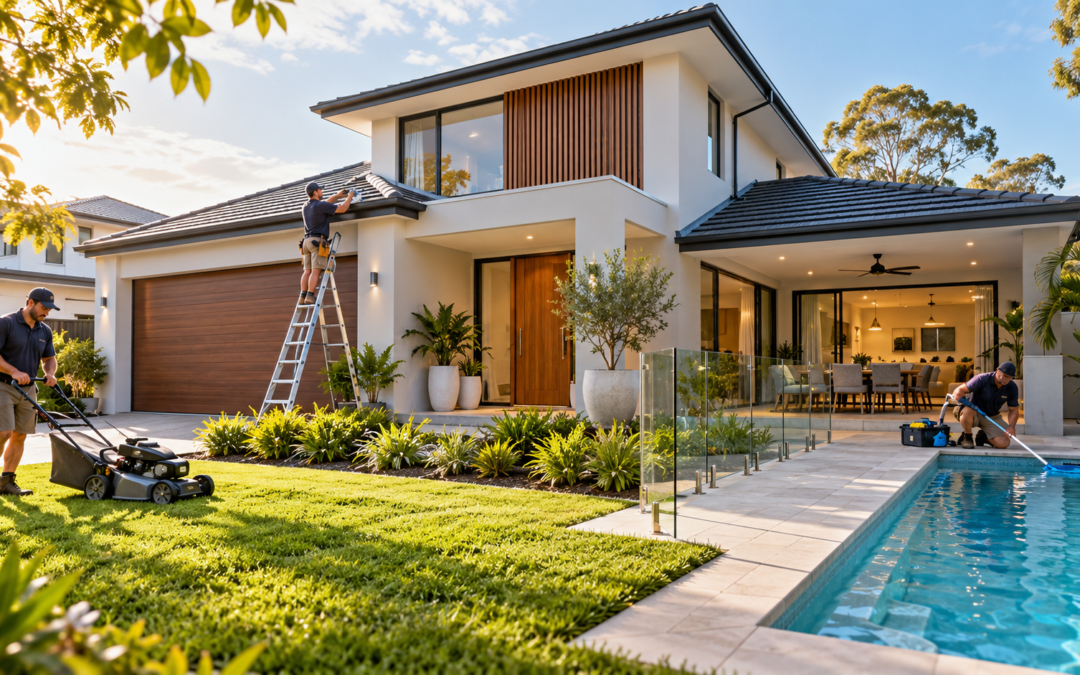
When you plan a new home, what do you think about first? Most people say the price, the kitchen, the number of bedrooms or the overall look.
Those things matter. But there’s one thing a lot of buyers only think about after they’ve moved in: how much time and money the house will need to stay in good shape.
A home looks great on handover day. Five years later, it’s a different story. Some materials hold up well to daily life, and some don’t. Some gardens are easy to look after, and some turn into a weekend job. Let’s go through what’s worth thinking about before you build.
A Beautiful Home Isn’t Always an Easy One
Picture two homes that look equally good. The first has finishes that wipe clean, storage that makes sense and a simple outdoor layout. The second has materials and features that need regular attention.
After five years of living there, most people would be happier in the first one. Of course, it depends on your lifestyle, your budget and how much time you want to spend on upkeep.
This doesn’t mean you should pick the cheapest materials or skip features you love. It just means you should know what each choice will ask of you later. The best design is usually the one that balances good looks with everyday practicality.
Your Material Choices Matter
Every material needs a different kind of care. Some surfaces show marks easily. Some finishes only work with certain cleaning products. Outdoor materials have to handle rain, sun, moisture and changes in temperature.
A material can look perfect in a display home and still be a poor fit for your house. So don’t stop at “does it look good?” Ask how it’s cleaned, how it’s protected and how long it’s likely to last.
Before you finalise your selections, check the manufacturer’s care instructions, the expected lifespan and whether the material suits the spot where you plan to use it. A bit of research now can save you a lot of hassle later.
Don’t Forget the Outdoor Areas
A good outdoor space makes a home more enjoyable, but it also comes with work. Lawns, garden beds, paving, covered entertaining areas and drainage all need looking after.
Before you decide, think about a few simple things. Does the garden suit the time you actually have? Is the layout easy to keep clean? Will water drain away properly in heavy rain?
In Australia, the local climate and the conditions on your block make a big difference. A good outdoor design should be built around your property’s needs, not just around how it looks in photos. You can keep the outdoor space you want and still cut down on unnecessary upkeep.
Small Problems Cost More When Planning Is Poor
Many maintenance problems are easier to avoid if you think about them early. Easy access to equipment, proper drainage, good ventilation and the right materials all affect how well a home performs over time.
It helps to ask a few questions before construction starts. Can you easily reach the areas that need regular attention? Are the maintenance requirements explained clearly? Do you know which products or finishes need regular care?
It’s much better to raise these now than to find out when something needs repairing. No design can remove every repair, but you can make informed choices and understand what comes with owning a home.
Think About Maintenance Before You Pick a Floor Plan
A floor plan is more than rooms and measurements. It affects how easily you clean, store things and look after the house.
A practical layout can cut down on awkward corners that are hard to reach. It should have enough space to store cleaning equipment, and the laundry and utility areas should be in convenient spots. The outdoor layout should also be manageable for your household.
Sometimes the best design decision isn’t adding one more feature. It’s making the features you already need work better.
Where Granton Homes Fits In
If you’re looking at home designs with Granton Homes, add maintenance to your list of questions. Ask which materials are included, what care they need and whether other options are available. Get clear on the contract scope, the inclusions and any extra costs before you decide. You can also ask how the design suits your site and local conditions.
Comparing builders on these practical points, and not just on display-home looks, will help you see which one suits you best. The right choice depends on your budget, your preferences, your location and the terms on offer, so take your time comparing.
Can Spending More Now Save You Work Later?
Not every premium upgrade is worth the money, and not every cheaper option is a bad choice. What matters is what you actually get for the price.
Check whether the material suits the way you use the space, whether the upkeep is manageable and whether the upgrade really matters to you. Don’t assume expensive means better. Compare your options and look at their long-term needs.
A sensible balance between upfront cost, durability and maintenance is often worth more than picking finishes on looks alone.
What Will Matter Five Years After You Move In?
You’ll probably remember how exciting it was to pick your kitchen colours or flooring. But five years on, you may care about different things: a surface that’s easy to clean, an outdoor area that doesn’t need constant work, a layout that makes chores simpler, and materials whose upkeep fits your routine.
You might not notice these details in a display home, but they become a big part of everyday life once you own the place.
Final Thought
When you choose a new home, don’t only think about how it looks on completion day. Think about how much effort it will take to keep it looking good and working well for years to come.
The smartest home is often the one that gives you more time to enjoy living in it, and less time worrying about maintaining it.