
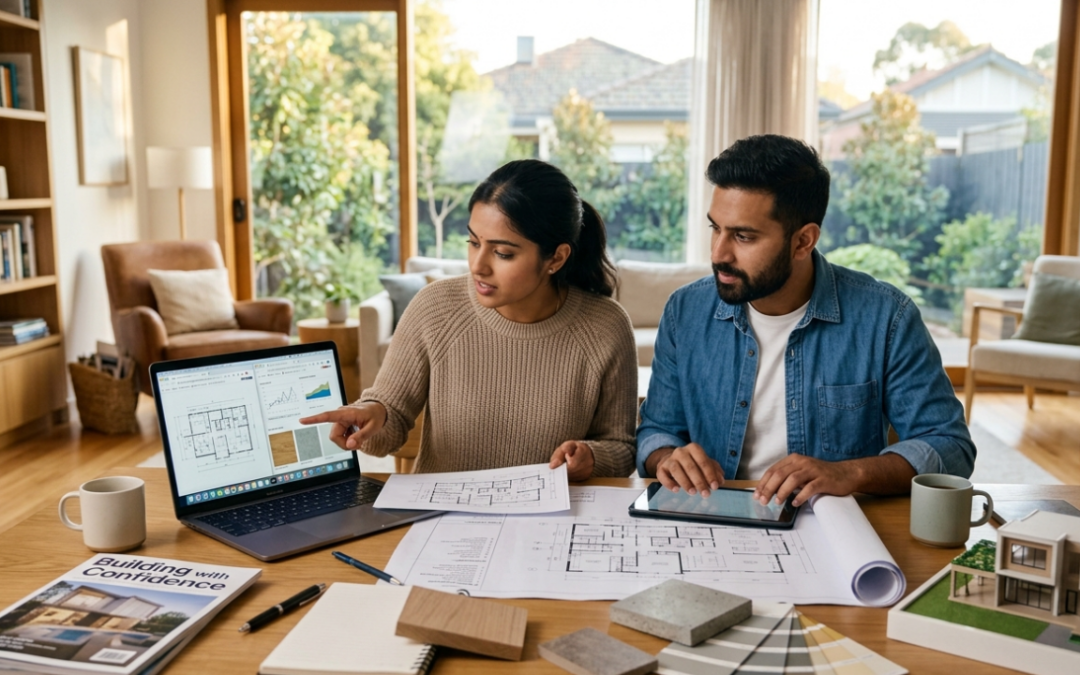
Building a home is not a decision most people take lightly. It is one of the biggest financial and personal commitments a person can make — and in 2026, Australians are taking that seriously more than ever before.
Where people once moved fairly quickly from the idea stage to actually signing with a builder, many are now spending months in the research phase. Some are taking well over a year before they feel ready to move forward. And when you look at what is driving that change, it is not hard to understand why.
There Is More Information Available Than Ever Before
Not too long ago, researching a home build mostly meant visiting a few display homes, asking friends and family for recommendations, and having a conversation or two with local builders. That was largely how people gathered the information they needed.
Today, it is a completely different experience. There are walkthrough videos on YouTube, detailed forums where builders are reviewed and discussed at length, hundreds of floor plans available to compare online, social media pages full of finished home inspiration, and review platforms where past clients share their experiences in detail.
At first, having access to all of that information feels like a great advantage. And in many ways it is. But after spending weeks or months consuming it all, a lot of people find themselves more confused than when they started — not less.
Financial Pressure Is Making People More Cautious
Another big reason people are slowing down is money. Building a home in Australia right now is expensive, and most people are well aware of that going in.
Construction costs have risen significantly. Repayments on larger loans stretch budgets in ways that can feel uncomfortable. Upgrade costs add up faster than expected. And the pressure of committing to something that will affect finances for decades makes people want to be very sure before they sign anything.
Rather than rushing into a decision they might regret, many Australians are choosing to take their time and feel genuinely confident before moving forward. That caution is completely understandable.
Nobody Wants to Make a Decision They Will Regret
There is also a very natural fear that comes with making a purchase this large. Because once a home is built, you are living with those decisions for a very long time.
People find themselves going over questions again and again. Is this the right layout for how we actually live? Will this still work for us in ten years if our circumstances change? Are we spending too much on upgrades that might not matter in the long run? Is there something important we have not thought of yet?
That kind of thinking causes people to pause, revisit, and research further — sometimes repeatedly. And while it can feel frustrating in the moment, it often leads to better outcomes in the end.
Practicality Is Winning Over Appearance
Something else that is clearly shifting is what people actually care about when they look at homes. The focus on impressive aesthetics and luxury finishes that dominated conversations a few years ago is giving way to something more grounded.
Buyers are asking about storage — how much is there and where is it? They are paying attention to natural light and how it moves through the home throughout the day. They are thinking about room flow and whether the layout actually makes sense for daily life. Energy efficiency and running costs are becoming part of the conversation much earlier than they used to be. It is a more practical mindset — and it is becoming the norm rather than the exception.
Seeing a Home in Person Changes Everything
One thing many people discover during their research is that photos and floor plans only tell part of the story. A layout that looks spacious and impressive in an online rendering can feel quite different once you are actually standing inside it.
Some homes that photograph beautifully feel darker or smaller in person than expected. Rooms that looked generous on a floor plan feel tighter once furniture is considered. On the other hand, simpler homes that did not seem particularly exciting online often feel surprisingly comfortable and liveable during a walk-through.
This is why visiting display homes in person has become such an important step for serious buyers. There is simply no substitute for experiencing a space with your own eyes.
Social Media Has Set Expectations That Are Not Always Realistic
Online content has played a significant role in shaping how people think about homes — and not always in a helpful way. Perfectly styled interiors, high-end upgrades in every room, and homes that look like they belong in a magazine have become the standard reference point for a lot of buyers.
But more people are starting to question that standard. They are recognising that what gets shared online is heavily curated, and that real life looks very different from a staged photoshoot.
The buyers who step back from social media expectations and focus on what will genuinely work for their life tend to make far better decisions — and feel much less pressure throughout the process.
The Question People Are Now Asking Themselves
There has been a quiet but meaningful shift in the question that drives home-building decisions. It used to be — will this home look impressive? Will it make a statement?
Now, for a growing number of Australians, the question is — will this home actually make daily life easier and more comfortable? Will I still feel good living here in five or ten years? That is a much more useful question to build a decision around.
Mistakes People Are Working Hard to Avoid
Buyers today are more aware of the common pitfalls than previous generations were. They are actively trying not to rush decisions just because they feel impatient or excited. They are being careful not to overstretch their budget for upgrades that sound appealing but may not add real value. They are thinking about long-term comfort and functionality rather than just what looks good right now. That kind of self-awareness tends to lead to outcomes people feel genuinely happy with.
What Thoughtful Buyers Are Doing Differently
The approach that seems to be working well for more and more Australians involves slowing things down deliberately. Researching carefully over time rather than trying to absorb everything at once. Comparing floor plans with real life in mind rather than just on paper. Visiting homes in person before forming strong opinions. And keeping expectations realistic throughout the process. It is a more measured, patient approach — and it consistently leads to better long-term decisions.
Final Thought
Building a home in 2026 involves more complexity than it did even a few years ago. Financial pressures are real, information is abundant but sometimes overwhelming, and priorities are shifting in ways that require more careful thought.
Taking extra time to research and reflect before committing is not a sign of overthinking. It is a sign of taking a serious decision seriously.
Because when it comes to something as significant as building a home, the time you invest in getting clear before you start is almost always worth it in the end. The right home — built with the right builder and the right mindset — is worth the patience it takes to get there.
That is something the team at Granton Homes genuinely believes in. Taking the time to understand what each client actually needs, and helping them build a home that works for their real life — not just one that looks good on a brochure.