
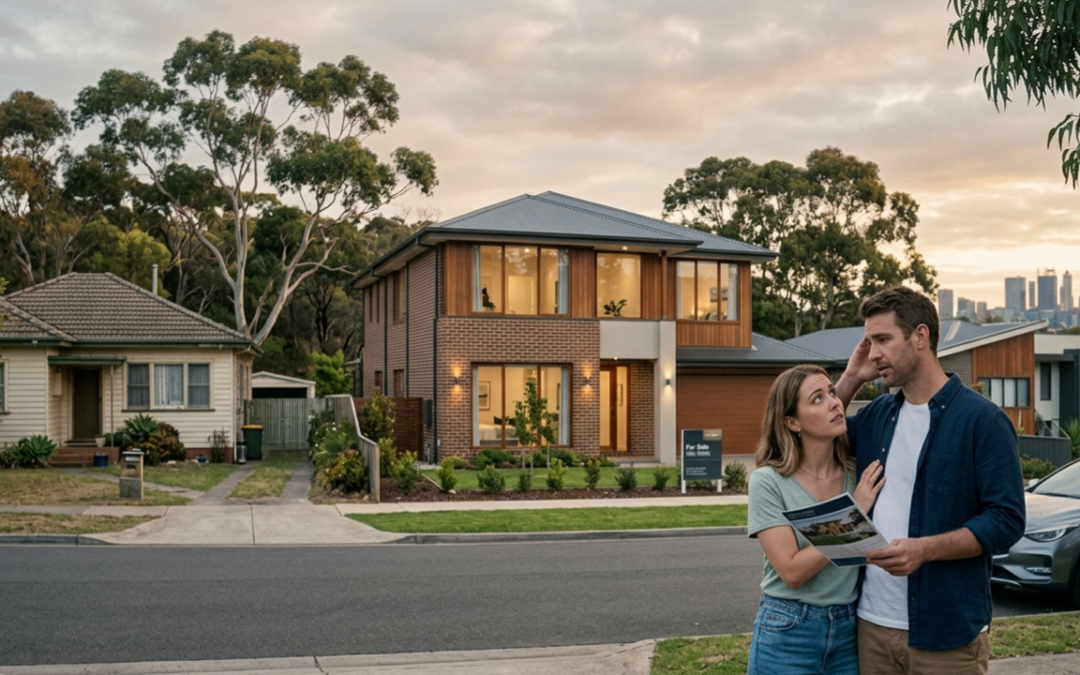
Not too long ago, upgrading to a bigger or newer home felt like the obvious next step for many Australians. More space, a fresher design, newer features — it all seemed like a natural part of moving forward in life.
But in 2026, something has shifted. A lot of homeowners are pausing, taking a breath, and thinking much more carefully before making that move. And honestly, it makes a lot of sense why.
Upgrading Costs a Lot More Than It Used To
The most straightforward reason people are hesitating is cost. Upgrading a home is no longer just about paying a higher purchase price.
By the time you factor in higher mortgage repayments, interest rates, stamp duty, moving expenses, new furniture, ongoing maintenance, and the general rise in everyday living costs — the total financial jump becomes quite significant. Many homeowners sit down and do the numbers, and what seemed like an exciting next step suddenly looks a lot more daunting.
People Are Asking Different Questions Now
A few years ago, the main question was simple — do I want a bigger house? Today, people are digging much deeper before making any decisions.
They are asking things like: Will this actually make my daily life better? Can I genuinely afford the long-term costs without feeling stretched? Am I going to use all that extra space, or will half the rooms sit empty? Is the stress of moving and managing a larger home really worth it? These are more grounded, practical questions — and they are leading to more grounded, practical decisions.
Bigger Does Not Always Mean Better
There is a certain appeal to a large home. It looks impressive, it feels like an achievement, and the extra space seems exciting at first.
But a lot of people who have gone through that experience will tell you the reality can feel quite different. Extra rooms that never get used. More cleaning, more upkeep, higher energy bills. Larger homes come with larger responsibilities, and that is something many buyers do not fully consider until they are already living in one. Because of this, practicality is quietly becoming more important than size.
Lifestyle Is Starting to Matter More Than Square Metres
Something else that is changing is what people actually value in a home. More Australians are placing greater importance on location, how convenient the area is for daily life, how long the commute to work takes, and whether the home genuinely supports their routine.
A well-located, comfortable home that fits your lifestyle can bring more day-to-day satisfaction than a larger property that creates more stress than joy.
Comfort and Simplicity Are Being Appreciated More
There is also a growing realisation that comfort has very little to do with luxury. A home that is well-organised, easy to maintain, functional, and calm to live in can feel far more enjoyable than an oversized property filled with features you rarely use.
People are starting to appreciate that feeling settled and comfortable in a space matters more than how impressive it looks from the outside.
Social Media’s Grip Is Starting to Loosen
For years, social media painted a very specific picture of what a successful home looked like. Big open spaces, high-end interiors, endless upgrades. And a lot of people chased that image without stopping to question whether it actually suited their real life.
That is slowly changing. More people are becoming aware that what gets shared online is a highlight reel — it rarely shows the financial pressure behind those beautiful kitchens, the stress of maintaining large properties, or the long-term costs that come with expensive upgrades.
As a result, more buyers are focusing on what works for their actual life rather than what looks good on a screen.
Financial Peace of Mind Is Becoming a Priority
Another major shift happening right now is that people are valuing stability over ambition. Rather than pushing their budget to the absolute limit to secure the biggest home they can qualify for, many Australians are choosing manageable repayments, lower financial stress, and a cushion for whatever life might throw at them. That is not settling for less. That is making a smarter, more sustainable decision.
Mistakes People Are Trying to Avoid
Looking at what has changed, it is clear that buyers are becoming more self-aware. They are actively trying to avoid upgrading just for appearances, overstretching financially, choosing size over practicality, or underestimating what future living costs will look like.
These are lessons many previous buyers learned the hard way — and the current generation is paying attention.
What People Are Choosing to Do Instead
Rather than rushing into an upgrade, many homeowners are taking a different approach. Some are renovating and improving their current home instead of moving. Others are simplifying their lifestyle and focusing on what they actually need. Many are just slowing the decision-making process down and giving themselves more time to think clearly.
Final Thought
Upgrading a home in Australia today involves a level of thought and consideration that simply was not required a few years ago. Costs are higher, priorities have changed, and people are more realistic about what a larger home actually means for their day-to-day life.
Sometimes the smartest decision is not chasing more — it is being honest about what genuinely works best for your life, your budget, and your peace of mind. Because at the end of the day, the best home is not the biggest one. It is the one that actually fits the life you are living.
That is something the team at Granton Homes understands well. They work with Australians who want to make thoughtful, well-informed housing decisions — not rushed ones. Whether you are upgrading, building new, or simply exploring your options, having the right builder by your side can make the entire process feel far less overwhelming and a lot more manageable.