
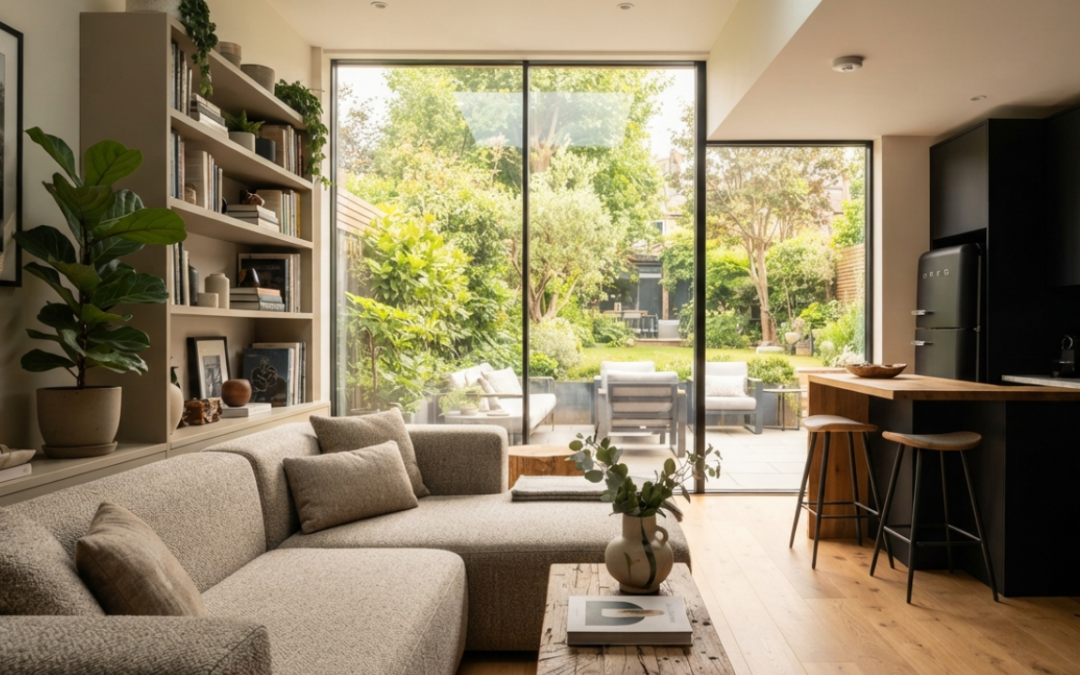
When most people start picturing their dream home, the instinct is to think bigger. More rooms, more space, more of everything. It feels like a reasonable equation — a larger home should naturally mean a better lifestyle, more comfort, more room to live.
But spend time talking to people who have been living in their homes for a few years, and a different picture tends to emerge. The size of the home turns out to matter less than most people expected. What matters more — considerably more — is how well the home has been planned.
A thoughtfully designed home that is the right size for the household living in it can feel more comfortable, more practical, and more genuinely enjoyable every day than a much larger home that was not laid out with real daily life in mind. And that gap between a bigger home and a better-planned one becomes more apparent, not less, the longer you live in either.
The Right Starting Point Is Your Own Life, Not Somebody Else’s Wishlist
Before looking at any floor plan or visiting any display home, the most useful thing a buyer can do is think honestly about how their household actually lives day to day.
Does anyone work from home, and if so, how seriously does dedicated workspace feature in the design? Is the kitchen a central, well-used part of daily household life — the kind of space where the family naturally gathers — or is it primarily functional and separate? Do children need room to play, and where in the home does that naturally happen? Is the household social, with regular guests, or does it tend toward quieter, more self-contained daily rhythms?
These are personal questions with personal answers. And the answers genuinely matter, because they lead to different homes. The household that works from home and values a proper office needs something different from the household that entertains regularly and needs living areas that flow well for groups. Neither is more valid — but trying to design both into the same approach produces a home that serves neither particularly well.
Starting with your own lifestyle rather than with what looked impressive in somebody else’s display home or social media post is the foundation of a decision that will actually hold up across the years of daily living that follow.
A Practical Layout Delivers More Than Extra Rooms
Here is something that many buyers discover after moving in — the number of rooms in a home matters less than how well those rooms relate to each other and how naturally the home supports the household’s daily flow.
A kitchen that connects naturally to the dining and living areas is not just a design preference — it is a practical choice that shapes how the family spends time together every evening. The ease of preparing a meal while staying connected to the rest of what is happening in the home affects the quality of family life in small but consistent ways, multiplied across every ordinary day.
Well-positioned bedrooms that offer the right amount of privacy from the shared living areas mean different household members can use the home simultaneously without constantly interrupting each other. A dedicated study or flexible room that can genuinely serve different purposes as needs change provides a form of adaptability that a rigidly configured spare room cannot match.
These thoughtful design choices — the kind that prioritise how the home actually functions for real people — consistently deliver more genuine daily satisfaction than adding rooms for the sake of a larger floor area. A home with fewer, better-connected rooms that flow well for the household tends to feel better to live in than a larger home where the layout creates inefficiencies that compound across every ordinary day.
Storage Shapes Everyday Comfort More Than Most People Expect
If there is a single thing that experienced homeowners mention most consistently when asked what they wish they had thought about more carefully before building, it is storage. Not the kitchen finish or the flooring choice or the upgrade package — storage.
The pattern is remarkably predictable. Storage gets underestimated during the excitement of the design process and proves its importance almost immediately once real household life begins. A home without enough thoughtful, well-placed storage becomes gradually harder to manage as the household’s real accumulation of belongings, equipment, and practical requirements fills the available space without adequate places to go.
Clutter builds on surfaces. Rooms feel smaller and more chaotic than their actual dimensions. The ongoing effort of managing a disorganised home creates a persistent low-level stress that is easy to underestimate until you are living with it every day.
Built-in wardrobes that genuinely accommodate how the household stores its belongings. A pantry that keeps the kitchen feeling functional and organised. Linen cupboards positioned where they are actually useful. A laundry designed with real workflow in mind. These storage solutions cost relatively little to include during the design phase and deliver real, daily value across every year of living in the home. They are worth prioritising specifically and deliberately rather than hoping for the best.
Natural Light Changes How a Home Feels in Ways That Are Impossible to Replicate
Ask homeowners who are genuinely happy in their homes what they love most about the space, and natural light appears in the answer with remarkable frequency. It is one of those features that is easy to take for granted when it is done well and impossible to ignore when it is not.
A home with genuinely good natural light throughout its main living areas feels more open, more welcoming, and more genuinely comfortable to spend time in across every season and every time of day. It creates an atmosphere that lifts the mood of the space without requiring expensive interventions or ongoing energy costs. Rooms feel larger than their dimensions because they are filled with light rather than relying on artificial alternatives to compensate for what the design did not provide naturally.
Large windows positioned thoughtfully, living areas oriented to take advantage of natural light at the times of day when they are most used, home design that does not sacrifice light for the sake of other considerations — these decisions are made during the planning phase and shape the daily experience of living in the home for as long as the household is there.
Getting natural light right costs nothing extra when it is addressed during design. Getting it wrong is very difficult and expensive to fix afterward. It is one of the clearest arguments for why planning quality matters as much as any other consideration.
Plan for Where Life Is Going, Not Just Where It Is Now
The household that moves into a home today may look quite different in five or ten years — and the home that was perfectly suited to the present moment may start to reveal its limitations sooner than expected if no thought was given to the changes that were coming.
Children arrive or grow through stages that change what the home needs to accommodate. Work arrangements shift toward more time at home for more household members. Priorities evolve as different life stages are navigated. The way the household uses its space at one point in life may be quite different from how it uses it a decade later.
A flexible home design — one that builds in genuine adaptability so that rooms can serve different purposes as needs change — handles those transitions gracefully rather than creating friction at every turn. A spare bedroom that can honestly become a nursery when the time comes, and then a home office when the children are older, and then a guest room when the household shifts again — that kind of flexibility is not just convenient. It is a meaningful form of long-term value that reduces the need for expensive renovation every time life changes.
Planning for the future during the design process costs relatively little in comparison to what it prevents. And it provides something else that is harder to quantify but genuinely valuable — the peace of mind of knowing the home will keep working well across whatever the coming years bring.
Research Pays Dividends That Last for Years
Choosing a home builder is one of the most consequential decisions in the whole process. The builder you choose will determine not just the quality of the finished home but the quality of the experience of building it — how well-informed you feel at each stage, how clearly expectations are managed, how responsive and transparent the process is when questions and decisions arise.
That decision deserves more than a quick comparison of price lists and display home impressions. Comparing different home designs carefully, visiting display homes with specific questions in mind rather than just general impressions, reading the experiences of people who have built with different builders and are living with the results — all of this produces a much more reliable basis for a confident decision than any amount of marketing material can provide.
Many experienced homeowners agree that the time spent in careful research at the beginning of the building journey is among the most valuable time invested in the whole process. It does not slow the journey down in any meaningful way. It makes everything that follows clearer, more confident, and less stressful.
As buyers across Australia compare their options — including Granton Homes alongside other builders — the ones who do this research seriously, who look beyond price and appearance to the practical qualities that shape everyday life, consistently make better decisions. They move forward with genuine confidence rather than hoped-for confidence. And that difference holds up across all the years of living in the home that follows.
Final Thought
Building a home is about creating a place where daily life happens well — where ordinary mornings and evenings feel comfortable and manageable, where the household can function the way it needs to, and where the space keeps working well as life changes and grows over time.
That outcome is produced not by finding the biggest home within budget, but by finding the most thoughtfully planned one. By prioritising practical layouts over impressive size. By thinking specifically about storage, natural light, flexibility, and everyday function rather than being swept up in the visual excitement of display home visits and upgrade packages.
The home that is planned with genuine care for how real people actually live — and for how they are likely to live in the years ahead — is almost always the home that delivers the most sustained satisfaction. It is the home that keeps feeling right not just on moving day but across all the ordinary days that follow.
That is what Granton Homes is committed to building — homes where the planning is as good as the design, because smart planning is what turns a beautiful house into a home that genuinely works for the people living in it.