
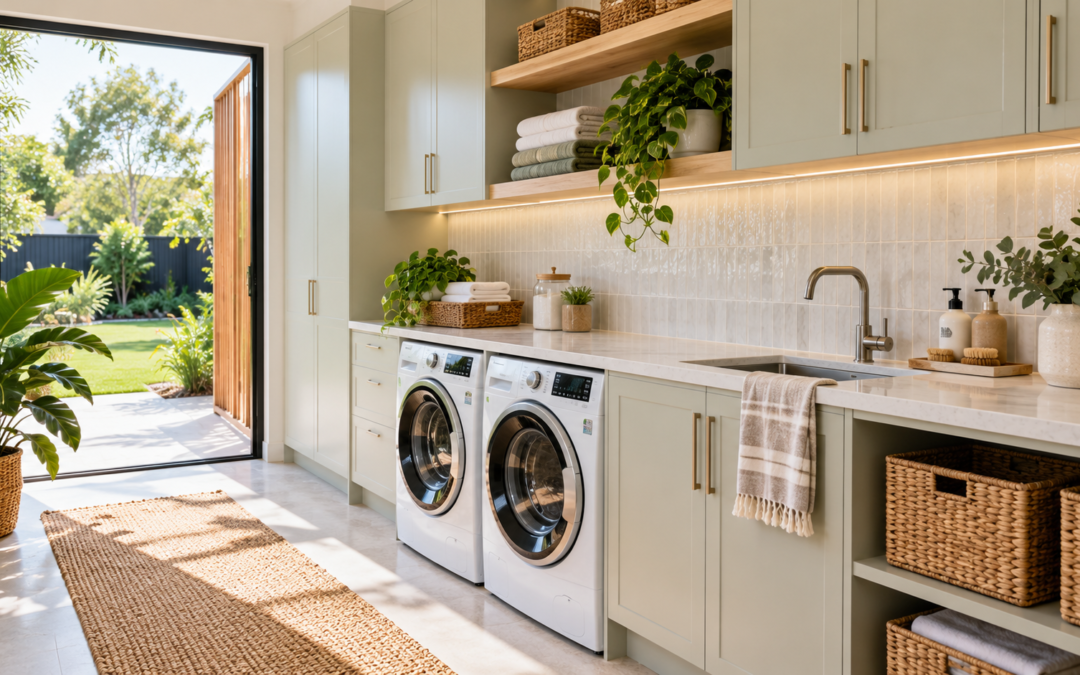
When planning a new home, people often spend hours choosing the kitchen, bedrooms and living area. But there is one practical space that can make everyday life easier: the laundry.
Have you ever thought about whether a separate laundry room is worth the space, or whether a small laundry area would work just as well? The answer depends on your household, available floor space and daily routine.
If you are exploring home designs with Granton Homes, here are some useful questions to consider before deciding on your laundry layout.
Why Does Laundry Room Design Matter?
Laundry is one of those household tasks that never really disappears. Washing clothes, drying towels, storing cleaning products and sorting laundry all need space.
A well-planned laundry can help keep these activities organised without taking over the kitchen or bathroom. Even a compact area can work well when its storage, appliances and access are considered early in the design process.
Is a Separate Laundry Room Better Than a Laundry Nook?
Not every household needs a large, enclosed laundry. Both options can work, depending on how the space will be used.
A separate laundry room may suit you if:
- Your household washes clothes frequently.
- You need space for laundry baskets and cleaning supplies.
- You prefer to keep washing activities away from the main living area.
- You want a dedicated place for sorting and folding clothes.
A compact laundry nook may suit you if:
- You have limited floor space.
- Your household produces less laundry.
- You prefer to use the available area for larger living spaces.
- You can fit the appliances and essential storage into a practical layout.
Before making a decision, think about your actual routine rather than choosing a layout simply because it looks good in a display home.
Where Should the Laundry Be Located in Your Home?
Location can make a surprising difference to everyday convenience.
For example, a laundry near the bedrooms may make it easier to collect clothes and manage washing. A location with convenient outdoor access may help when carrying wet clothes to an outdoor drying area.
You should also consider the distance between the laundry, bathroom and kitchen, as well as how people move through the home.
Ask yourself these questions:
- Will the laundry be easy to reach from the rooms where clothes are used?
- Can someone use the laundry without blocking a busy walkway?
- Is there enough room to open appliance doors comfortably?
- Will noise from the washing machine disturb nearby bedrooms or living areas?
The best position will depend on the overall floor plan and the needs of your household.
What Storage Should You Include in a Laundry?
Storage is not just about having more cupboards. It is about having the right place for the items you use regularly.
Depending on your available space, you might consider:
- Shelves or cupboards for detergents and cleaning products.
- A dedicated place for laundry baskets.
- A bench for folding clothes.
- Hanging space for garments that need to air-dry.
- A cupboard or shelf for household essentials.
If young children use the home, plan safe storage for detergents and other cleaning products. Keep them out of children’s reach and follow the product’s storage instructions.
A useful tip is to list the items you currently keep in your laundry before deciding how much storage you need.
How Can You Manage Moisture and Ventilation?
Laundry areas can produce moisture, especially when drying clothes indoors or using appliances that release humid air.
Australian Government guidance from YourHome recommends suitable ventilation to help manage moisture and maintain indoor air quality. Kitchen, bathroom and laundry exhaust systems should be designed to discharge moist air outdoors where required, rather than into roof spaces or enclosed cavities.
You can read more in the official guide to ventilation and indoor air quality.
When planning your laundry, ask whether the room will have appropriate ventilation, whether the dryer requires a particular installation arrangement and how moisture will be managed. The correct solution depends on the appliance, building design and applicable requirements.
Should You Include a Laundry Bench?
A bench can be useful for sorting clothes, folding towels and placing baskets. However, it is not essential for every home.
If space is limited, a smaller work surface may be enough. You could also consider whether the washing machine and dryer arrangement leaves sufficient room for other tasks.
Before choosing a bench, think about what you will actually do in the room. A large surface that reduces access or storage may not be the best use of available space.
What Questions Should You Ask Before Finalising Your Laundry Design?
If you are planning a home with Granton Homes, consider discussing these points before your design is finalised:
- Can the laundry layout accommodate the appliances I intend to use?
- Is there enough storage for my household’s everyday needs?
- Where will the laundry be located in relation to bedrooms and outdoor drying areas?
- What ventilation arrangements are planned?
- Are the selected fittings, cupboards and benchtops included in the quoted price?
- Would a smaller laundry allow more useful space elsewhere in the home?
Confirm the available design choices, inclusions and costs directly with the builder, as these can vary by home design and building agreement.
Is a Separate Laundry Worth the Extra Space?
A separate laundry can be useful for households that need more room for washing, storage and folding. However, a compact laundry can also work well when it is thoughtfully planned.
The important thing is to choose a layout that supports your routine without taking valuable space away from other areas you use more often.
When researching Granton Homes Australia, consider how the laundry fits into the complete home design rather than judging the room on its own.
Final Thoughts
Should your new Australian home have a separate laundry room? There is no single answer for every household. The right choice depends on your available space, appliance needs, storage requirements and daily habits. Before finalising your home design, think about where you wash, dry, fold and store clothes. A few practical decisions at the planning stage can make this everyday task easier for years to come. Explore Granton Homes and discuss which layout and inclusions may suit your proposed home.