
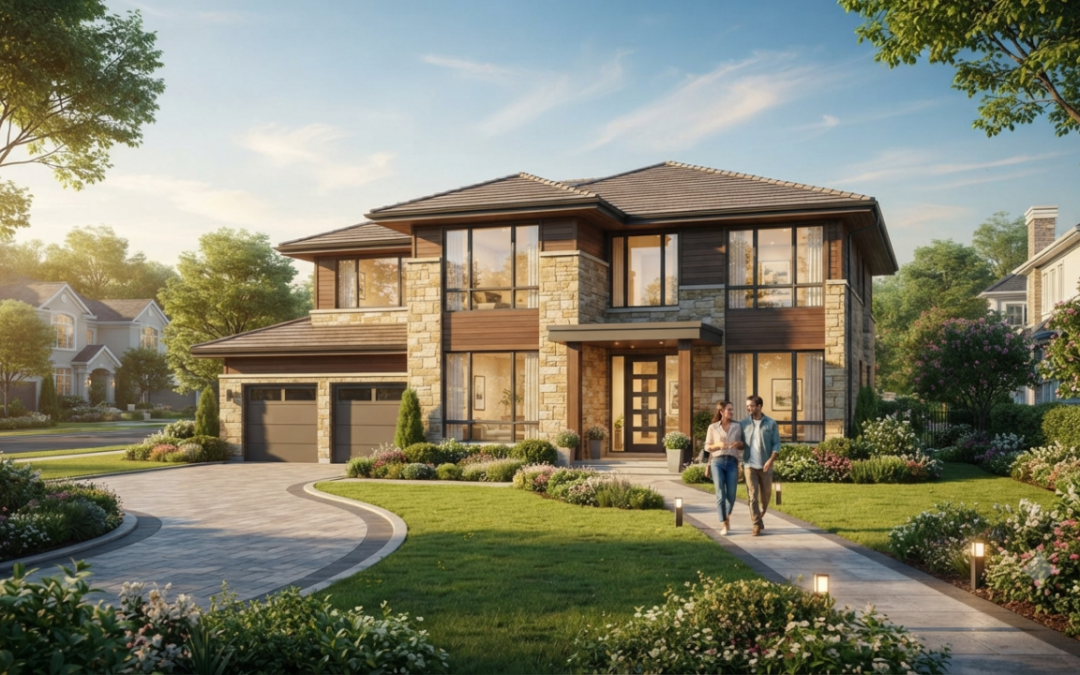
Building a home is one of those experiences that sits at the intersection of genuinely exciting and genuinely consequential. Browsing beautiful home designs, imagining how different spaces might feel, picturing the life that could unfold in a brand-new place — all of that is real and worth enjoying. But making a decision you will feel good about across many years of actual daily living requires something more than choosing a design that appeals in the moment.
Some of the most useful insights experienced homeowners share come from what they learned before construction started — not during it or after. The questions they wished they had asked. The comparisons they wish they had made more carefully. The long-term considerations they wish had carried more weight in the early stages of the decision. Here are five questions that consistently lead to better, more confident home building decisions.
Does This Home Design Actually Fit the Way I Live?
This is the question that matters most — and the one that is most often crowded out by the excitement of looking at beautiful designs.
A home should work for the household living in it. Not just look appealing in a display setting, not just photograph well for a brochure, but genuinely support the daily routines and practical needs of the real people who will be there every morning, evening, and weekend across many years.
That means getting honest about your own lifestyle before you start comparing designs. Does anyone in the household work from home, and if so, how much does a genuinely functional workspace factor into what the floor plan needs to provide? Is entertaining guests a regular and important part of social life, which would make open, flowing living areas a genuine requirement rather than just an aesthetic preference? Does the family need generous storage for the practical accumulation of daily life, and where in the home does that storage actually need to be? Is the household likely to look different in a few years — more people, different work arrangements, different stages of life — and does the design accommodate that change?
A practical home design that genuinely fits how you live will keep working for you long after moving day. A design chosen primarily for how it looked during the inspection may start revealing its limitations sooner than expected once real daily life has taken over.
Am I Comparing Builders on the Right Things?
Price is the natural first point of comparison between builders — and it matters genuinely. Budget is a real constraint and it makes complete sense to factor it prominently into any comparison. But when price becomes the only basis for comparison, important differences between builders can get missed in ways that become apparent only after the commitment is made.
Two homes with very similar price tags can offer genuinely different value depending on what is included, how efficiently the floor plan has been designed, how much flexibility exists in the design and variation process, and how the building experience itself tends to work for the households going through it.
Standard inclusions — what is genuinely in the base price versus what costs extra — vary significantly between builders and can make a large difference to the actual total cost of the finished home. Floor plan efficiency — how well the available space has been designed and laid out — affects the daily experience of living in the home far more than the raw square metreage. Construction quality across the elements of the home that receive the most daily use shapes how well the home holds up across years of real living. The builder’s approach to communication and customer support throughout the process affects how stressful or smooth the experience of building itself turns out to be.
Looking at the complete picture — across all of these factors, not just headline price — consistently produces better long-term value. Builders like Granton Homes are regularly included in these broader comparisons as buyers evaluate what different builders actually offer against the full range of things that will matter across the years of living in the home.
Will This Layout Still Work Well in Five Years?
This is the question that most clearly separates decisions that hold up across the full span of ownership from ones that start to reveal their limitations sooner than expected.
The household that moves into a home is not always the same household that lives there five or ten years later. Life changes in ways that are sometimes clearly predictable and sometimes less so — families grow, work arrangements evolve, children move through developmental stages that create different space requirements at every step, priorities shift as different life chapters unfold.
A floor plan that has been optimised purely around present needs may become limiting as those changes arrive — requiring either expensive and disruptive renovation or the ongoing frustration of living with a home that no longer quite fits.
A floor plan with genuine flexibility built in handles those changes far more gracefully. A spare bedroom that can honestly transition between a nursery when a baby arrives, a home office when remote work increases, and a guest room when the household configuration changes again. Rooms that are configured to serve different purposes over time rather than single purposes forever. A layout that remains sensible and functional across different household configurations rather than one that fits perfectly for a single moment and gradually reveals its limitations as that moment passes.
Asking whether the layout will still work in five years — and evaluating honestly how each option answers that question — is one of the most practically valuable things any buyer can bring to a floor plan comparison.
Have I Done Enough Research to Feel Genuinely Confident?
There is a meaningful difference between feeling excited about a decision and feeling genuinely confident about it. Excitement comes from initial impressions and appealing possibilities. Confidence comes from preparation — from having done the work to understand what actually matters, what each option genuinely offers, and how different choices are likely to play out across real daily life.
The research that consistently produces genuine confidence in a home building decision looks something like this. Visiting display homes more than once, with specific and practical questions in mind rather than just a general open-minded walk-through — because the second visit with better questions almost always reveals things the first visit, full of initial impressions, did not. Reading the experiences of people who have already built with different builders and are now living in their homes — because those firsthand accounts surface practical realities that no amount of marketing material ever will. Comparing floor plans carefully and specifically against the household’s real daily life scenarios rather than against abstract preferences. Asking questions — including the ones that feel too basic to ask — before signing anything, because the answers consistently prove useful and the alternative is discovering important things at the wrong time.
The more genuinely informed a buyer becomes before making their commitment, the more comfortable and more grounded their confidence in the final decision tends to be. That preparation is always time well spent relative to the scale and permanence of the decision being made.
Am I Thinking About Everyday Life, or Just the Best-Case Version of It?
Display homes present a home at its very best — staged, lit, and arranged to create the strongest possible impression. That impression is real and genuinely informative. But it does not represent the full experience of what it will be like to live in the home across thousands of ordinary days.
The most useful mental shift any buyer can make during the evaluation process is from best-case thinking to everyday thinking. Not — does this kitchen look impressive from the doorway — but — is this kitchen genuinely practical for the way my household actually prepares meals on a busy weekday evening? Not — does this living area feel spacious during an inspection — but — will it remain comfortable and functional during a full Saturday with children around and different household members all using the space in different ways?
The details that consistently make the biggest difference to everyday life are often the ones that receive the least attention during the selection process. Kitchen workflow — how the layout of the kitchen actually supports meal preparation in the way the household really cooks. Storage space — whether there is enough in the right places to keep the home feeling organised without constant effort. Laundry placement — whether it makes a repetitive daily task feel efficient or unnecessarily complicated. Natural lighting throughout the main living areas and how that affects the atmosphere and comfort of the spaces where the household spends the most time. The connection between indoor living spaces and outdoor areas and how that shapes how the home feels across different seasons.
These are the features that people appreciate every single day — not just during the inspection, but across all the ordinary days of real living that follow. And they deserve to be evaluated specifically and practically during the selection process rather than taken for granted or assumed to be adequate.
Good Planning Now Creates Better Living Later
Building a home is not about finding the perfect design. Perfection is not a real destination, and chasing it tends to produce indecision and stress rather than better outcomes. It is about finding the home that best fits your specific household’s real lifestyle, genuine priorities, and realistic future needs — and then making that decision with genuine confidence built on proper preparation.
The extra time invested in asking these five questions carefully, in researching thoroughly before committing to anything, in thinking about the future alongside the present — all of it pays dividends across the years of living that follow. Fewer regrets about things that could have been thought through earlier. Greater confidence in the decisions made. A home that keeps working well for the household across different life stages rather than one that fitted well initially and revealed its limitations gradually.
Final Thought
Every homeowner’s journey through the building process is different. The specific decisions look different for every household. But the approach that consistently produces the best outcomes is the same across all of them — thoughtful preparation, honest self-assessment of real needs and priorities, careful comparison of what different builders and designs actually offer, and a focus on practical everyday liveability rather than short-term visual impressiveness.
Many Australians researching their home building options — including those exploring what Granton Homes offers alongside other builders — are increasingly placing genuine weight on functional layouts, flexible spaces, and homes designed around how people actually live rather than around how they look in a showroom. The shift toward that kind of thinking is producing better decisions and more genuinely satisfied homeowners.
Because the best home is not simply the one that looks most impressive. It is the one that works for your life — every ordinary day, across all the years that follow the day you move in. That is exactly what Granton Homes is committed to helping you build.