
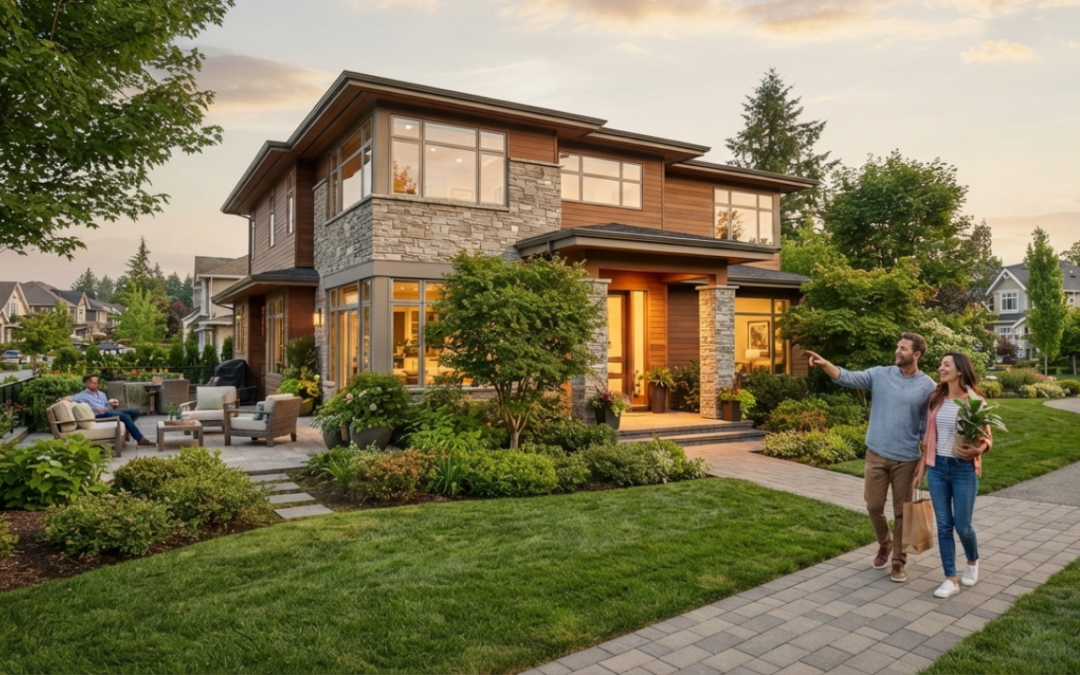
Building a home is one of those milestones that carries genuine weight — financially, practically, and personally. It is not just a large purchase. For most people, it is a decision that will shape the texture of daily life for years, sometimes decades. The space where mornings begin and evenings wind down. Where the household gathers, works, relaxes, and creates the memories that make a place feel like home.
Given that, the planning stage — the decisions made before construction starts — matters enormously. And yet it is also the stage where many buyers feel most uncertain about whether they are asking the right questions and focusing on the right things.
Something I noticed while researching Australian home builders is that the question most buyers start with — which builder is the best? — is actually not the most useful one. The question that leads to better decisions, and that experienced buyers often arrive at over time, is something more specific and more personal.
Which builder can deliver a home that genuinely suits the way my family actually lives? That shift in the question changes everything about how the research process unfolds.
Start With Your Own Life Before Looking at Floor Plans
The most common approach to researching home builders starts with browsing designs — looking at floor plans, visiting display homes, responding to the things that create the strongest immediate impression. A beautiful kitchen. A generous living area. A modern exterior that looks impressive from the street.
There is nothing wrong with any of that as a starting point. But it tends to produce a comparison that is heavily weighted toward visual appeal and initial impression, without enough grounding in the practical reality of how the household actually lives.
The more useful starting point is a genuine and specific conversation — with yourself, and with anyone else who will be living in the home — about daily life and daily priorities.
Does anyone work from home, and if so, how significant is a properly functional workspace to the design? Will the family grow in the coming years, and does the home need to accommodate that from the start or at least allow for it? Is entertaining guests a regular and important part of how the household socialises, which would make flowing open living spaces a genuine requirement? Is storage a genuine daily challenge — one that thoughtful design choices could make significantly easier? Would the household benefit from rooms that can genuinely flex between different purposes as needs change over time?
The answers to these questions are more important than any floor plan comparison in determining which home will actually work best for the household long term. A home that supports your daily routine is consistently more valuable than one that simply looks impressive during an inspection — and getting clear on what your daily routine actually requires is the foundation of every useful comparison that follows.
The Challenges That Come Up Again and Again
Spending time reading through the experiences of people who have gone through the home building process reveals some challenges that appear so consistently they are worth preparing for specifically.
The first is the sheer volume of options. Modern builders offer a genuinely wide range of floor plans, façade styles, upgrade packages, and inclusions variations. Having choices is a good thing. But when you are trying to compare everything simultaneously without a clear set of priorities to filter by, the volume of options can make the process feel overwhelming rather than manageable. Creating a genuine shortlist based on the household’s specific priorities — informed by the kind of honest lifestyle questions above — turns an overwhelming comparison into a focused one.
The second is focusing too narrowly on initial price. Budget is real and important, and it would be unrealistic to suggest otherwise. But comparing builders primarily on headline cost rarely produces the complete picture needed for a good decision. A practical layout, quality standard inclusions, and thoughtful design choices often provide benefits that continue to matter every day for years after construction is complete — benefits that a pure price comparison does not capture. Looking at overall value, across all the factors that shape the daily experience of living in the home, consistently produces better long-term outcomes than price comparison alone.
The third is not thinking far enough ahead. It is human and understandable to design primarily for the household as it is right now. But the household that moves into a home today is not necessarily the household that will be living there in five or ten years. Planning for the changes that are likely to come — in family size, in work arrangements, in the different stages that different household members will move through — helps ensure the home keeps working well across the full span of ownership rather than starting to feel limiting sooner than expected.
The Features That Actually Make Daily Life Better
One of the most consistent findings that emerges from reading the honest reflections of homeowners who have been living in their homes for a few years is that the features they appreciate most are often not the ones that made the strongest impression during the initial search.
The luxury upgrades that looked impressive in the display home tend to fade into the background fairly quickly as they become part of the familiar environment. What stays at the front — what genuinely shapes the daily experience of living in the home across ordinary days — tends to be quieter and more practical.
Living areas that receive good natural light throughout the day and feel genuinely welcoming rather than enclosed and artificial. Kitchens with a layout that makes real meal preparation feel efficient rather than slightly more complicated than it needs to be. Storage that is genuinely adequate and well-positioned, keeping the home feeling organised without requiring constant effort. Family spaces that are comfortable for the full range of activities the household actually does in them — not just the staged version. Rooms that have been designed with enough flexibility that they can serve different purposes as the household’s needs change over time.
These are the features that deliver consistent, real, daily value across the full span of living in a home. They are worth evaluating specifically and deliberately during the research process rather than assuming they will be adequate or taking them for granted in favour of more immediately exciting design elements.
Why Research Always Pays Back More Than It Costs
The time investment required to research a home building decision properly can feel substantial, particularly when the excitement of getting started is pulling toward action. But that time investment consistently pays back in the form of greater confidence, fewer regrets, and a home that genuinely serves the household well across the years that follow.
Visiting display homes in person — not just to experience the design at its best, but to evaluate it specifically against the household’s real daily life scenarios. Comparing floor plans carefully and with specific practical questions in mind rather than general aesthetic preference. Understanding what is genuinely included in a builder’s standard package at various price points and what requires additional investment. Preparing specific questions before any conversation with a builder’s consultant and actually asking them — because the answers are consistently more useful than any marketing material. Reading a range of homeowner experiences across different perspectives, because diverse accounts surface considerations that any single source would miss.
This approach, applied consistently whether you are researching Granton Homes or comparing several Australian builders alongside each other, produces the kind of genuinely informed perspective that makes a confident final decision possible. Not confidence built on optimism or excitement, but confidence built on real understanding — the kind that holds up when things get complicated and that continues to feel justified across the years of living in the home that follows.
How to Think About Granton Homes in Your Comparison
If Granton Homes is one of the builders you are seriously considering — as it is for many Australians currently in the market — the most useful approach is to engage with them the same way you should engage with any other builder at that stage of your research.
Review the home designs they offer with your household’s specific needs in mind rather than against a generic standard. Look at the available floor plans and evaluate how well each one would support your real daily routines rather than how it looks in a staged display setting. Understand what is included in the standard offering at the price points you are considering. Ask about design flexibility — how much the floor plan can be adjusted to better fit specific household requirements, and what that process involves. Talk to the team and pay attention to how the conversation feels — whether questions are welcomed and answered clearly, whether the communication feels like the kind of transparency you would want throughout a building process.
The right builder for your household is the one whose designs, approach, and standard of work align most closely with your specific goals, priorities, and lifestyle — not the one that made the strongest brochure impression or the most compelling display home presentation.
Final Thought
Building a home is not ultimately about bricks and timelines and specifications. It is about creating the place where daily life happens — where family dinners occur and quiet weekends unfold and important moments are made and the ordinary routine of being home takes place across countless ordinary days.
The decisions made during the planning stage shape all of that. And the quality of those decisions depends directly on the quality of the preparation that preceded them — on how clearly the household’s real priorities were understood, how carefully the available options were compared, and how much thought was given to not just today’s needs but tomorrow’s as well.
Whether your research includes Granton Homes or extends across a broader range of Australian builders, approaching that research with genuine care — asking thoughtful questions, comparing practical features, and staying grounded in what your household actually needs rather than what looks most impressive — will always produce better decisions.
A well-planned home is not defined by its size or its upgrade list. It is defined by how comfortably and how well it supports the people living in it, year after year, long after the moving boxes have been unpacked.