
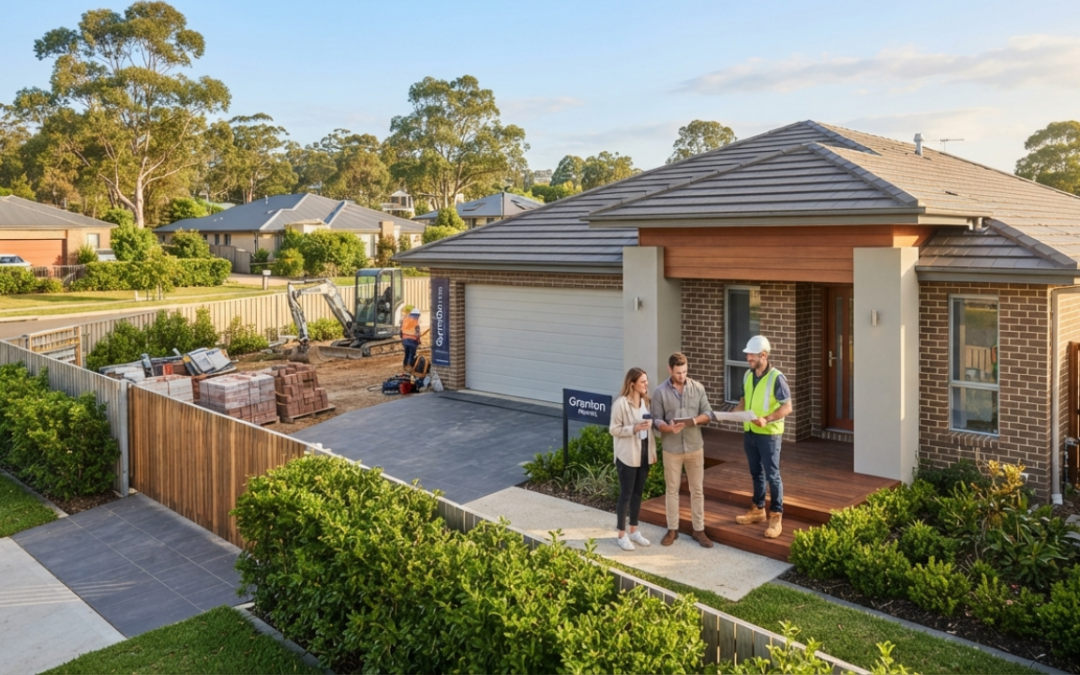
Building a new home is one of the most exciting things you’ll ever do, but if there’s one thing that worries almost every Australian buyer, it’s construction delays. I’ve noticed people searching things like “why is my home build delayed,” “how long should a house build take,” and “what causes delays in new home construction” all the time. It’s clearly on everyone’s mind.
You can’t avoid every delay, but once you understand what usually causes them, you can prepare for it and save yourself a lot of stress.
If you’re researching Granton Homes or comparing a few different Australian builders, here’s what I think every future homeowner should know before they sign anything.
Why Do Delays Actually Happen?
A lot of people assume delays are always the builder’s fault. That’s just not true in most cases.
There are quite a few things that can throw off a construction timeline:
- Council approvals taking longer than expected
- Site preparation issues
- Materials not arriving on time
- Bad weather
- Design changes requested once building has already started
- Trades not being available when needed
Once you know these things can happen, you can go into your build with realistic expectations instead of being blindsided.
Problem 1: Changing Your Mind Mid-Build
Honestly, this is one of the biggest culprits. Homeowners decide to change something important after work has already begun — moving a wall, redoing the kitchen layout, adding a window, upgrading the flooring.
I get it, sometimes these changes feel necessary. But they almost always affect your timeline and your budget.
My advice: Put in the extra effort before construction starts. Sit with your plans, sleep on them, go through every detail. The more you lock in early, the fewer surprises you’ll run into later.
Problem 2: Not Taking Site Prep Seriously Enough
Every block of land is different. Soil conditions, drainage, how easy it is to access the site — all of this can mean extra prep work before the actual build even begins.
My advice: Ask your builder for a proper site assessment and make sure you actually understand what they recommend, rather than just nodding along.
Problem 3: Not Enough Communication
In my experience, not knowing what’s going on is often worse than the actual delay. Silence creates anxiety. My advice: Whether you’re talking to Granton Homes or anyone else, ask upfront how they’ll keep you updated and who your main point of contact will be. Good communication changes everything.
Problem 4: Obsessing Over the Handover Date
I know the finish line feels like the only thing that matters, but a good build takes careful planning and coordination. Sometimes a small delay now genuinely saves you from a bigger headache later.
My advice: Instead of only asking “when will it be done,” ask about their quality control process and how they manage each stage of the build.
Questions Worth Asking Before You Commit
- How will I get progress updates?
- What happens if materials get delayed?
- How do you handle design change requests?
- What usually causes delays on your builds?
- What can I do as the homeowner to help things stay on track?
Asking these early sets the tone for better communication down the line.
Why Preparation Really Matters
If there’s one thing experienced homeowners agree on, it’s this — preparation makes the whole journey easier.
Research your builder. Actually read your contract. Go over your plans properly. Ask every question, even the ones that feel small. If Granton Homes is on your shortlist, take the time to understand their process and ask detailed questions early. It’ll make you feel a lot more confident once the build actually starts.
Final Thoughts
Building a home is a journey, not just a finish line. Delays can happen on any project, but a lot of the common ones can be reduced with good planning, realistic expectations, and honest communication.
Whether you’re researching Granton Homes or weighing up a few Australian builders, remember — preparation is one of the best things you can do for a smoother build. A great home isn’t just built with quality materials. It’s built on informed decisions, right from the start.
Frequently Asked Questions
What’s the most common cause of home building delays? It usually comes down to a mix of approvals, weather, site conditions, material availability, and design changes made mid-build.
Can homeowners actually help reduce delays? Yes. Finalising your plans early, responding quickly when your builder needs something from you, and avoiding unnecessary changes all help keep things moving.
Does communication really make a difference during construction? Definitely. Regular updates and honest conversations go a long way in helping you understand what’s happening and reducing that uncertainty.
Join the Discussion
If you’ve already built a home, I’d love to know — what was the toughest part of your build? Was it approvals, delays you didn’t see coming, budget stress, or something else entirely? Your experience might just help someone who’s starting their own home-building journey right now.