
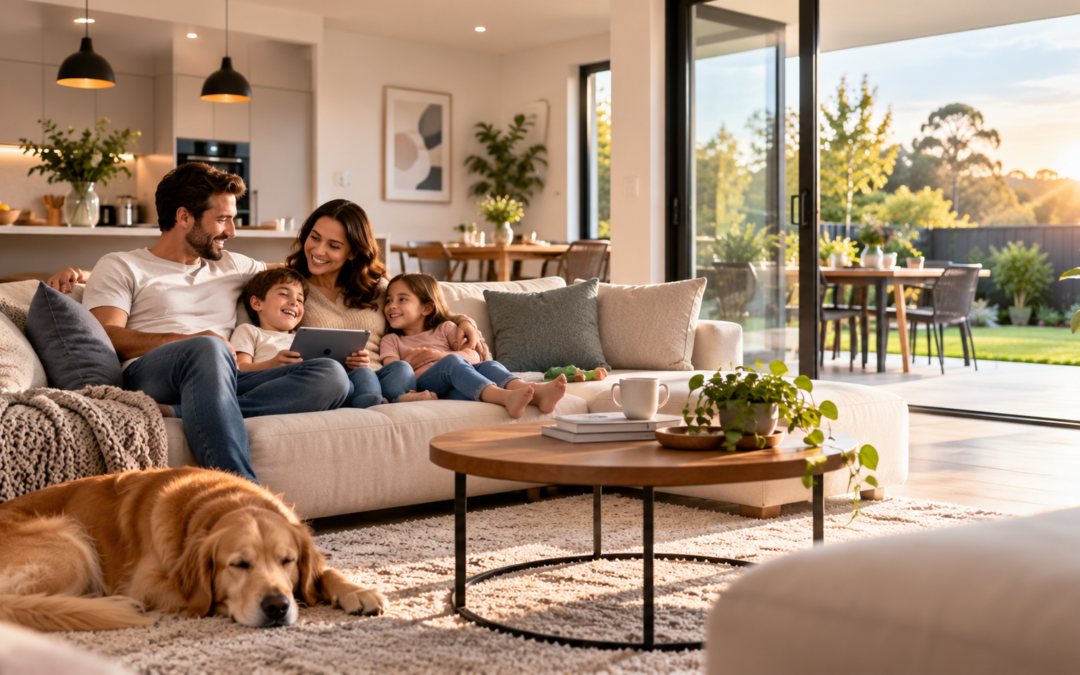
When most people picture their dream home, they think about what they want to add to it.
A bigger kitchen. A nice outdoor space. A spacious bedroom. More storage. A great-looking front.
But there’s a different question worth asking one that can change how you think about your whole home design:
What should your home make easier?
It’s a good question because a home isn’t just a bunch of rooms stacked together. It’s where your daily life actually happens getting ready in the morning, cooking dinner, working, relaxing, storing your stuff, spending time with family. All of that gets shaped by how the house is designed.
This is exactly why custom home building appeals to a lot of homeowners people who don’t want to squeeze their lifestyle into someone else’s fixed layout. Granton Homes builds its process around keeping homeowners involved from start to finish, offering both flexible standard designs and fully custom options. So what should you actually be thinking about?
Does Your Home Make Mornings Easier?
Picture a regular weekday morning. Everyone’s getting ready, breakfast needs to happen, bags need to be found, and somehow everyone has to leave on time.
A beautiful home doesn’t automatically make this easier.
Are the bedrooms in a convenient spot? Is the bathroom easy to get to when three people need it at once? Is there enough room in the kitchen to move around? Where do the school bags and shoes actually go? Is there a spot to quickly grab everything before running out the door?
These sound like small details, but they repeat every single day. A home designed well should think about these everyday moments not just how impressive it looks the first time someone walks in.
Does Your Kitchen Make Cooking Comfortable?
The kitchen is another good example of this.
A lot of people focus on cabinets, benchtops, appliances, and finishes. Those things matter, sure but how you actually move through the kitchen matters just as much.
Think about cooking a big family meal. Where do the ingredients go? Where are the appliances placed? Can someone else move around without bumping into you? Is there enough space to prep everything? Can family or guests hang around comfortably while you cook?
There’s no one kitchen layout that works for everyone. Someone who barely cooks needs something very different from someone who loves hosting weekend dinners.
That’s why explaining how you actually live matters more during the design process than just saying “I want a modern kitchen.”
Does Your Home Help You Switch Off?
These days, it’s harder than ever to separate work from home life.
If you work from home, your laptop can quickly take over the dining table or the living room. And once the workday’s done, it’s tough to draw a clear line and actually switch off.
Which raises a real question should every home have a dedicated work or study space?
Not always. Some households genuinely need a separate office. Others are fine with a flexible room or a quiet corner. What matters is understanding how you’ll actually use the space. A room that’s your office today might become a guest room, a hobby space, or something else entirely a few years down the line.
Does Your Home Make Storage Less of a Headache?
Storage is probably the least exciting part of designing a home. But it makes a bigger difference to daily life than people expect.
Without enough smart storage, even a big house can start feeling cluttered.
It’s not really about having more cupboards it’s about having storage in the right places. Storage near the entry keeps everyday items sorted. Kitchen storage keeps the benchtop clear. Bedroom storage makes managing clothes easier. Garage storage stops tools and equipment from spilling into other parts of the house.
Honestly, the best storage is usually the kind you never even notice.
Does Your Home Work With Your Block?
The land itself is a big part of this conversation too.
A house doesn’t exist in isolation it sits on a specific block, with its own shape, orientation, slope, access points, and surroundings. That means a floor plan that works great on one block might not work at all on another.
Granton Homes says its custom-build process takes all of this into account the home, your lifestyle, and the site itself including tricky blocks with difficult terrain or limited access.
If you’re considering a custom build, this is a conversation worth having early on, rather than trying to force a design you love onto a site that really calls for something different.
What About Down the Road?
Here’s another question worth asking: should your home only solve the problems you have right now?
Your household is going to change. Kids grow up. Work situations shift. Hobbies come and go. Family visits more (or less). At some point you might want a quieter workspace, a different entertaining setup, or rooms that can flex to new needs.
You can’t plan for everything that might happen over the next ten years. But you can avoid building a home that only makes sense for one narrow moment in your life.
That’s really why flexibility often matters more than just adding extra square footage.
So What Should a Home Actually Make Easier?
Honestly, the answer’s probably different for every household.
For one person, it’s about making entertaining easier. For another, it’s about working from home without the stress. For a growing family, it might come down to mornings and storage. For someone who loves cooking, the kitchen takes priority. And for someone who just wants peace and quiet, a calm space might matter more than a huge living room.
This is why conversations with your builder should go beyond just counting bedrooms and bathrooms.
Instead of only talking about what rooms you want, try explaining how you actually want to live. That gives the whole design process something far more useful to work with.
The Bigger Question for Homeowners
Granton Homes’ whole approach to custom builds is centered on designing around each homeowner’s actual lifestyle, instead of treating every family’s needs as identical.
But no matter which builder you go with, this principle holds up:
Don’t just think about what you want your home to look like. Think about what you want it to help you do. That one shift in thinking can shape everything the floor plan, the storage, the kitchen, the outdoor space, and how flexible the whole house ends up being.
Final Thought
A great home doesn’t need the biggest rooms or the longest feature list. Sometimes its real value is much simpler than that. It makes your mornings smoother. It gives everyone enough breathing room. It keeps your everyday stuff organised. It makes cooking something you actually enjoy. It gives you a quiet place when you need one.