
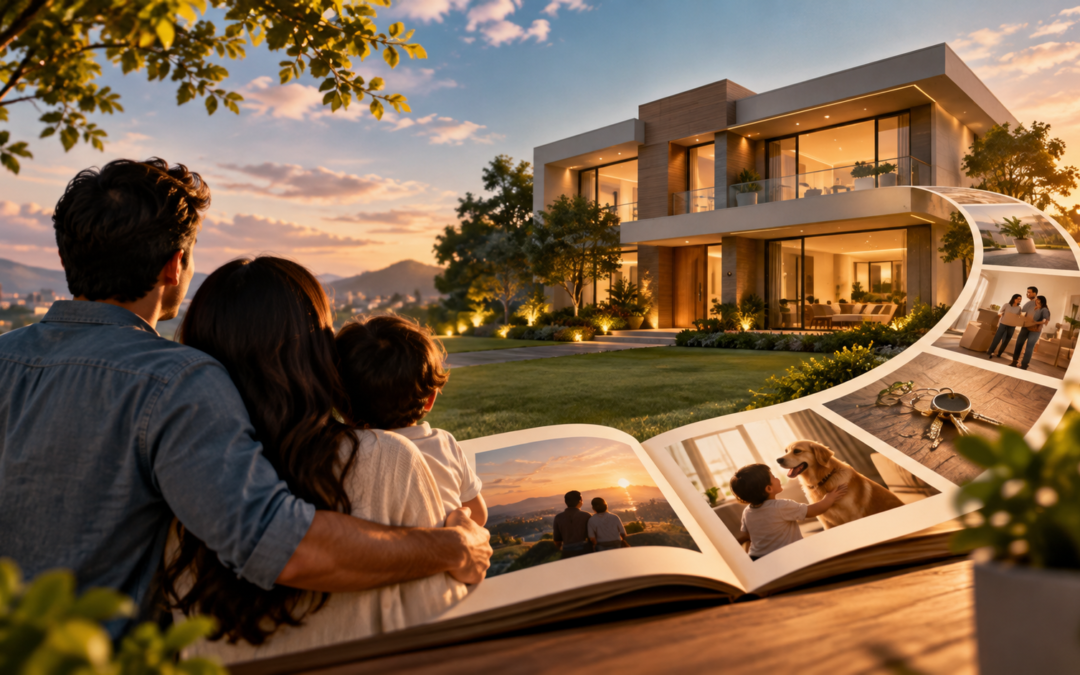
Every new home starts with a plan. There’s a drawing, a piece of land, a list of rooms, and a lot of decisions to make. At this point, it’s easy to think of a house as just a building project.
But once you move in, things change. The walls stop being just walls.
The kitchen turns into the place where Sunday breakfasts happen. The dining table becomes where birthdays are celebrated. The hallway is where the kids run in after school. The backyard is where you spend warm evenings with family and friends.
Slowly, the house becomes part of your everyday life.
So here’s a question worth asking:
Can a home be built not just to look good today, but to hold the memories you’ll make tomorrow?
You Can’t Plan Every Memory
Nobody can know exactly what will happen inside a home.
You can’t design a room and know it’ll turn into someone’s favourite reading spot.
You can’t guess which window someone will end up watching every sunrise from.
You can’t tell which corner of the backyard will become the family’s go-to hangout spot.
These things just happen on their own.
What you can do is build spaces that leave room for everyday life to unfold.
A comfortable living room invites conversation.
A practical kitchen brings people together while meals are cooking.
An outdoor space sets the stage for relaxed get-togethers.
A flexible room can grow and change along with your household.
The design sets the stage. Life writes the story.
Think About the Moments You Want to Create
Instead of only asking what rooms you need, try asking something different:
What do I want to actually do in my home?
Maybe you’re dreaming of long family dinners.
Maybe you love having friends stay over.
Maybe weekend mornings matter most to you.
Or maybe you want a space where the kids can play while you keep an eye on them.
Perhaps gardening or quiet evenings outdoors are your thing.
These everyday activities can shape how your spaces connect to each other.
A Kitchen Can Be More Than Just a Kitchen
Picture a kitchen on any regular day.
Someone’s making coffee.
Someone else is cooking breakfast.
A kid is sitting nearby.
Someone’s talking about their day.
Later, friends show up, and that same space turns into a gathering spot.
The kitchen hasn’t changed.
But what it means to you has.
That’s why designing around real life often matters more than just picking trendy finishes.
The Same Room, Different Stories
A room can mean different things at different points in life.
A bedroom might start out belonging to a little kid.
Years later, it could become a teenager’s private space.
Later still, it might turn into a guest room or a home office.
That’s why flexibility matters.
A home doesn’t need to stay frozen the way it was first designed.
It can grow and change along with the people living in it.
Your Block of Land Is Part of the Story Too
The house itself is only one piece of the puzzle.
The land around it shapes how the property feels and how you’ll use the different spaces.
Things like sunlight direction, views, nearby homes, the slope of the land, and the surroundings all play a part in the design.
The Australian Government’s own guidance on home design says you should think about the block’s characteristics, orientation, thermal performance, and floor plan together not separately.
Which means the perfect design for one block might not work at all for another.
Where Granton Homes Fits In
Granton Homes offers a range of ready-made designs, plus custom design options. Their design and planning process is built around working with homeowners to shape a home around their preferences and how they actually want to live.
That kind of approach is especially useful if you already know how you want to live, rather than just what you want the house to look like.
Someone who loves entertaining, for example, might think differently about how the kitchen, dining area, and outdoor space connect.
Someone who values quiet time might put more weight on private spaces.
A growing family might think ahead about how their spaces will need to change over time.
It turns the design conversation into something more personal less about copying a display home, more about building a setting for your real life.
What Will You Remember About Your Home?
Picture yourself living in your new home ten years from now.
What do you think you’ll remember?
Maybe it’ll be the first Christmas dinner around the table.
Maybe it’ll be quiet evenings spent outside.
Maybe it’ll be the kitchen where everyone gathered on weekends.
It could even be something small a sunny chair by the window where you had your morning coffee.
Funnily enough, these memories rarely have anything to do with the most expensive feature in the house.
They come from how the space was actually lived in.
Leave Room for the Unexpected
A home should be planned carefully but it doesn’t need every single moment mapped out in advance.
A little flexibility goes a long way.
A room can serve more than one purpose.
Furniture can be moved around.
An outdoor space can change with whatever activity you feel like.
A simple corner can turn into something you never expected.
Sometimes the best parts of a home are the ones you never planned for.
Beauty and Meaning Can Go Together
None of this means looks don’t matter.
Of course they do.
People want a home that reflects their taste and personality.
Good materials, nice finishes, and thoughtful architecture all add to the experience.
But looks and practicality don’t have to compete with each other.
A home can look beautiful and still give you the right setting for everyday life and future memories.
It’s really about knowing what matters most to you.
A Different Way to Start Planning Your Home
Before picking out every little detail, try making two simple lists.
List one: “What do I want my home to have?”
This might include things like:
- A big kitchen
- An extra bedroom
- An outdoor area
- A home office
- Plenty of storage
List two: “What do I want my home to help me do?”
This might look like:
- Cook with family
- Work comfortably from home
- Host friends
- Enjoy quiet time
- Spend more time outdoors
The second list is really what explains the first one.
And once you’re clear on that, design decisions get a lot easier.
Final Thought
A house starts out as a construction project.
But over time, it becomes something much more personal.
It turns into the place where everyday life happens celebrations, visitors, growing kids, and routines that build up over the years.
That’s why a new home shouldn’t only be judged by its rooms, materials, or looks.
It should also leave room for life to happen.
Granton Homes‘ focus on personalised design and getting homeowners involved is one way to approach this by thinking about the people who’ll actually live in the house, not just the structure itself.
Because years from now, you probably won’t remember every single design choice.
You’ll remember what happened there.
If you could design one space in your future home just for making memories, what would it be?