
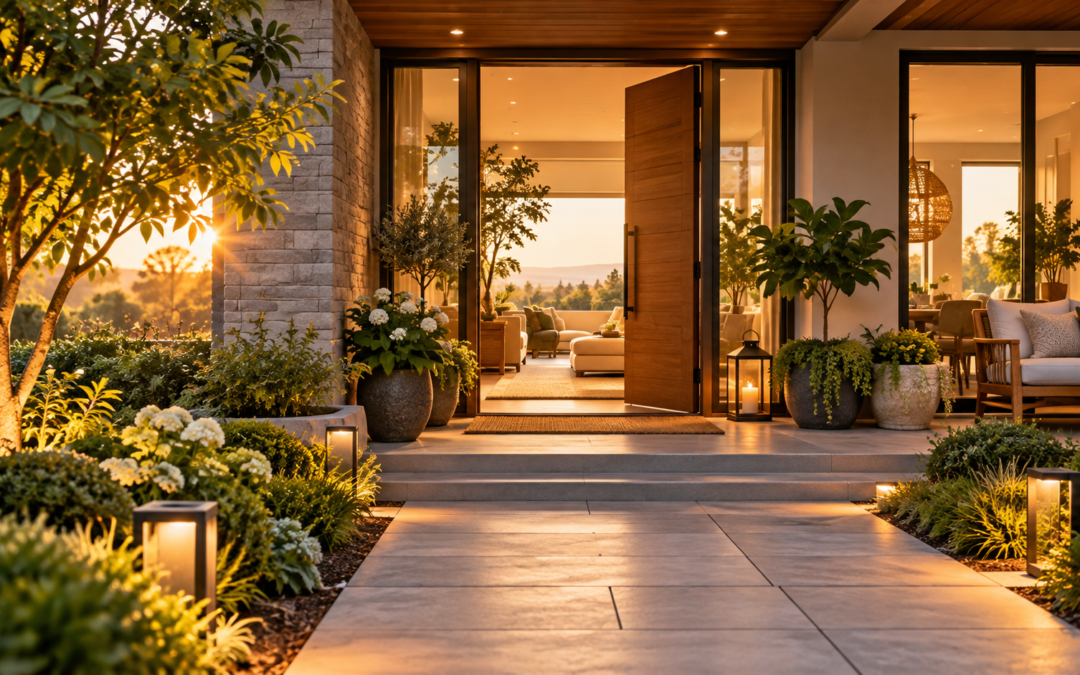
Most people don’t think much about the entrance of a home. It’s just the first few steps inside the door. But a lot happens in those few steps every single day.
You come home with shopping bags, kick off your shoes and drop your keys somewhere. The kids get in from school, and guests knock on the door. Someone is carrying groceries while someone else is trying to head out. A well-planned entrance can make all of these moments a lot easier.
What Happens the Moment You Come Home?
Think about a normal evening. You get home from work, and you need a place for your keys, your shoes and your bag. The kids’ school items need somewhere to go too.
If there’s no natural spot for these things, the entrance gets cluttered fast. It’s easy to underestimate how much those first few metres shape your daily routine.
Does an Entrance Need to Be Big?
When we picture a beautiful entrance, we often imagine a large foyer. But size isn’t what makes an entrance work. A smaller space can do the job well if it’s designed properly.
What matters is having a spot for shoes, a place for bags, enough room to move around, and easy access to the main living areas. Smart planning beats extra square metres.
Bringing Home the Groceries
Picture yourself coming back from the supermarket with a pile of bags. Nobody wants to walk through the whole house just to reach the kitchen. A simple, direct route makes life easier. It also helps if you have somewhere to put the bags down for a moment, and if you can get to the kitchen without blocking anyone.
These are small, ordinary moments, but they happen many times a month. A practical layout takes a bit of the frustration out of them.
Busy Weekday Mornings
The entrance matters most in the morning. Everyone is getting ready, someone is hunting for their shoes, someone else is looking for keys, and one person is already waiting outside.
The best way to judge an entrance isn’t to picture it clean and empty. Picture it on your busiest weekday morning and ask whether it can handle that without turning into chaos.
Where Should Everyday Items Go?
You’ve probably walked into a home and seen shoes, bags and jackets scattered everywhere. Usually that’s not because the people are messy. The home just doesn’t give them an easy place to put things.
Built-in storage or a simple drop zone can fix this. When your everyday belongings have a clear home, your routine gets smoother.
Making a Good First Impression
Of course, the entrance is also the first thing people see. That doesn’t mean it has to be expensive or fancy. Natural light can make it feel welcoming, and simple finishes give it a clean look. A view or connection to the garden or living area can make the space feel more open.
An attractive entrance doesn’t have to be dramatic. It just needs to feel comfortable when you walk in.
Thinking About Entrances When Exploring Granton Homes
When you’re looking at home designs with Granton Homes, try to see the entrance as more than a doorway. Think about what happens right after you walk in. Where will your everyday things go? How will groceries get to the kitchen? Can family members come and go without getting in each other’s way? Does the entrance connect naturally to the areas you use the most?
Asking these questions helps you look at a home based on how you’ll actually live in it, not just how it looks.
When Guests Arrive
Now think about a weekend evening with friends or family coming over. Where do they come in? Do they walk straight into a private area? Is there enough room for everyone to say hello? Can guests easily tell where to go?
The way visitors move through a home is often very different from how your own family uses it, and a good design considers both.
Entrances Through the Seasons
Your entrance also has to cope with the weather. In cooler months there are jackets and extra layers. On rainy days you have wet shoes and umbrellas. In summer, more outdoor items find their way inside. This is another good reason to plan practical storage near the door.
What If Your Family Grows?
Your entrance might work perfectly today. But if your family grows, there will be more shoes, more bags, more school items, more visitors and more people moving through every day.
You can’t predict the future, but a little flexibility in the design makes it easier for your home to adapt.
Is the Entrance Connected to the Right Spaces?
Think about where your entrance leads. It might open straight into the living room, or towards the kitchen, or near a hallway, garage or laundry. The right connection depends on your routine.
The position of the entrance can also affect privacy and how easily you carry things around the home. It isn’t a separate feature. It shapes the flow of the whole house.
What Does Your Current Home Teach You?
Take a moment to think about your current entrance. What works well, and what annoys you? Where does clutter pile up? What do you wish you had more room for? What do you keep having to move out of the way?
Your answers can help you plan your next home more thoughtfully. Some of the best design ideas come from problems we already live with.
Can a Simple Entrance Save You Time?
Imagine having a clear spot for your keys, a place for your shoes, easy storage for bags, a simple route to the kitchen and enough room for people to come and go.
Each of these might only save you a minute or two. But when it happens every day, those minutes really add up.
Final Thoughts
The entrance may not be the biggest or most exciting part of a home. Still, it’s one of the places you use almost every day. You leave through it, you come back through it, you carry things through it and you welcome people through it.
So when you’re comparing Granton Homes designs, it’s worth giving the entrance a bit more attention than you normally would. Ask yourself:
- Where will my keys go?
- Where will shoes and bags be stored?
- How will groceries get to the kitchen?
- What will a busy morning look like?
- Will the entrance still work if my family grows?
Good home design isn’t only about creating something that looks impressive. It’s about making everyday life feel easier from the moment you walk through the door.