
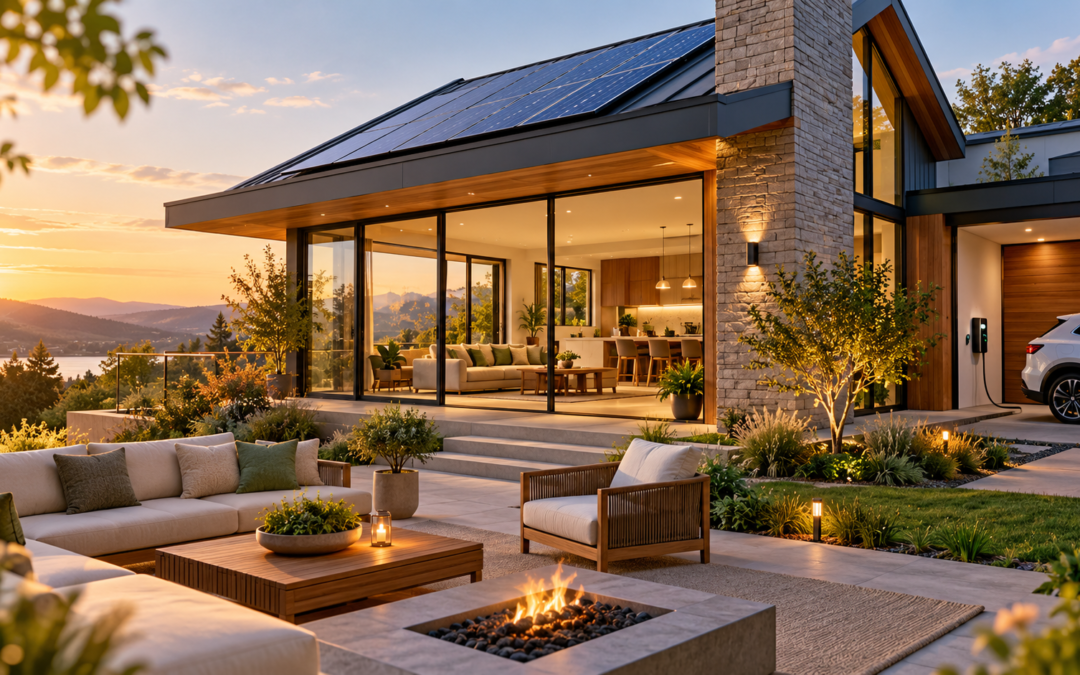
When people start planning a new home, they usually think about the kitchen first. Or the number of bedrooms, the front of the house, the size of the living area.
But there’s another question worth asking: is your new home being designed only for today, or for the years ahead?
A home can look perfect the day it’s finished. What matters is whether it still works just as well five, ten or fifteen years from now.
What Does “Future-Ready” Really Mean?
It doesn’t mean filling your home with the latest gadgets. Most of the time, it simply means a home that stays easy to live in as your needs change.
That could be better natural light, a more practical floor plan, energy-efficient features, flexible rooms, a comfortable outdoor area, or technology that makes daily life a bit easier.
Recent Australian buyer research shows energy efficiency is a big deal. About 77% of surveyed buyers said a thermally efficient home is important to them. So thinking about the future can start with a few simple design choices.
Why Energy Efficiency Matters More Than It Looks
Picture two homes that look almost the same from the street. One just looks impressive. The other is also comfortable and cheaper to run. Most people would pick the second one once they knew the difference.
A well-planned home uses orientation, insulation, glazing, shading and efficient appliances to stay comfortable and use less energy. These choices aren’t the most exciting part of building. But they are often the ones people appreciate most later, because you don’t just look at your home, you live in it every day.
How Natural Light Changes Everyday Life
Natural light is another thing buyers care about. In recent Australian property research, it ranked among the top features people look for.
It’s easy to see why. Think about waking up in a room with soft morning light. Or a living area that stays bright all day without needing the lights on.
The position and size of your windows can change how a home feels. The right orientation can make even ordinary rooms feel warm and welcoming. And this will still matter long after today’s interior trends are gone.
What Happens When Your Life Changes?
Your home might suit you perfectly today. But think about later. You might start working from home. Your family might grow. Your kids might need more space of their own. You might want a hobby room, or a guest room for visitors.
A flexible floor plan makes these changes much easier. This is why future-focused design isn’t really about building bigger. It’s about making the space you have more adaptable.
Why Outdoor Space Deserves More Attention
Your outdoor area doesn’t have to be something you only see through a window. It can be part of your daily living space.
A covered outdoor area gives you a place to relax, host friends or get some fresh air, whatever the weather. Current Australian research found that weather-protected outdoor space was one of the most important features for people buying new detached homes.
So the backyard shouldn’t be an afterthought. It’s better to plan it as part of the home from day one.
Do You Need Smart Technology Everywhere?
Smart home technology is getting more common. But not every new gadget makes a home better.
A better question to ask is: will this actually improve the way I live?
Security systems, lighting controls and climate management can be really useful when they solve a real problem. But technology should support your home, not make daily life more complicated. Choosing a few smart features that you’ll actually use is usually the better approach.
Building for the Future Can Also Mean Building for Your Budget
A future-ready home doesn’t mean picking every premium upgrade. Good planning actually helps you decide where your money matters most.
Would you rather spend extra on something you use every day? Energy efficiency can give you value over time. A flexible room is often more useful than a formal space nobody sits in. Better storage can also save you from buying extra furniture.
These choices are what separate a house that’s just built from a home that truly works for you.
Where Granton Homes Fits In
When you explore a new home with Granton Homes, don’t stop at “What does this design look like?”
Also ask: “How will this home work for me in the future?”
Think about whether the layout can handle changes in your lifestyle, whether rooms can serve more than one purpose, whether the home stays comfortable through every season, and whether the design lets you enjoy both indoor and outdoor living.
These questions help you look at a home with a longer view.
Is It Really About the Future?
Maybe not. It’s really about making your home work better today.
The choices you make during the design stage affect how comfortable, practical and enjoyable your home feels for years to come.
Australian buyers are also becoming more careful. Research shows people are spending more time comparing options and looking closely at quality, value and trust.
So instead of only asking whether a home looks good today, it’s worth asking whether it will still make sense tomorrow.
Final Thought
If you were building your home today, would you design it around the life you have right now? Or would you make a few decisions with the next 10 or 15 years in mind? The smartest home you can build is the one that still feels right even after your life has changed.