
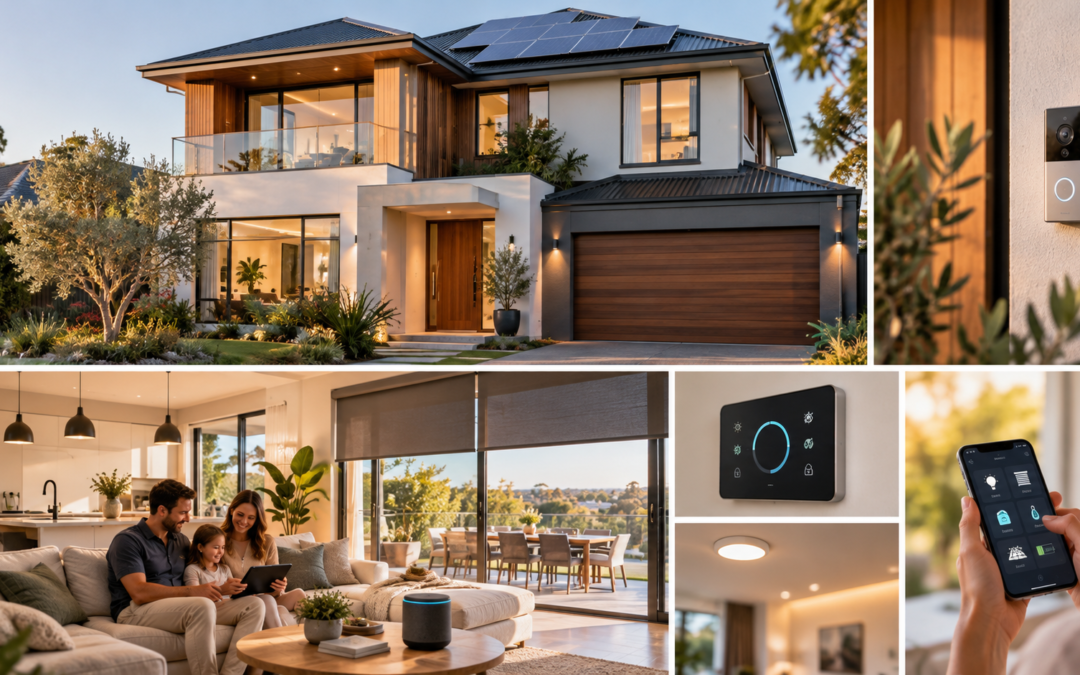
Would you pay extra to control your lights, security cameras and air conditioning from your phone? Smart home technology is becoming an interesting option for people planning a new home in Australia. But is it really worth the additional cost, or are some features more impressive than useful?
The answer depends on your lifestyle, budget and the technology you choose. Some features can make daily routines easier, while others may add complexity without providing much practical value.
If you are exploring home designs with Granton Homes, here are eight questions worth asking before deciding which smart features to include.
What Does a Smart Home Actually Mean?
Does a smart home need to be filled with expensive technology?
Not necessarily. A smart home simply uses connected devices to help manage certain household functions. These might include lighting, heating and cooling, security cameras, door locks or energy monitoring.
Some systems let you control devices through a mobile app, while others support voice commands or automatic schedules.
For example, you could set outdoor lights to turn on at a particular time or check a compatible security camera while you are away.
Before choosing any system, think about which everyday tasks you would genuinely like to make easier. Starting with a few useful features can be more practical than installing technology in every room.
Which Smart Home Features Are Actually Useful?
With so many products available, how do you decide which ones deserve a place in your new home?
Start with the features that solve a real problem.
For some households, smart lighting may offer convenience. Others may value security cameras, video doorbells, smart locks or controls that help manage heating and cooling.
Energy monitoring can also help you understand electricity use, although monitoring alone does not guarantee lower bills.
Ask yourself how often you would use each feature and whether a simpler alternative could do the same job.
When planning your home with Granton Homes, consider discussing where smart features could be incorporated into the design and electrical plan. Confirm which options are available for your particular project rather than assuming every device can be included.
Can Smart Home Technology Help Reduce Energy Bills?
Would a smart thermostat or automated lighting system automatically make your home more energy efficient?
Not by itself.
Smart controls may help you manage heating, cooling and lighting more carefully. For example, schedules can reduce unnecessary use when certain rooms are empty.
However, the result depends on how the system is configured, how your household uses energy and the efficiency of the appliances and building itself.
Insulation, suitable windows, shading and good home orientation remain important parts of an energy-conscious design.
Before spending money on smart technology, consider the basics first. Ask which improvements could make your home comfortable and efficient even when you are not using an app to control it.
Is It Better to Install Smart Features During Construction?
Could adding smart home technology during construction be easier than installing everything later?
In some cases, yes. Planning electrical points, suitable wiring, network coverage and device locations early may make installation more straightforward.
However, not every smart device requires special wiring, and the best approach depends on the system you choose.
Think about where you might want smart switches, sensors, cameras, doorbells and internet equipment. You should also consider whether the home will have reliable Wi-Fi coverage in the areas where devices need to operate.
Before construction begins, ask which features need to be planned in advance and which can be added later.
This can help you avoid paying for equipment before you understand what your home actually needs.
Will Your Smart Devices Work Together?
Have you ever bought two devices only to discover that they do not work well together?
The same problem can occur with smart home products.
Some devices depend on particular apps, communication standards, hubs or subscriptions. Others may offer only limited compatibility with products from different brands.
Before purchasing equipment, check whether the devices can work together through the system you plan to use.
It is also worth asking whether the system can be expanded later. You may want to add new lighting controls or security devices in the future without replacing everything you already own.
Choosing compatible products from the beginning can make your smart home easier to manage over time.
Are Smart Locks and Security Cameras Worth the Cost?
Would you feel more comfortable checking your front door or viewing a security camera from your phone?
For some homeowners, these features provide useful convenience. A compatible video doorbell may let you see who is at the entrance, while smart locks can offer alternative ways to manage access.
But these devices also require careful consideration.
Check how the system protects your account, how software updates are provided and what happens if your internet connection or power supply fails. Understand whether a subscription is required to access particular features or recordings.
Smart technology should support your home security, not replace sensible security practices.
Before choosing a product, compare its practical benefits with its purchase price, ongoing costs and limitations.
Will Smart Home Features Increase Your Property’s Resale Value?
Here is a question many buyers may overlook: if you spend more on smart technology today, will you recover that money when you sell the property?
There is no guarantee.
Some buyers may appreciate modern security features and convenient controls. Others may care more about the home’s location, land size, layout, condition and overall construction quality.
Technology can also become outdated, and some systems may be difficult for a new owner to use if they depend on your personal account or a particular subscription.
Instead of choosing upgrades solely for resale, prioritise features that improve your own experience of living in the home.
If resale matters to you, consider familiar, practical and easy-to-operate systems rather than highly specialised technology that only a small group of buyers may want.
What Should You Ask Before Adding Smart Technology to Your New Home?
Before approving any smart home upgrades, take time to understand what you are paying for.
Ask these questions:
- What is the full installation cost?
- Are there ongoing subscription or maintenance fees?
- Will the devices work if the internet goes down?
- Can the system be expanded or upgraded later?
- Will the products work with devices from other manufacturers?
- Who will configure the system and explain how to use it?
- What privacy and security settings are available?
- Which features are included in the building contract, and which cost extra?
When discussing your plans with Granton Homes, ask the relevant team to confirm the available options, installation arrangements and costs in writing.
This will help you distinguish between features that genuinely suit your household and upgrades that simply look attractive in a brochure.
Final Thoughts: Should You Build a Smart Home or Keep Things Simple?
Smart home technology can make some everyday tasks easier, but it is not essential for every household.
The best approach is to begin with your needs. Think about security, comfort, energy management and convenience before deciding how much technology to add.
Whether you are comparing home designs or planning a new build with Granton Homes, consider how each feature will fit into your routine, what it will cost and whether you can maintain it over time.
Before spending extra on smart home upgrades, ask yourself one final question: Will this technology make everyday life easier, or will it simply give me another system to manage?
A thoughtful answer can help you choose features that offer practical value without stretching your building budget unnecessarily.
Note: Smart home compatibility, installation requirements and costs vary by product and project. Confirm specifications and arrangements with your builder and relevant technology providers before committing.