
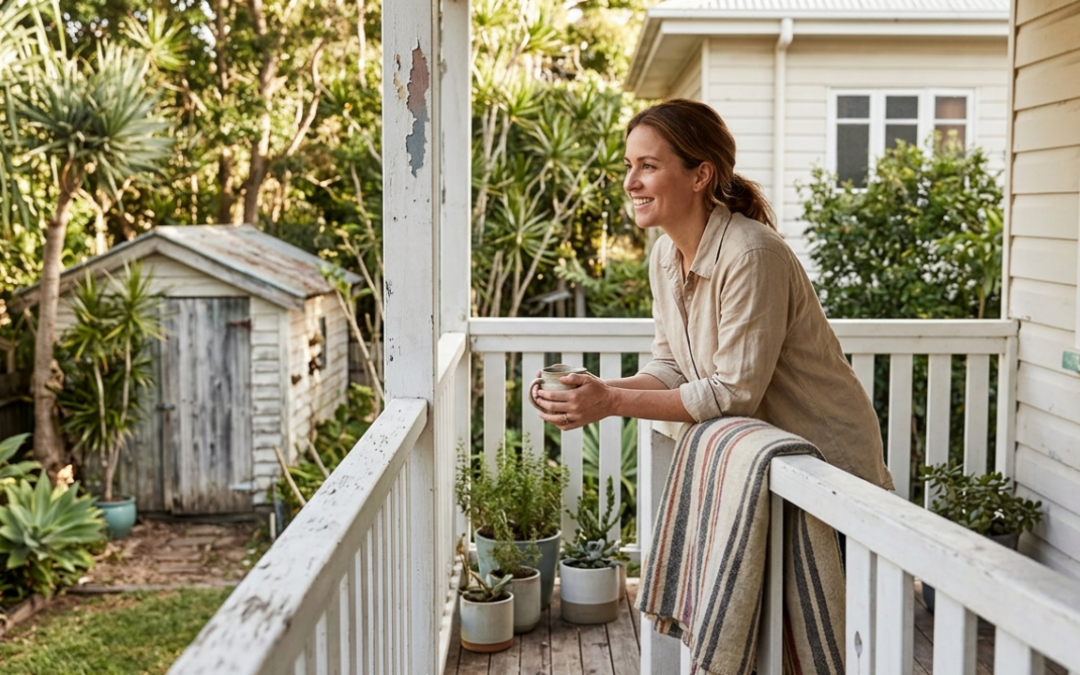
For a long time, the idea of a dream home carried a very specific meaning for most people. Something large, beautifully finished, filled with high-end upgrades, and looking like it belonged in a magazine. Perfection was the goal — or at least the closest thing to it that money could buy. But that idea is quietly changing across Australia.
More and more people are starting to realise that a dream home does not need to be flawless to feel right. It does not need to be the biggest, the most expensive, or the most impressive. It just needs to work well for the life you are actually living. And that shift in thinking is becoming more common every single year.
What People Care About Changes as the Process Goes On
Most people begin their home journey focused heavily on how things look. A kitchen that makes a statement. A bathroom that feels luxurious. Finishes that look polished and impressive. Those are the things that grab attention first — and understandably so, because they are the most visually exciting parts of the process.
But something tends to happen after people spend real time researching, visiting homes, and thinking seriously about what they actually need. The priorities shift.
Comfort starts to matter more than aesthetics. Practicality becomes more important than impressiveness. People start thinking about how the home will feel on an ordinary Tuesday morning, not just how it will look in photos. And once that shift happens, the kind of home they are drawn to often looks quite different from what they started with.
Financial Pressure Is Changing What People Value
A big part of this mindset shift comes down to financial reality. Building or buying a home today is a serious financial commitment, and most people are very aware of what that means for their life over the next ten, fifteen, or twenty years.
Larger repayments, higher living costs, rising construction expenses — all of it adds up. And when people sit with those numbers honestly, many of them start questioning whether stretching the budget to achieve a picture-perfect home is actually worth the pressure it creates.
The answer, for a growing number of Australians, is no. A manageable budget, lower financial stress, and a home they can comfortably afford to own long-term is starting to feel far more valuable than an impressive home that keeps them feeling tight every month.
That is not settling. That is making a genuinely smart decision.
Simpler Homes Often Feel Better to Actually Live In
Here is something that surprises a lot of buyers once they have been in their home for a while. The features that seemed most exciting during the planning stage are not always the ones that make the biggest difference to daily life.
What actually shapes how comfortable and enjoyable a home feels tends to be the quieter, more practical details. Good natural light that makes the main living areas feel warm and alive throughout the day. Storage that is actually in the right places so things have a home and the space stays organised. Airflow that keeps the home comfortable without needing to rely entirely on air conditioning. A layout that just flows naturally and makes moving through the home feel easy.
None of these things are glamorous selling points. But they are the things people notice and appreciate every single day — and that consistency adds up to a lot over time.
What Social Media Gets Wrong About Dream Homes
Online home content has played a significant role in shaping how people think about what their home should look like. Perfectly styled interiors, luxury upgrades in every room, spaces that look effortlessly beautiful from every angle — it is everywhere, and it sets a standard that feels aspirational but is rarely grounded in reality.
What that content almost never shows is how those homes actually feel to live in. The maintenance they require. The cost of keeping them looking that way. The practical compromises that were made to achieve the visual effect. The rooms that photograph beautifully but feel awkward in everyday use.
More Australians are becoming aware of that gap between online presentation and real-life experience. And as they do, they are making more honest and more grounded decisions about what they actually want their home to be.
The Small Details That Matter More Than Expected
Many buyers only fully appreciate this after they start visiting homes in person rather than just looking at them online. The practical details that seemed minor on paper start to reveal their real importance once you are actually standing in a space.
How light moves through the rooms at different times of day. Whether there are quiet areas where you can properly relax. How the rooms connect to each other and whether the flow feels natural. Whether the layout actually suits the way your household operates day to day.
These details consistently matter more over the long term than any trendy upgrade or design feature. And once people experience that firsthand, it tends to permanently change what they look for in a home.
More People Want Less Pressure, Not More Space
There is also a broader lifestyle shift happening that goes beyond just floor plans and finishes. A lot of Australians are actively moving away from the idea of constantly chasing more — more space, more features, more upgrades — and toward something that feels calmer and more sustainable.
A home that is easy to maintain. A home that does not demand constant attention or money. A home that supports a quieter, more settled way of living rather than adding complexity to an already busy life.
That kind of home is becoming genuinely desirable in a way it perhaps was not before. And more buyers are actively seeking it out.
What People Are Trying to Avoid
Buyers today tend to be more self-aware about the mistakes that lead to regret. They are trying not to overstretch financially in pursuit of a home that looks impressive but creates ongoing stress. They are being more cautious about following social media trends that do not actually reflect how they live. They are asking harder questions about whether certain upgrades will genuinely improve their daily experience or just their listing photos.
And they are trying to keep the process itself from becoming overwhelming — recognising that the stress of building a home should not overshadow the excitement of it.
What Australians Are Actually Looking For Today
When you look at what buyers are genuinely prioritising right now, a clear picture emerges. Homes that feel comfortable and calm to live in. Spaces that support everyday routines without adding complications. Designs that remain financially manageable over the long term. Homes that create less pressure — financially, practically, and emotionally — rather than more.
That is what a dream home looks like to a growing number of Australians in 2026. And it is a far healthier definition than the one most people started with.
Final Thought
The dream home is evolving — and it is evolving in a genuinely positive direction. For more and more Australians, the goal is no longer perfection. It is finding a home that feels right for their actual life. Practical, peaceful, comfortable, and sustainable over the long term.
That shift does not represent lowered expectations. It represents a more honest and more mature understanding of what makes a home truly good to live in.
Because a home that brings you comfort and calm every single day — without stretching you financially or demanding more than you want to give — is worth far more than any perfectly styled room that looked great on a screen.
That is the kind of home Granton Homes is focused on helping people build. Thoughtful, liveable, and designed around real life — because that is what genuinely makes the difference in the long run.