
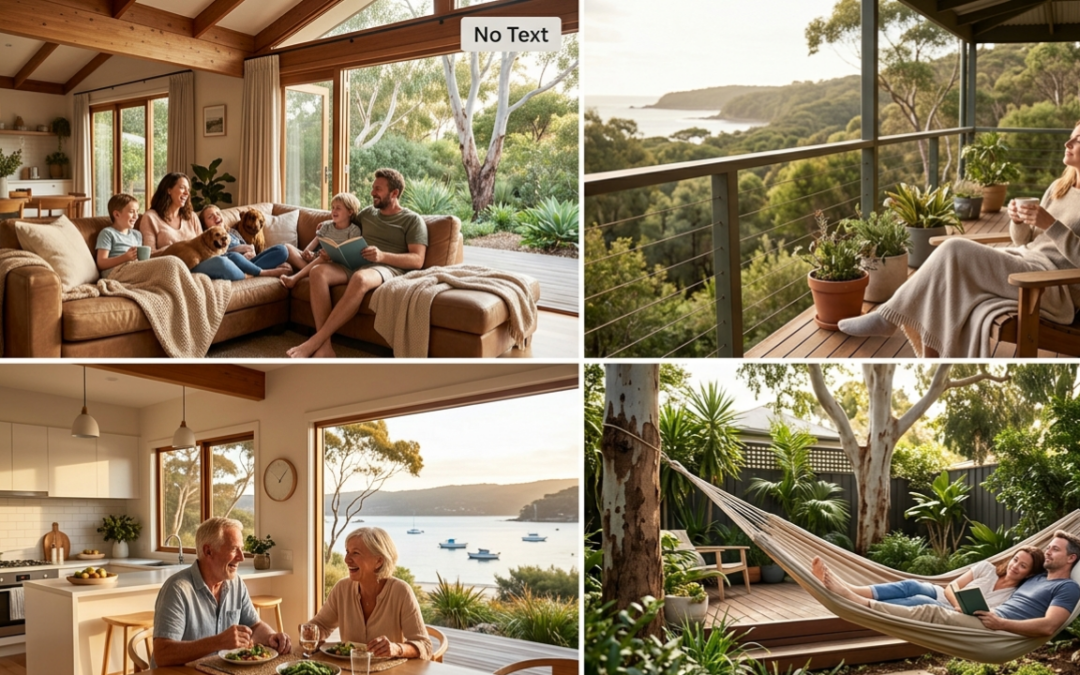
For a long time, owning a large home was considered one of the clearest signs of success. The bigger the space, the more modern the design, the more impressive the upgrades — the better. That was the standard a lot of people measured themselves against, and it shaped the decisions many Australians made when it came to buying or building.
But that thinking is changing. Quietly, gradually, and quite noticeably. More people are stepping back from the idea of always wanting more and focusing instead on something that actually has a bigger impact on their daily life — simply feeling less stressed. And in today’s environment, that shift is not hard to understand at all.
What Rising Costs Are Doing to People’s Priorities
A large part of this change comes down to money — specifically, how much pressure people are feeling financially right now. Building or buying a home in Australia today is not a light commitment. Repayments are higher than they were a few years ago. Interest rates have added to the monthly burden. Utility bills have gone up. Maintenance costs on larger properties add another layer of ongoing expense that many people underestimate until they are actually living with it.
When people sit with all of that honestly, the question starts to shift. A bigger home might look great on paper, but if owning it means feeling financially stretched every single month, is it actually improving life — or just adding to the pressure?
For a growing number of Australians, the honest answer to that question is changing the kinds of homes they choose to pursue.
Comfort Is Starting to Matter More Than Appearances
Something else that is clearly shifting is what people actually pay attention to when they look at homes. The focus that used to go almost entirely toward how a home looks is now being shared with something more important — how a home actually feels to live in.
Buyers are asking about comfort. They are thinking about functionality. They want to know whether the layout makes daily life easier or more complicated. They are paying attention to whether the space feels calm and manageable or overwhelming and demanding.
These are different questions from the ones that used to drive most home decisions. And they tend to lead to very different — and very often better — outcomes.
Why Practical Homes Are Winning People Over
There is a reason more Australians are gravitating toward homes that are well-designed rather than simply large. Practical homes — ones with smart layouts, good natural light, organised storage, and spaces that are appropriately sized for how people actually live — tend to feel genuinely better on a day-to-day basis.
They are easier to keep on top of. They cost less to run and maintain. They feel calm rather than chaotic. And they do not create the constant background noise of needing more time, more money, and more energy just to keep up with them.
A home that works with your life rather than against it creates a very different experience. And once people understand that, it tends to permanently shift what they are looking for.
The Gap Between Social Media and Real Life
Online home content has spent years presenting a very appealing but not always honest picture of what homes should look like. Large, perfect, beautifully styled spaces seem to be everywhere — and they create a subtle but real pressure to match that standard.
What that content almost never addresses is the reality behind those images. The financial strain of building or maintaining something that elaborate. The ongoing maintenance demands of larger, more complex homes. The lifestyle trade-offs that come with prioritising appearance over practicality.
More Australians are waking up to that gap. They are starting to question whether the standard set by social media actually has anything to do with what will make their own life better. And increasingly, the answer they are arriving at is no — it does not.
That awareness is pushing people toward more grounded and more personal decisions about what they actually need in a home.
The Small Things That End Up Mattering Most
One of the most consistent discoveries people make when they start visiting homes in person rather than just looking at them online is how much the quiet, practical details shape the experience of living somewhere.
The way light moves through a room throughout the day. Whether the airflow keeps the home comfortable naturally. How the rooms connect to each other and whether movement through the space feels easy and intuitive. Whether there are genuinely quiet areas where you can properly switch off after a full day.
None of these things look particularly exciting in a brochure. None of them are likely to trend online. But they are the things that shape how you feel in your home every single day — and over months and years, that adds up to something that matters enormously.
Peace of Mind Is Being Recognised as Genuinely Valuable
There is also a broader shift in values happening that goes beyond practical considerations. More Australians are starting to place real importance on peace of mind — not just as a nice idea, but as something that meaningfully affects quality of life every day.
A home with repayments that feel manageable. A property that does not demand constant maintenance attention. A space that feels settled and calm rather than overwhelming. These things create a very different daily experience than a home that looks impressive but keeps you feeling stretched and pressured.
Financial stability, lower ongoing costs, and the mental freedom that comes from not being house-poor — more people are recognising these as priorities worth building a decision around. Not compromises, but genuine goals.
What Buyers Are Working Hard to Avoid
People going into the home building or buying process today tend to be more aware of the common mistakes than previous generations were. They have seen what happens when budgets get stretched too far in pursuit of something impressive. They understand the risk of paying for upgrades that look great but add little to everyday life. They are more cautious about letting social media comparisons drive decisions that should be based on personal needs and circumstances.
That self-awareness is making a real difference. Buyers who go in with a clear sense of what they actually need — and what they want to avoid — tend to end up in homes they feel genuinely happy with for a long time.
What People Are Actually Looking For in 2026
When you look honestly at what Australian buyers are gravitating toward right now, the picture is fairly consistent. Homes that feel practical and easy to live in. Spaces that support daily routines without adding stress or complication. Designs that remain financially comfortable to own over the long term. Properties that create a sense of calm rather than a sense of constant pressure.
That is the standard more people are holding their decisions to. And it is a far better standard than trying to build the most impressive home you can justify on paper.
Final Thought
The way Australians think about homes is shifting in a meaningful and genuinely positive direction. The idea that a bigger, more expensive home is automatically the better choice is being replaced by something more honest — the recognition that the best home is the one that actually makes your life feel better.
Comfortable, practical, financially manageable, and easy to live in day after day. That is what more people are looking for. And that is what tends to create the kind of long-term satisfaction that an impressive but stressful home rarely delivers.
Because at the end of the day, a home should reduce the pressure in your life — not add to it. A home that gives you genuine peace of mind, fits comfortably within your means, and works well for the way you actually live is worth more than any amount of luxury upgrades ever could be.
That is the philosophy that Granton Homes brings to every project. Helping Australians build homes that are designed around real comfort, real liveability, and a lifestyle that actually feels good to live — not just one that looks good from the outside.