
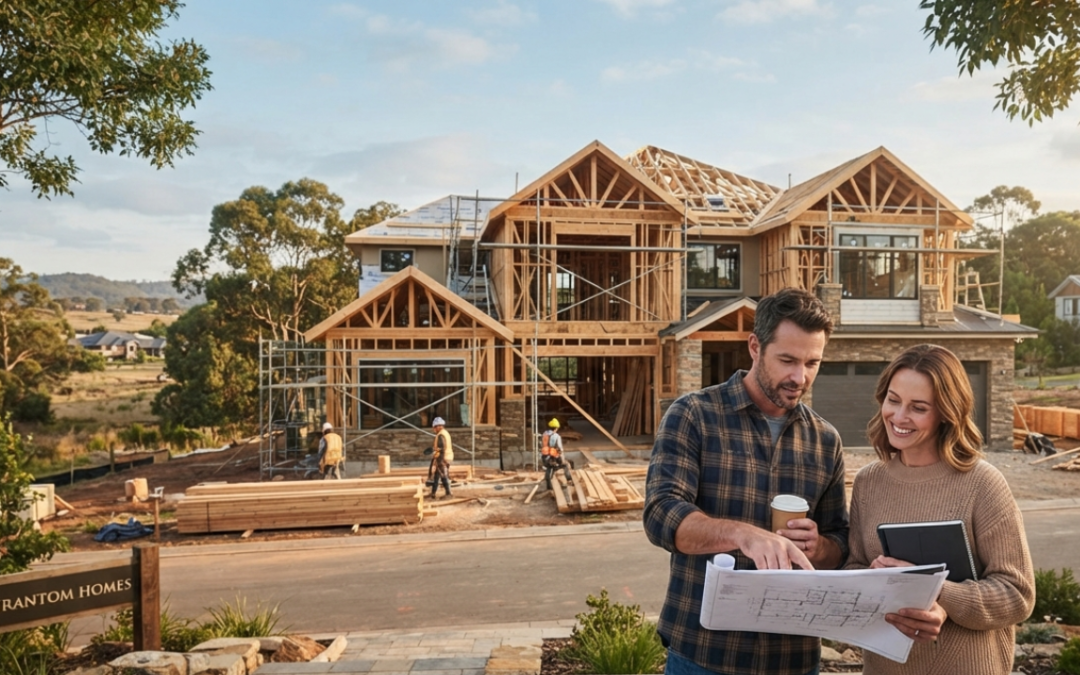
“How much is it going to cost?”
That’s usually the first question anyone asks when they start planning a new home. Sounds simple enough, right? But if you’ve spent any time actually researching home building, you already know the real answer is a bit more complicated than a single number.
The house itself is just one piece of the puzzle. Land conditions, approvals, the choices you make along the way, any extra work outside the house, and even how construction costs shift over time all of this plays into what you actually end up paying.
That’s exactly why having a realistic budget matters just as much as picking the right floor plan.
So if you’re looking into Granton Homes, or weighing up a few different Australian builders, it helps to understand what actually goes into your total cost not just the sticker price.
The Advertised Price Is Just Where You Start
A builder’s advertised price is a good starting point for comparing your options. But it’s not the whole story, and it definitely shouldn’t be mistaken for the final cost of your home.
You need to dig a little deeper and understand what’s actually included and just as importantly, what isn’t.
Depending on your project, you might also need to budget for things like:
- Site preparation
- Driveway and other external work
- Landscaping
- Flooring and finishes
- Appliances
- Window coverings
- Any extra design touches you want
- Moving costs
Here’s the big one to remember: just because you saw something in a display home doesn’t mean it’s automatically part of your standard package. Always check.
Your Block of Land Changes Things
Here’s something a lot of people don’t think about the exact same house design can cost different amounts depending on the land it’s being built on.
A sloping block, tricky access, or unusual soil conditions can all mean extra planning or site work that you weren’t expecting.
That’s why it makes more sense to think of the house and the land as one combined project, rather than treating the construction price as the only figure that counts.
Approvals Take Time Plan For It
Getting the right planning and building approvals sorted is another piece homeowners need to wrap their heads around.
Australia has seen plenty of discussion lately about how planning requirements and approval processes can slow things down and add cost to development projects.
The practical takeaway for you as a homeowner? Simply ask what approvals you’ll need and when they need to happen. Getting a clear picture early makes it a lot easier to plan your timeline realistically.
Construction Costs Aren’t Always Fixed
The construction industry in Australia has gone through some tough stretches when it comes to material, fuel, and labour costs.
Reports have shown how these rising costs can put pressure on both builders and homeowners during a project.
Now, that doesn’t mean your build will automatically cost more than expected. But it does mean you should know exactly what your contract covers and which situations could lead to additional charges down the line.
Watch Out for Upgrade Creep
The selection stage is honestly one of the easiest places for a budget to quietly spiral.
You start with a simple, straightforward plan. Then you spot a nicer kitchen finish. Then better flooring catches your eye. Then you’re eyeing different bathroom fittings too.
On their own, each of these choices feels small and manageable. Add them all up, though, and they can make a real dent in your budget.
Before saying yes to an upgrade, ask yourself one honest question: will this actually improve my day-to-day life?
If yes it’s probably worth prioritising. If it’s more about looking good than being useful, think about whether it should really come before things you actually need.
Always Keep a Buffer
One of the smartest things you can do is avoid planning a budget with zero breathing room.
A buffer gives you the flexibility to handle a surprise expense without it throwing your whole financial plan off balance.
This isn’t about assuming something will go wrong. It’s just common sense for a project that has this many moving parts.
Ask Your Builder the Right Questions
If Granton Homes is on your shortlist, don’t stop at asking about the floor plan and the starting price. Dig into the full process.
Some good questions to ask:
- What exactly is included in the quoted price?
- Which costs depend on my specific site?
- What features are optional?
- How are variations handled if something changes?
- What happens if circumstances change during the build?
- What costs should I plan for outside the actual construction contract?
- What does the handover process look like?
The clearer your understanding of these answers, the easier it becomes to fairly compare one builder against another.
Final Thoughts
Building a home is one of the biggest financial decisions you’ll make. The goal here isn’t to chase the lowest advertised price it’s to understand the full cost, the full process, and what to realistically expect before you sign anything.
If Granton Homes is on your radar, take the time to properly understand the inclusions, the site-specific requirements, any potential extra costs, and the contract conditions.
A good budget doesn’t need to predict every single dollar perfectly. It just needs to give you a realistic picture of the project along with enough flexibility to make smart decisions as you go.
Frequently Asked Questions
Why can the final cost of a home end up different from the advertised price?
The advertised price often doesn’t cover every site-specific cost, upgrade, external work, or extra expense tied to your particular property.
Can the block of land really affect construction costs?
Yes, definitely. Things like site conditions, access, and slope can all influence how much extra work your build actually needs.
Should I put my whole budget into the house itself?
Not really it’s smarter to leave some room in your budget for unexpected costs and expenses that come up around construction and moving.
What should I ask a builder before I sign anything?
Ask about what’s included, what’s excluded, how variations are handled, site costs, payment stages, timelines, and what happens if things change along the way.