
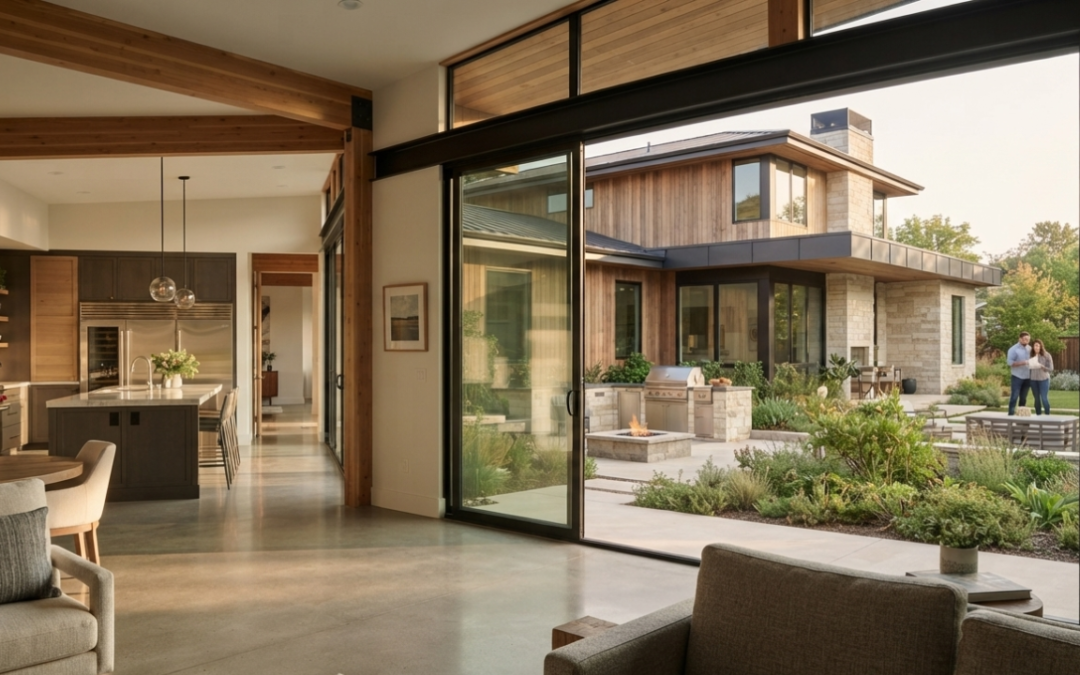
If you’ve ever built a home, you’ll know there’s something new to learn at almost every step. In the beginning, everyone gets caught up in the fun stuff picking a design, browsing kitchens, comparing finishes, and picturing the day they finally get the keys. But once the house is actually built and lived in, most homeowners will tell you about something else entirely: the small, practical decisions they wish they’d thought through a bit more.
So if you’re planning a build, one of the most useful questions you can ask someone who’s already been through it is simple:
“If you could start again, what would you change?”
Your Floor Plan Might Feel Different Once You’re Living In It
A floor plan can look perfect on paper.
But measurements and lines don’t always tell you how a space is actually going to feel once you’re in it. Where your furniture sits, how you walk through a room, where the doors and windows land all of that changes how a space works in real life.
Before you lock anything in, try picturing your own furniture inside the plan. Where would the sofa actually go? Could two people move around the kitchen at the same time without bumping into each other? Once everything’s in place, will the room still feel open, or a bit tight?
These are the kinds of questions that often bring up issues you wouldn’t have noticed just by looking at a drawing.
You’ll Probably Wish You Had More Storage
An empty house feels huge.
Then you move in and suddenly there are boxes, clothes, appliances, cleaning supplies, tools, and everything else that comes with daily life.
That’s why it’s worth giving storage more thought early on. Think about what you already own, and what you’re likely to collect over the next few years. A bit of extra storage space often ends up being far more useful than another decorative touch.
Power Points Matter More Than You’d Think
It sounds like a minor detail. It isn’t.
Think about where you actually charge your phone, use your laptop, plug in kitchen appliances, set up the TV, or work at a desk. A power point in the wrong spot becomes an everyday annoyance you’ll notice for years.
Planning these around how you actually live not just where they “fit” on the plan makes a real difference to how practical your home feels day to day.
Don’t Overlook the Outdoor Space
Most of the planning energy goes into the house itself. But the outdoor areas end up playing a big part in everyday life too. Think about where you’ll:
- Entertain friends and family
- Store outdoor gear and equipment
- Park vehicles
- Let the kids play
- Garden or just relax
Your outdoor space should work with how you actually live not just look good in the plan.
The Cheapest Option Isn’t Always the Best Value
Budget matters, of course. But if every decision is made purely on lowest price, you can end up with compromises that annoy you for years to come.
A better question to ask yourself is:
“Will this choice actually add value over the next several years?”
Some upgrades genuinely make everyday life easier. Others just look impressive when you’re standing in the selection studio. Knowing the difference helps you spend your budget where it really counts.
The Building Experience Matters Just as Much as the House
A home build involves a lot of back-and-forth confirming plans, making selections, asking questions, waiting on answers.
So when you’re comparing builders, don’t just ask about the house itself. Ask about what the process is actually like to go through. Some good questions to raise:
- Who will be my main point of contact?
- How will I get progress updates?
- How are changes handled once building starts?
- When do key decisions need to be made?
- What does handover actually look like?
Knowing what to expect upfront makes a long project a lot less stressful.
What About Down the Track?
A home isn’t just for the next year your life is going to change around it. You might end up working from home more, having kids, needing more storage, or simply wanting different things than you do now.
A flexible design makes it much easier for your home to adapt as life changes, without needing a major renovation to keep up.
Ask a Different Question
Instead of just asking “what do I want in my new home?” try asking:
“What will actually make everyday life easier?”
That small shift in thinking can change how you plan the whole build. You might find yourself choosing storage over decoration, practical layouts over passing trends, and flexibility over features that just look good on the day.
Final Thoughts
There’s no such thing as a perfect build every homeowner has different priorities, budgets, and circumstances to work with.
But learning from people who’ve already been through it can help you dodge some of the common mistakes. And often, the most useful advice isn’t about which colour or finish to pick it’s about the small, practical decisions you only really appreciate once you’re living in the house.
A Few Common Questions
What do homeowners usually wish they’d planned better?
Storage, power point placement, furniture layout, lighting, and practical room design are the things people tend to look back on.
Should I prioritise looks or function?
Ideally both work together but functionality is usually what makes the biggest difference to your day-to-day life in the long run.
How can first-time builders learn from others?
Ask people what actually surprised them during their build, and what they’d change if they had to do it all again.
Join the Conversation
If you’ve already built a home if you could go back and change just one decision, what would it be? And if you’re planning a build right now what’s the one thing you’re still unsure about?