
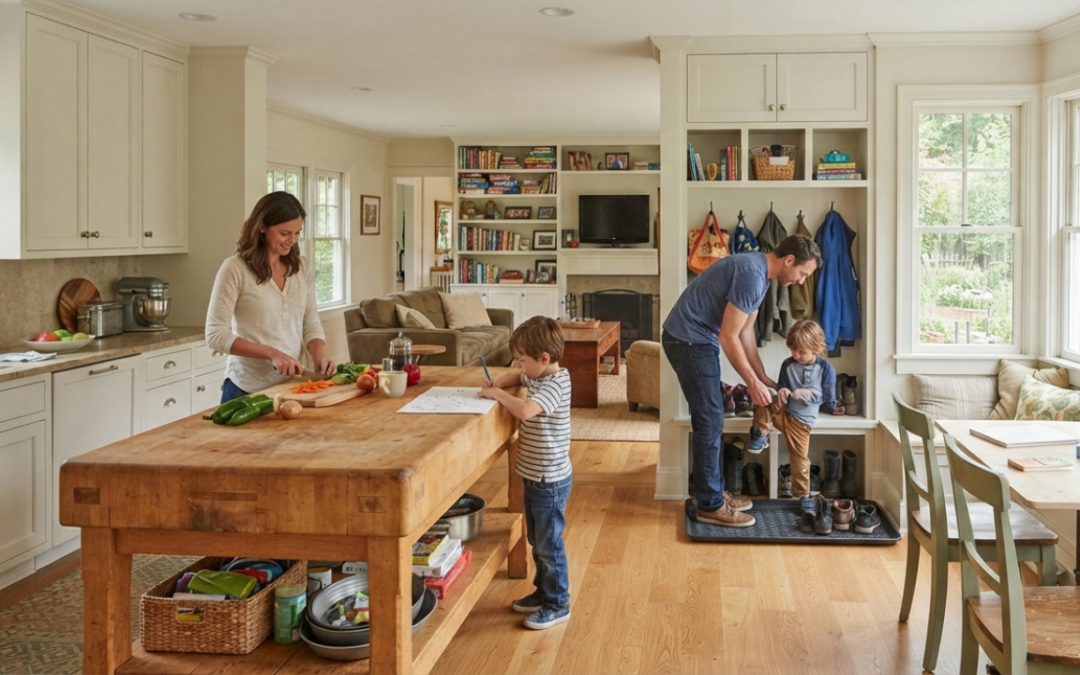
When most people picture their dream home, they think of grand entrances, designer kitchens, and interiors straight out of a magazine. Those things are exciting, sure, but they’re rarely what makes a home genuinely enjoyable to live in five or ten years down the line.
The homes that actually stand the test of time are usually built around everyday life, not around how impressive they look the first time you walk in.
If you’re comparing builders, including Granton Homes, it’s worth looking past the trends and focusing on what actually makes daily living easier.
The Difference Between a Beautiful House and a Comfortable Home
A beautiful house catches your eye. A comfortable home makes your life easier every single day. And that difference usually comes down to a handful of practical design choices: Is there enough storage for a growing family? Does the kitchen actually give you room to work? Does natural light reach the rooms you spend the most time in? Is there enough privacy between bedrooms?
None of these questions sound exciting, but they’re the ones that quietly shape how much you enjoy living in your home.
A Common Mistake: Choosing Features You’ll Rarely Use
A lot of first-home buyers get pulled in by the luxury upgrades — a big feature wall, an oversized alfresco area, statement lighting fixtures. They look great in photos, no doubt. But before saying yes to any of them, it’s worth asking one honest question: will this actually improve how I live day to day?
Instead of picking upgrades because they’re trending, it makes more sense to pick the ones that genuinely suit how you live.
Why Lifestyle Should Lead Every Decision
Every family lives differently. Some people work from home and need a proper office setup. Others love hosting and want an open kitchen-living flow. Some families need more storage than most; others would rather have a bigger backyard.
That’s exactly why there’s no single “perfect” floor plan for everyone. The best home design is the one built around your routine — not a generic template that’s supposed to work for everybody.
Questions Worth Asking Before You Build
Whether you’re comparing Granton Homes with other builders or just starting to explore your options, it helps to ask the practical questions early on: What’s actually included in the standard package? Can the floor plan be customised to fit your needs? How will you get progress updates once construction starts? Which upgrades genuinely add long-term value, and which are just nice-to-haves? What can you do now to future-proof the home?
The answers to these usually tell you far more than a walkthrough of a display home ever could.
Think Five Years Ahead
It’s easy to design a home around what you need right now. The smarter move is designing for what you might need later. Will your family grow? Could your work situation change? Will you need more storage down the line? Could that spare room become a home office or a guest room when the time comes?
Thinking this through early can save you from a costly renovation a few years in.
Why Planning Creates Better Homes
The building experiences that go smoothly almost always come down to one thing: good preparation. Taking the time to understand the process, weigh your options, and ask the right questions upfront usually means fewer surprises once construction actually begins. A bit of extra planning at the start makes the whole journey a lot smoother.
Final Thoughts
A dream home was never really about expensive finishes or whatever’s trending this year. It’s about how well the home supports your everyday life.
If you’re considering Granton Homes, take a step back from the aesthetics for a moment and think about functionality, long-term comfort, and how your family actually lives day to day.
Chances are, years from now you won’t remember the exact colour of your splashback. But you’ll definitely remember whether your home made everyday life easier.
Frequently Asked Questions
What should I prioritise when building a new home?
Focus on functionality, storage, natural light, flexible spaces, and a layout that actually fits how your family lives day to day.
Why is future planning important when designing a home?
Because your family’s needs will change over time. A flexible design keeps your home practical for years, without forcing you into major renovations later.
Should I choose upgrades based on trends?
Not necessarily. It’s better to prioritise upgrades that add real comfort and everyday value over ones that just look good right now.
Join the Discussion
If you could change one thing about your current home, what would it be? More storage, a better kitchen layout, a proper home office, or just more natural light coming in?
Sometimes it’s the smallest changes that end up making the biggest difference.