
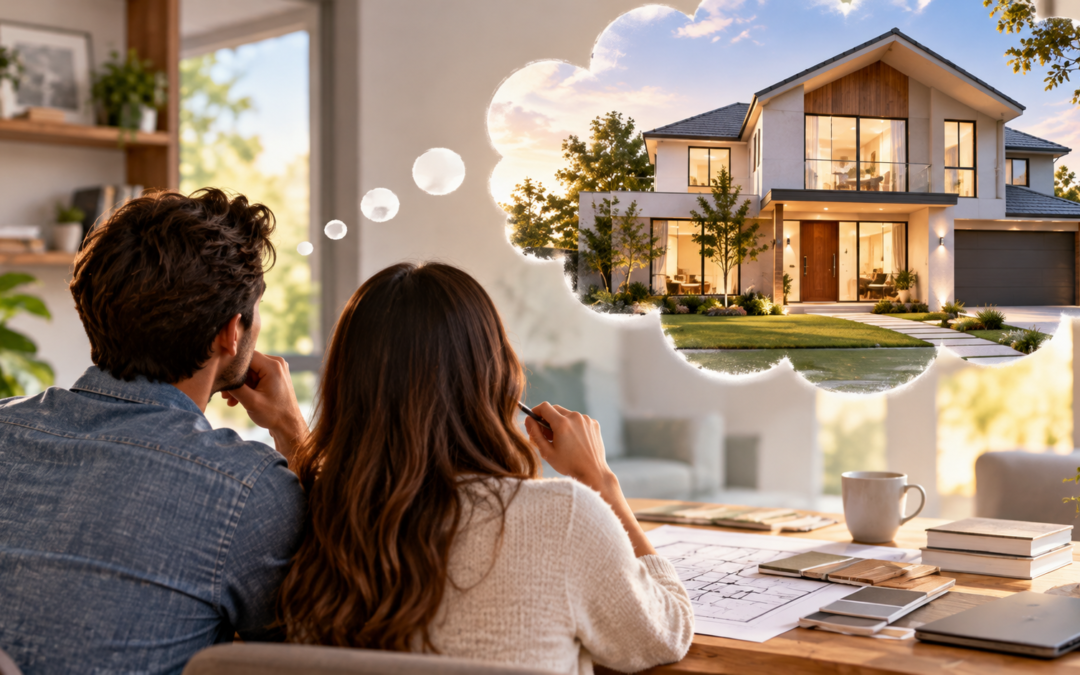
Picture this. You’re standing in the middle of your future home, but it isn’t built yet.
No walls. No furniture. No kitchen appliances. No garden. Just an empty block of land, a plan, and an idea of what your life might look like once it’s all done.
Now here’s a fun thought what if that future home could answer just one question for you?
What would you ask it?
Would you want to know if it’ll still suit your family in ten years? Whether the living room gets enough sun? If the kitchen is actually big enough? Or whether you’ll still love the design once the excitement of moving in wears off?
It sounds like a strange little exercise, but it can genuinely change how you think about building a home. If you’re looking into Granton Homes, it’s also a good way to look past the usual talk about bedrooms, bathrooms, and finishes, and think about what really matters.
“Will You Still Like Me in Ten Years?”
This might be the first question worth asking your future home.
Trends move fast. A colour scheme that feels fresh today can look tired in a few years. Layouts that are popular now fade out, and new ones take over.
But your home doesn’t have to chase every trend that comes along.
A smarter approach is to design around your actual lifestyle, while leaving room for things to change down the line.
So instead of asking “what looks trendy right now,” try asking:
“Will this design still make sense once our lifestyle changes?”
That one question alone can lead to much better decisions.
“Do You Really Need This Much Space?”
On paper, a floor plan can make every room look impressive and spacious.
But bigger isn’t always better.
Would you rather have one huge room you barely step into, or a smaller space that becomes part of your everyday life? Most people would pick the second one once they actually think about it.
This is where your lifestyle should shape the design, not the other way round.
Work from home? A proper workspace probably matters more than an oversized formal lounge.
Love cooking with the family? A functional kitchen beats a fancy but useless feature.
Host guests often? Flexible living spaces will serve you better than one big showpiece room.
The “right” size for a home usually comes down to how the people living in it actually spend their days.
“Where Will Everyone Be at 7 PM?”
This one sounds odd, but it’s genuinely useful.
Think about a normal evening at home. Someone’s cooking dinner. Someone else is watching TV. Another person is on their laptop. The kids are studying or playing. Maybe someone’s out in the backyard.
Now go back and look at the floor plan.
Does it actually let all of this happen without everyone getting in each other’s way?
A house can look stunning on paper and still feel awkward to live in if the layout doesn’t support how a family actually moves and functions in real time. Imagining an ordinary evening tells you more than staring at room labels ever will.
“Where Will the Mess Go?”
Every good-looking home eventually meets real life.
Shoes pile up near the door. Parcels show up. Laundry stacks up faster than you can fold it. The kitchen counter gets taken over by appliances. School bags need a spot. Sports gear needs storage.
None of this means you’re messy it’s just how homes actually work.
A well-thought-out design plans for this instead of pretending it won’t happen. Storage and circulation can matter just as much as the finishes you pick.
When you’re talking to Granton Homes about your new build, it helps to think about where your everyday stuff will actually live not just where the sofa and dining table will go.
“Will the House Understand the Block?”
Every block of land is different. The orientation, shape, slope, access points, neighbouring properties, and local conditions all affect how a house should actually be designed for that spot.
A home shouldn’t just be placed on a block it should respond to it.
Which direction should the living areas face to get the best light? Where can you capture natural sunlight through the day? How can the indoor and outdoor spaces flow into each other? Which parts of the block need more privacy from neighbours or the street?
Asking these questions turns a plain building project into something far more personal and site-specific.
“What Happens When Your Life Changes?”
This might be the most important question on this whole list.
Families change. People start working from home. Kids grow up and need different things. Parents may need more accessible living spaces later on. Hobbies shift. A guest room becomes an office. An office becomes a bedroom.
You don’t need to plan for every possible future that’s impossible anyway. But building in some flexibility is worth it. A room designed for exactly one purpose can become a headache down the line. A room that’s a little more adaptable can grow with you instead of holding you back. It’s worth having this conversation before your floor plan gets locked in.
“What Will You Notice Every Morning?”
Some of the best things about a home have nothing to do with size or flashy features.
Maybe it’s how much sunlight hits the kitchen in the morning. Maybe it’s a window that looks out over the garden. Maybe it’s having a proper spot to make your coffee, or a quiet corner to sit in for five minutes before the day starts.
None of this will ever be the headline feature in a home brochure. But it’s often what shapes how a house actually feels, day after day.
Try walking through your morning routine in your head, from the second you wake up. What would genuinely make those first couple of hours easier?
“Will You Enjoy Coming Home?”
This one’s less about the technical side and more about how a house makes you feel.
A home can tick every practical box and still feel a bit cold or disconnected. The entrance, the lighting, the views, the materials used, how the outdoor space connects with the indoors, and how the rooms are arranged all of it adds up to that feeling of walking in and actually feeling at home.
This is exactly why personal preferences matter so much during the design stage. Granton Homes offers tailored and custom home design options, which means you’re not just picking a plan off a shelf you get to shape it around how you actually want to live.
“What Would You Change If You Could Start Again?”
This is a great question to ask people who’ve already built and moved into their homes.
Not because their answers will all apply to you, but because real, lived-in experience shows you things no floor plan ever will. Some people wish they’d added more storage. Others wish the laundry was bigger. Some say they should’ve spent more time getting the kitchen layout right. You don’t need to copy anyone else’s house. But you can absolutely borrow from what they learned the hard way.
Maybe the Best Question Is Simply “Why?”
Whenever you’re set on a particular feature, stop and ask yourself why you actually want it.
Why a bigger kitchen? Why four bedrooms instead of three? Why this particular façade? Why a huge outdoor entertaining area? Why a home office?
The answer usually tells you what actually matters.
You might realise you don’t need a bigger kitchen you just need smarter storage and a better layout. You might not need a huge home office just a quiet spot where you can actually concentrate.
Digging into the “why” behind a request often leads to a much better solution than the request itself.
A Different Way to Think About Building a Home
Building a home usually gets treated like a checklist.
Pick the block. Pick the design. Pick the finishes. Pick the appliances. Pick the colours. Pick the landscaping.
But it works a lot better as a series of conversations instead:
How do we actually live?
What matters most to us?
What might change down the road?
What does this particular block need?
What will make daily life genuinely easier?
How do we want to feel when we walk in the door?
If you’re exploring Granton Homes, keeping these questions in mind can make the early planning stage feel a lot more meaningful and a lot less like ticking boxes.
Because the goal was never to build a perfect-looking house on paper. It’s to build a home that actually makes sense for the people who’ll be living in it.
Final Thought
So if your future home could answer just one question, what would you ask it? Maybe that one answer tells you more about your ideal home than any brochure or display village ever could. At the end of the day, building a home isn’t just about deciding what it should look like. It’s about picturing the life that’s going to happen inside it. And that might be the most important conversation to have before the first wall ever goes up.