
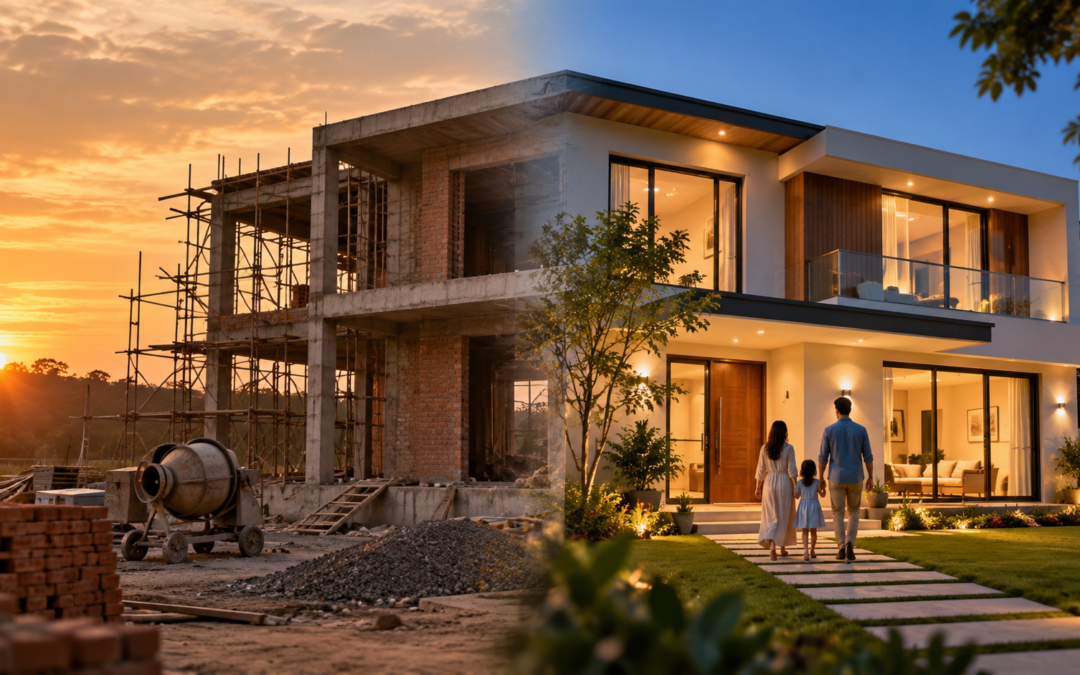
Most people building a new home wait for one big moment the day the construction finally wraps up. Walls are up, kitchen’s in, floors are laid, lights work, everything looks brand new.
But here’s a question worth sitting with: is the home actually finished at that point? Or is that just where a different kind of work begins the slow process of turning a freshly built house into something that actually feels like your home?
If you’re looking into Granton Homes or planning any new build, this is worth thinking about early.
A Finished House Isn’t the Same as a Personal One
A brand-new house can look stunning and still feel a bit like a stranger’s place. That’s normal.
The rooms are bare or filled with furniture that hasn’t been “lived in” yet. There are no photos on the walls. The kitchen hasn’t found its rhythm. The backyard is probably just dirt and grass, waiting for someone to do something with it.
The building is done. The feeling of home isn’t not yet.
Your Personality Doesn’t Move In on Day One
Think about what actually makes a house feel like yours. A shelf full of books you’ve read a dozen times. Art you picked up over the years. Old photos. That one chair that’s somehow always the comfiest.
None of that comes from a builder. It comes from you and it takes time to arrive.
Living There Changes How You Use the Space
Something shifts once people actually move in. The floor plan stops being a diagram and starts being a routine.
The kitchen becomes the breakfast spot every single morning. The dining table turns into a homework desk half the time. That “spare room” nobody planned much for might end up being everyone’s favourite spot in the house.
You might even find you use rooms completely differently than you imagined on paper. That’s fine it’s just how homes work.
What Mattered Before Moving In Isn’t Always What Matters After
Before construction, most people obsess over finishes tiles, paint colours, flooring, cabinets, fixtures. All important, sure.
But once you’re actually living there, different things start to stand out. Is there enough storage? Does the lighting actually work at night? Can two people move around the kitchen without bumping into each other? Is the dining area big enough for the whole family?
You only really find these answers by living in the space no floor plan tells you this stuff upfront.
The First Year Teaches You a Lot
Your first year in a new home is basically an unplanned crash course in how the house actually works.
You’ll notice where the afternoon sun hits. Which rooms get used the most. Where you desperately need more storage. How your garden behaves as seasons change. Which spot in the house naturally becomes the place everyone gathers.
Instead of rushing to make everything perfect on day one, it helps to just let the house teach you as you go.
You Don’t Have to Fill Every Empty Corner Right Away
New homes tempt you to buy everything at once furniture, decor, plants, outdoor seating, the works.
But an empty corner isn’t a failure. Sometimes it’s exactly what keeps a home feeling calm instead of cluttered. Give it time, and you’ll figure out what actually belongs there instead of filling space just because it’s empty.
This matters even more if you want the house to feel like yours, not like a showroom.
Outdoor Spaces Change Too
Same story outside. That backyard right after handover looks nothing like what it’ll become a few years down the line.
Plants grow in. Trees start giving shade. Furniture gets swapped out. Families find their spot maybe the area meant for big dinner parties quietly turns into a quiet coffee corner instead. Gardens can turn into weekend hobbies nobody planned for.
You Don’t Need to Chase Every Trend
Trends come and go. Your home doesn’t need to be a highlight reel of whatever’s popular this year.
What matters more is whether the design actually fits how you live. A simple, practical choice you genuinely love will usually beat something trendy that you picked just because it was everywhere on Instagram.
Where Granton Homes Comes Into This
Granton Homes offers both set home designs and custom options, so there’s flexibility in how you plan things from the start.
But no matter which builder someone picks, construction is really just chapter one. Once the keys are handed over, the real story starts learning the space, settling into routines, personalising rooms, figuring out what works and slowly adjusting what doesn’t.
That’s when a “new build” quietly turns into “home.”
If You Could Go Back What Would You Change?
Here’s a fun one for anyone who’s already living in their home: if you could rewind to the day before construction started, knowing what you know now, what would you change?
More storage? A different kitchen layout? A different backyard setup? One more power point somewhere annoying? Better lighting?
Or would you leave it all exactly as it is?
Honestly, some of the best advice for future homeowners comes from just asking people this question.
Maybe “Finished” Is the Wrong Word
Maybe a house isn’t really finished when the builders leave. Maybe construction only finishes the building and the people living in it are the ones who finish the home.
They bring in the routines, the memories, the furniture, the photos, the birthdays celebrated at that dining table, the quiet Sunday mornings. All of that becomes part of what the house actually is.
No builder or architect can do that part. It only happens through living there.
Final Thought
Building a home is a big project but honestly, the most interesting part might start after the construction crew packs up and leaves. That’s when rooms find their purpose. That’s when empty corners start meaning something. That’s when you find out whether the design actually matches how you live.
Whether you’re considering Granton Homes or just starting to think about building, here’s one question worth adding to your checklist early on:
“What kind of life do I actually want this house to support?”
Because a home isn’t just a finished building. It’s something that slowly becomes part of your everyday story.