
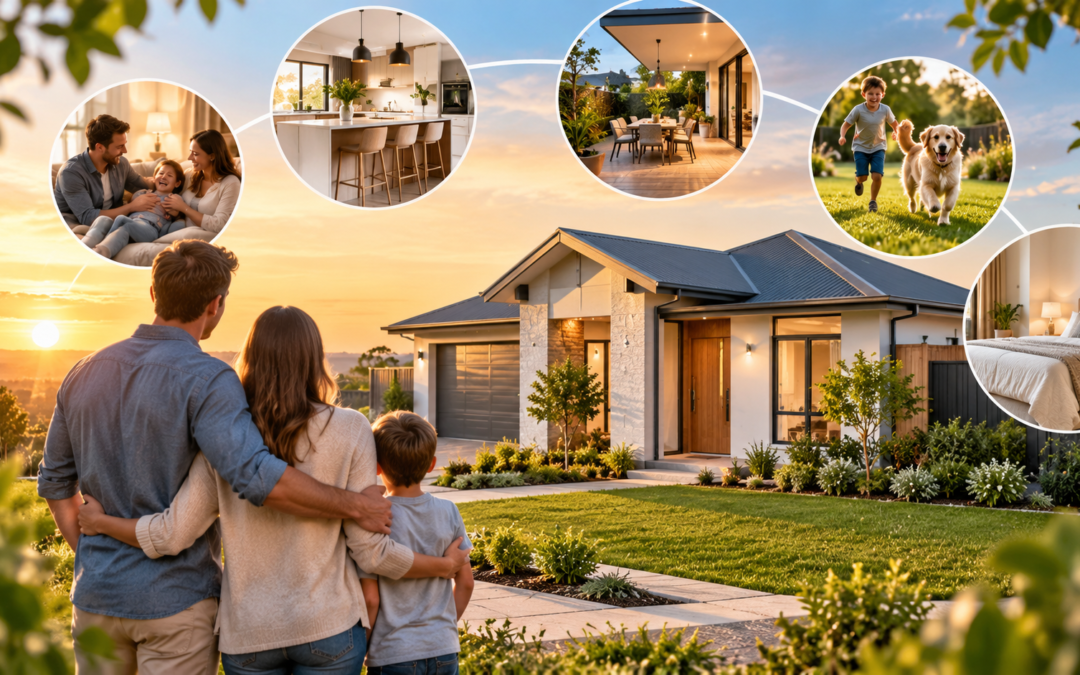
When most people start talking about building a new home, they jump straight to the house itself.
How many bedrooms do we need?
How big should the kitchen be?
What should the outside look like?
Which flooring is best?
But there’s another way to look at it.
What if building a home is really about planning the life you want to live inside it?
That one shift in thinking can change almost every decision you make after it.
If you’re looking into Granton Homes, this is a good place to start. Instead of only thinking about bricks, rooms and finishes, think about your daily routines, what matters most to you, and the kind of experiences you want your home to hold.
What Does a Normal Day Look Like for You?
Don’t picture a special occasion. Picture an ordinary day.
You wake up, make breakfast, get ready for work, maybe help the kids get ready for school, and come home in the evening.
Where does everyone end up spending time?
Is the kitchen the real heart of the house?
Do you need a quiet corner to work from?
Would you like the living area to open straight out into the garden?
Answering these questions can tell you more about the floor plan you actually need than any list of room sizes ever could.
A house isn’t just meant to look good when someone walks in for the first time. It’s meant to fit the way you actually live.
Your Home Should Reflect Your Life, Not a Template
There’s no single “perfect home” that works for everyone.
One family might need lots of space for entertaining. Another might value privacy above everything else.
Someone working from home might want a proper study. Someone else might want extra room for hobbies or for guests who visit often.
That’s exactly why personalisation matters so much in the planning stage.
Granton Homes offers both standard and custom design options, so you have room to shape things your way.
But the real question isn’t “standard or custom?”
It’s what do you actually want your home to do for you?
Where Do Your Best Memories Come From?
Think back to the homes from your childhood, or from an earlier chapter of your life.
Chances are, you don’t remember the exact paint colour on the walls.
You probably don’t remember which brand the kitchen appliances were.
But you probably do remember sitting at the dining table, playing in the backyard, chatting in the living room, or spending summer evenings outside with family.
That says a lot about what actually makes a house feel like home.
The parts of a house that stay with us aren’t always the most expensive ones. Often, they’re just the spaces where people spent time together.
Design Around Experiences, Not Just Features
Instead of starting with a features list, try starting with the experiences you want.
Love hosting weekend dinners? Think about how guests will move between the kitchen and the living area.
Want peaceful mornings? Think about where natural light falls, and where the quieter corners of the house could be.
Want more family time? Think about whether your shared spaces naturally pull people together.
Want a better work-life balance? Think about keeping your workspace separate from your relaxation space.
This way of thinking turns home planning into designing a life, not just shopping for a house.
What Are You Willing to Give Up?
Every build comes with trade-offs.
Budget, block size, planning rules, and practical limits will all shape what’s possible.
That’s exactly why it helps to know your priorities early on.
Maybe the kitchen matters a lot to you, but a big formal dining room doesn’t.
Maybe outdoor living is more important than an oversized bedroom.
Maybe storage matters more to you than one more decorative feature.
Once you know what really matters, the compromises get a lot easier to make.
Don’t Build for Somebody Else’s Life
This is such an easy trap to fall into.
You walk through a beautiful display home and spot a feature you love.
Suddenly, you’re imagining it in your own house too.
But pause for a second.
Would you actually use it?
A massive entertaining area doesn’t make much sense if you rarely host people.
A formal lounge might just sit empty if your family always ends up in the casual spaces.
A huge bathtub might look stunning in photos but never really fit into your routine.
There’s nothing wrong with wanting impressive features. Just make sure they earn their place in your actual life.
What Could Change Down the Road?
Your home needs to work for your life today, but it’s worth thinking ahead a little too.
Families grow.
Kids grow into teenagers.
Jobs and work setups change.
New hobbies come along.
Parents’ needs shift over time.
You don’t have to predict every detail of the future. Just ask yourself: does this home have room to adapt?
A flexible room that can serve more than one purpose is often more useful in the long run than a room built around just one specific use.
Your Surroundings Are Part of the Package Too
The life you build inside your home is shaped by what’s happening outside it as well.
Things like the location of your block, nearby amenities, the character of the neighbourhood, the views, the sunlight, and the general outdoor environment all affect how a home actually feels day to day.
That’s why choosing a design shouldn’t happen in isolation from thinking about the site.
A design that works brilliantly on one block might not work nearly as well somewhere else.
The relationship between your home and its surroundings deserves a real place in the conversation.
What Will Matter Once the Newness Wears Off?
The first few weeks in a new home are exciting. Everything feels fresh.
The kitchen is spotless. The rooms are untouched. Every finish looks perfect.
But eventually, that excitement settles into everyday life. That’s when the practical stuff starts to matter more.
Is the kitchen actually easy to use?
Is there enough storage?
Does the living space work for the whole family?
Is there somewhere quiet to retreat to when you need it?
Does the outdoor space actually get used?
These are the questions that decide whether a home still feels right long after moving day has passed.
The Most Impressive Home Isn’t Always the Best One
There’s a real difference between a house built to impress visitors and a home built to work for the people living in it.
One might have dramatic features that grab attention the moment someone walks in.
The other might have small, thoughtful details that quietly make everyday life easier.
Neither approach is wrong. But if you’re putting serious time and money into a build, it’s worth thinking about what you’ll experience every single day, not just what visitors will notice.
Where Granton Homes Fits Into All This
If you’re exploring Granton Homes, the best place to start probably isn’t a particular façade, floor plan or finish.
It’s a conversation about lifestyle.
What does your household actually need?
What isn’t working in your current home?
What do you want more of?
What do you want less of?
Which spaces will genuinely get used?
What might change down the line?
Answering these questions first can give you a much clearer picture before you start locking in design decisions.
A Different Question Worth Asking
Instead of asking:
“What kind of house do I want?”
try asking:
“What kind of life do I want my home to support?”
That single shift can completely change your priorities.
You might realise you don’t need the biggest house on the block.
You might want spaces that connect better with each other.
You might discover storage matters more to you than another flashy feature.
You might decide that natural light, a strong connection to the outdoors, or flexible rooms matter more to you than chasing the latest trend. And honestly, that might be one of the smartest ways to approach building a new home.
Final Thoughts
A home is so much more than its floor plan.
It becomes the backdrop for ordinary mornings, family chats, quiet evenings, celebrations, work, rest, and everything else in between. If you’re considering Granton Homes, thinking through these everyday experiences before locking in the big design decisions can lead to a far more meaningful conversation about what you actually want.
Because at the end of the day, the goal isn’t just to build a house that looks good. It’s to create a place where your everyday life feels right. And maybe that’s the real definition of a dream home.