
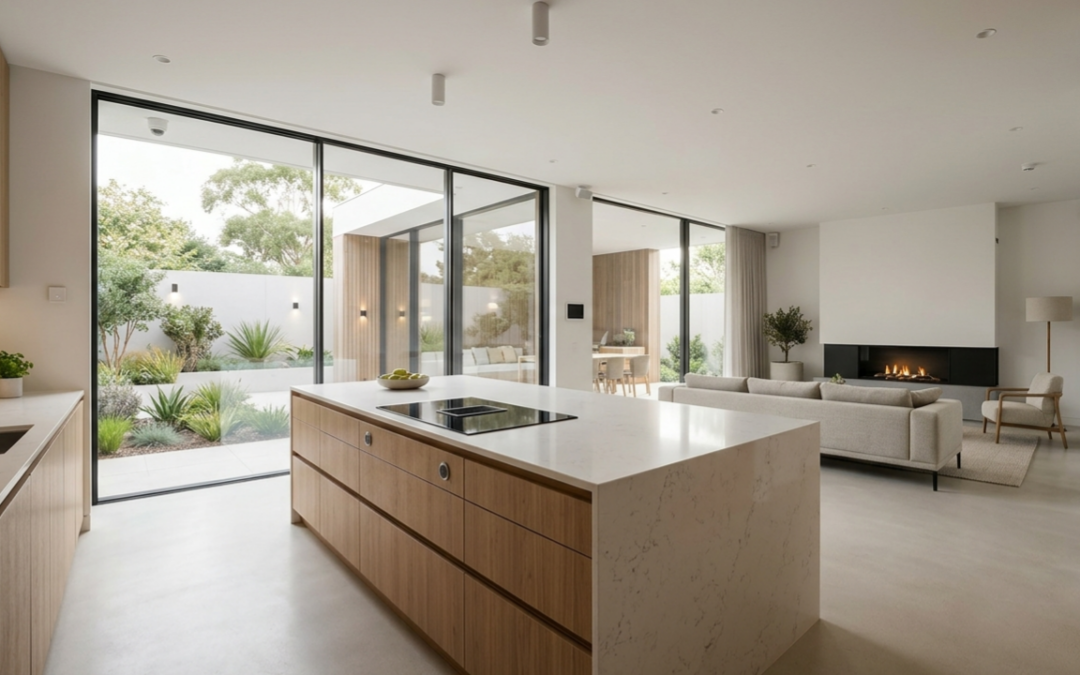
The way Australians choose homes has shifted in ways that are becoming increasingly clear to anyone paying attention to the market. A few years ago, the conversation was dominated by size, visual impressiveness, and upgrade packages. How big is the home? How does it look? What is included? Those questions drove most decisions, and the answers shaped what builders offered and what buyers chased.
Today, that conversation looks different. Size and appearance still matter — they always will — but they are no longer carrying the whole weight of the decision. More Australians are approaching the home buying and building process with a different set of priorities, and those priorities are producing meaningfully better outcomes.
As buyers research builders including Granton Homes and compare options across the market, the questions they are bringing to those comparisons have changed. And the change is worth understanding.
The Questions Buyers Are Now Asking
The questions that used to dominate home buying conversations were mostly about what a home had. How many bedrooms, how large the kitchen, what the upgrade package included, how the exterior presented. These are reasonable questions — but they are only part of what determines whether a home is genuinely right for the people who will live in it.
The questions more buyers are asking today go further. Will this home actually suit the way my household lives? Does the layout feel practical for our real daily routines — not just for an inspection, but for an ordinary Tuesday morning with everyone trying to get ready at the same time? Can this home adapt to how our needs might change in five or ten years without requiring expensive modifications? Will it remain genuinely comfortable to live in across the full long term?
These are better questions. They take more thought to answer honestly, and they require a more genuine understanding of personal lifestyle and future plans than a simple feature comparison does. But they consistently lead to smarter and more confident decisions — and to homes that people feel genuinely satisfied with across the full span of ownership.
Why Floor Plans Have Become So Central
One of the clearest expressions of this shift in priorities is how much more seriously buyers are now taking floor plans. Not long ago, the floor plan was often something buyers reviewed briefly after the visual impression had already been formed. Today, for a growing number of buyers, it is where the most careful analysis happens — and for good reason.
A home can be visually impressive in every way and still feel inconvenient and slightly frustrating to live in if the layout does not work well for how the household actually operates. The relationship between the kitchen and the living and dining areas affects how family time and meal preparation feel on a daily basis. Whether rooms are positioned in ways that support natural household flow affects how the mornings and evenings of busy family life actually unfold. Whether there are flexible areas that can serve work or study requirements affects how well the home supports modern working arrangements.
A well-designed floor plan improves daily life in ways that are felt every single day — often more significantly than any individual feature or upgrade. And buyers who give it the serious attention it deserves during the research process tend to end up considerably happier with their decision in the long run.
Natural Light Remains One of the Most Valued Features
Ask homeowners who are genuinely happy in their homes what they appreciate most, and natural light comes up with striking regularity. It is one of those features that is easy to take for granted when it is done well and impossible to stop noticing when it is not — and it has a profound effect on how a home feels to live in every day.
Homes with genuinely good natural light feel more spacious, more inviting, and more comfortable to spend extended time in than homes of identical size without it. The main living areas feel warmer and more welcoming. The atmosphere throughout the day is lifted in a way that artificial lighting simply cannot replicate. The difference between a bright, well-lit home and a darker one is felt every single morning — and across years of daily living, that consistent feeling adds up to something that matters enormously.
Many buyers only fully appreciate how much natural light matters after they have visited multiple homes in person and directly experienced the contrast between well-lit and poorly-lit spaces. That firsthand experience tends to permanently shift how high natural light sits on the priority list — and how carefully window placement and home orientation are evaluated during the decision-making process.
Flexibility Has Gone From a Nice-to-Have to a Real Priority
The modern home is being asked to do more than it ever has before. It is a workplace for those who work remotely — which is a large and growing proportion of Australian households. It is a study environment for children and adults learning from home. It is a family gathering space. It is a place for relaxation and recovery. Sometimes it is a place for hobbies, creative pursuits, or small business activities that require proper space and functionality.
All of that means a home needs to be genuinely flexible — able to accommodate different activities and different configurations at different times, and able to adapt gracefully as the household’s needs change over the years.
Buyers who look for genuine flexibility in the homes they consider — rather than treating every room as single-purpose and fixed — consistently end up with homes that serve them better over the long run. A spare bedroom that can honestly function as a home office when that is what is needed, rather than just technically fitting a desk in a corner. A living area that can be arranged differently at different stages of family life. A study or activity space that adapts as children grow through different ages and requirements.
This adaptability is a form of long-term value that is sometimes hard to see clearly during the initial search — and one that reveals itself clearly every time life changes in a direction that was not fully anticipated.
Storage Has Moved Up the Priority List
Storage is one of those features that consistently surprises buyers with how much it matters once they are actually living in a home. During the research and comparison phase, it rarely generates the same attention as kitchens or living areas or exterior design. But ask homeowners who have been in their homes for a year or two what they wish they had thought about more carefully, and storage comes up with remarkable regularity.
The reason is both simple and experiential. A home without enough well-placed storage gradually becomes harder and more effortful to manage as real household life accumulates its inevitable possessions, practical requirements, and the general accumulation of daily living. Surfaces that should be clear stay cluttered. The home requires more ongoing effort to keep feeling organised and pleasant. That effort is not dramatic — but it is daily, and it affects how comfortable and enjoyable the space feels to be in over time.
Good storage solutions — ones that are genuinely adequate for the household’s real needs and positioned in ways that make sense for how the household operates — contribute more to daily comfort than most buyers expect during the search process. They are worth considerably more attention than they typically receive.
Taking the Research Process Seriously
One of the more noticeable changes in how buyers approach home building and buying is the depth of research that now precedes any serious commitment. The combination of greater information availability and greater awareness of how much is at stake has produced buyers who are more prepared, more informed, and more thoughtful in their comparisons than previous generations were.
Display homes get visited with specific questions in mind. Floor plans get compared carefully with real lifestyle scenarios rather than just aesthetically. Customer experiences and builder reviews get read in detail. The building process itself gets understood before contracts are signed.
During this research process, companies like Granton Homes are naturally included as part of a broader comparison — evaluated alongside other builders and design options to understand how the homes they offer align with what the buyer genuinely needs. That kind of thorough, unhurried research takes time. But the confidence and clarity it produces at the decision-making stage is one of the most valuable things.