
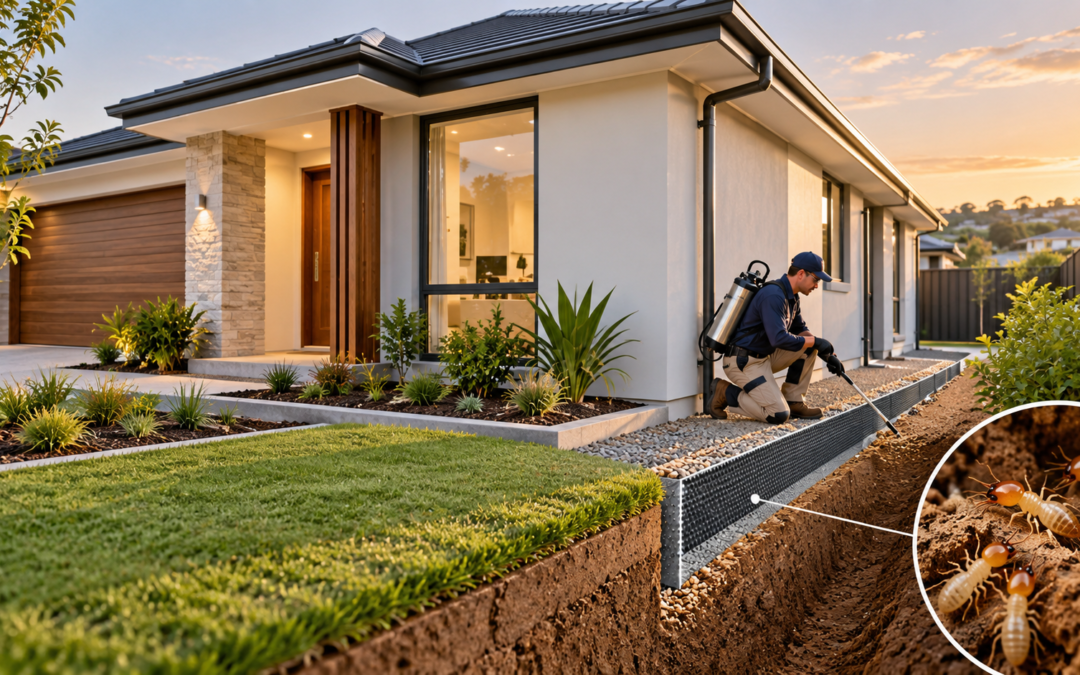
When you plan a new home, you probably think about the kitchen, the bathrooms and the backyard first. Termite protection rarely makes the list. But it should.
Termites can eat through timber, door frames, window frames and other parts of a house. The scary part is that you often don’t see the damage until it’s already there.
If you’re looking at home designs with Granton Homes, here are some questions worth asking before your build starts.
Why Does Termite Protection Matter in Australia?
Termites go after timber and other materials they can chew through. Depending on how your home is built, they can damage the structure as well as the inside finishes.
How big the risk is depends on your location, your block, how much moisture is around and a few other things. And a brand new home is not automatically safe. Don’t assume it is.
That’s why termite protection should be part of the plan from day one, not something you think about later.
Before construction begins, ask your builder what termite protection suits your site and how it will be installed.
How Do Builders Protect a New Home from Termites?
There’s more than one way to do it. The right choice depends on your home’s design, how it’s being built and what the rules require.
Common options include:
- Physical termite barriers
- Chemical termite systems
- Termite-resistant building materials
- Smart construction details that make it harder for termites to get in
Some systems need regular inspections or a top-up of chemicals. Others need less upkeep.
When you talk to Granton Homes about your design, ask which option applies to your project and what paperwork you’ll get. Whatever system is used should meet Australian building requirements and suit your property.
Does the Foundation Type Make a Difference?
Yes, it can. The way your home is built affects which termite options will work.
A home on a concrete slab may need a different approach from a home with a raised floor. Pipes coming through the slab, joints and other small gaps also need proper attention.
One more thing: a concrete slab on its own does not make your home termite-proof.
Ask your builder how your foundation and the rest of the construction will work with the termite system they’ve chosen. Knowing this early helps you understand what to look out for later.
Can Your Garden Attract Termites?
It can. How you set up your garden changes the conditions around your house.
Too much moisture, leaking pipes, old timber lying around and garden beds built right up against the walls can all cause problems. If you cover the spots that need to stay visible for inspections, it also gets harder to notice termite activity.
A few simple habits help:
- Don’t let garden beds or mulch cover the areas meant for inspection.
- Don’t leave timber sitting directly on the soil if it creates a termite risk.
- Fix leaking taps and pipes quickly.
- Make sure water drains away properly from the house.
- Follow the maintenance advice for your termite system.
You don’t have to give up a nice garden. You just want an outdoor space that looks good and still lets you check for termites easily.
Does Termite Protection Need Maintenance After the Build?
Yes. Getting a termite system installed is not the end of the job.
Some systems need more care than others. Chemical systems may need topping up, and even physical barriers need regular checks.
Make sure you know what type of system you have, what its limits are and how often it should be inspected.
Before you get the keys, ask for the termite protection documents and maintenance instructions. Keep them with your other home paperwork. Then book inspections as often as recommended for your property and the relevant standards.
What Signs of Termites Should You Look For?
Termites are hard to spot, especially when they’re working inside walls or other hidden places.
Some warning signs are:
- Mud tubes on foundations or walls
- Timber that sounds hollow or looks damaged
- Doors or windows that suddenly get hard to open or close
- Strange damage on timber surfaces
- Termites you can actually see around the property
These signs don’t always mean you have termites, and sometimes there are no signs at all.
If you think you have an infestation, call a qualified pest professional for an inspection. Try not to disturb anything that looks like termite activity until you’ve spoken to them.
What Should You Ask Before Your Home Is Finished?
It’s much easier to look after your home’s termite protection when you know exactly what was installed and what you need to do after handover.
Before your home is completed, think about asking:
- Which termite system has been installed?
- Does it meet the current building requirements?
- Are there areas around the house that must stay open for inspections?
- Does the system need ongoing maintenance or chemical treatment?
- What records, notices or warranties will you receive?
- How often should you book a professional inspection?
If you’re exploring a new home with Granton Homes, these questions will help you understand what protection your build has and what upkeep it needs.
Final Thoughts
So, how do you protect a new home from termites in Australia?
Start early. Think about termite protection while the home is being designed and built, choose a system that meets the requirements, and learn how to look after it once you move in.
Your job doesn’t end when construction does. Regular checks, proper maintenance and professional inspections all help keep the risk down.
When you plan your home with Granton Homes, make termite protection part of the conversation, right alongside design, materials and construction.