
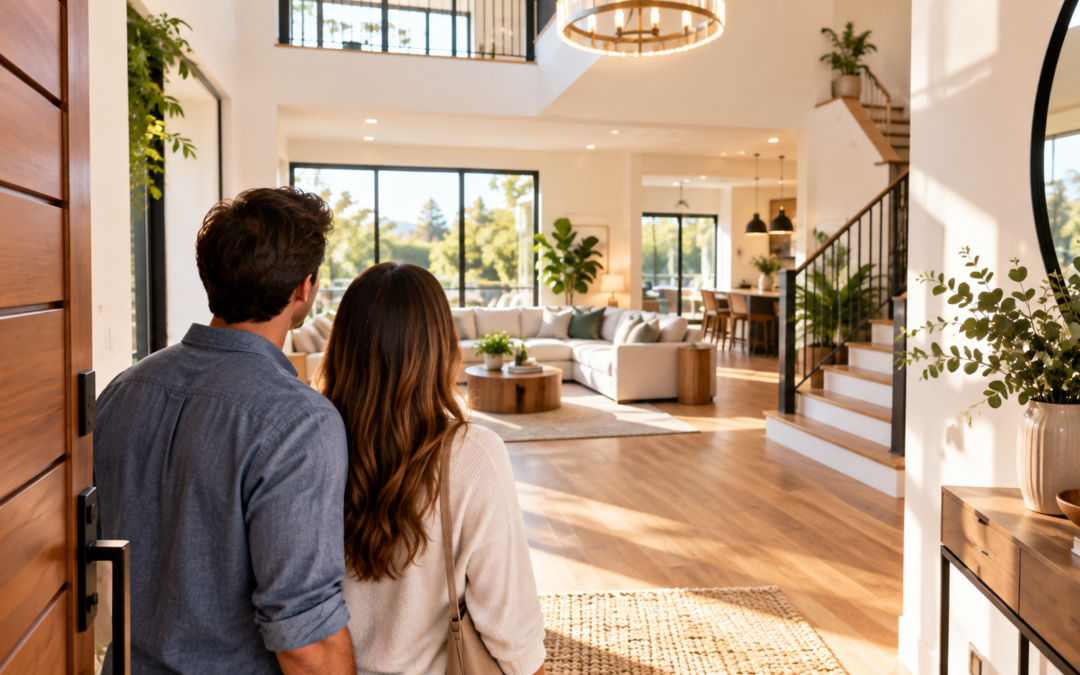
When you step into a home for the first time, what do you notice first?
For some people, it’s the kitchen. For others, it’s the natural light, the size of the living room, the view, or just the feel of the entrance.
But here’s the thing what grabs your attention first and what you actually end up valuing most are often two different things.
A feature can wow you on day one and then barely matter after a few months of living there. Meanwhile, something that seemed pretty ordinary at first can turn into one of the most useful parts of the house. That’s worth keeping in mind when you’re planning a new home with a builder like Granton Homes.
First Impressions Can Fool You
A stunning entrance leaves a strong impression right away. Big windows, high ceilings, nice finishes, an eye-catching kitchen all of that makes a home memorable during a quick visit.
But a walkthrough only lasts a few minutes. Actually living in a home is a whole different story.
You start noticing where you drop your keys. You find out if there’s enough storage. You see how the sunlight moves through the rooms during the day. You notice how easy or awkward it is to move from one room to another.
These everyday moments tell you a lot more about a home’s design than a quick tour ever could.
What Makes an Entrance Actually Work?
The entrance gets used constantly, but it’s easy to overlook when you’re planning a home.
Think about everything that happens there shoes coming off, bags getting dropped, deliveries arriving, keys needing a spot, guests coming and going.
A good entrance doesn’t need to be huge. It just needs to fit how your household actually functions. A bit of extra storage or a smooth transition into the main living space can make a bigger difference than you’d expect.
The Kitchen Needs to Do More Than Look Good
Kitchens are usually the star attraction in a new home, and it’s easy to get caught up in the finishes and appliances. But the layout matters just as much.
Can two people cook in there at once without bumping into each other? Is there enough counter space? Where do the appliances you use daily actually go? Can you bring groceries in easily? Does the kitchen flow naturally into the dining or living area?
You won’t think about these things during a quick inspection but you’ll think about them every single day once you’re living there.
Pay Attention to the Windows, Not Just the Walls
Natural light changes the whole feel of a room depending on the time of day. Instead of just judging a window by its size, think about what it actually looks out on and when the sun reaches it.
Morning light might be perfect for a bedroom. Afternoon light might suit the living room better. Views, privacy, and nearby buildings all affect how much a window actually adds to a room.
The Australian Government’s guidance on home design points to things like orientation, site conditions, and thermal performance as key factors in good design. So next time you’re at a display home, try picturing it at different times of day instead of just judging it by how it looks in that one moment.
Notice How You Actually Move Through the House
One of the easiest ways to judge a floor plan is to picture your normal day. Wake up, get ready, make breakfast, head out, come home, cook dinner, relax, go to bed.
Now think about how you’d move through the house at each step. Are the rooms placed logically? Do people end up crossing through busy spots for no reason? Is the laundry easy to get to? Is the kitchen close to where you actually eat?
Good design makes movement feel effortless you don’t even notice it’s working well.
What Happens When People Come Over?
A home also needs to hold up when it’s not just your household in it. Maybe friends come for dinner, family stays over for a few days, or you like hosting on weekends.
Think about where guests will sit, how they’ll get to the bathroom, and whether people can hang out without everyone being crammed into one space. You don’t need a massive entertaining area you just need the space to match how you actually like spending time with people.
Granton Homes: Looking Past the First Impression
Granton Homes offers both set home designs and custom options, and they involve homeowners closely in the planning process which makes this whole idea of looking past first impressions really relevant.
A new home shouldn’t just answer “does this look good?” It should also answer:
- Does this layout fit my routine?
- Is there enough practical storage?
- Does the home suit the block it’s on?
- Will it still work as my needs change?
- Are the rooms comfortable at different times of day?
- Can my family use the space without constantly getting in each other’s way?
These are the questions that lead to a much more useful conversation when you’re planning your home.
The Feature You Notice Last Might Matter the Most
Funnily enough, the most valuable part of a home isn’t always the one that gets noticed first. It might be a well-placed cupboard, a quiet corner, a convenient laundry, a comfy hallway, a window that catches great morning light, or a flexible room that can change purpose over time.
These aren’t usually the things people point out when showing off a new home but they’re often the things homeowners end up appreciating the most, every single day.
So What Would You Look For?
There’s no one right answer, because everyone lives differently. A family with young kids will have different priorities than a couple working from home. Someone who loves hosting might want open living spaces, while someone else might want quiet and privacy.
That’s why the best place to start isn’t a checklist of trendy features it’s a simple conversation about how you actually want to live.
Final Thought
Next time you walk through a display home, try something different. Don’t just look at the finishes walk through it like you already live there.
Picture making breakfast. Picture coming home with shopping bags. Picture a busy weekday. Picture friends over for the evening. Picture a few years passing and your needs changing.
You might start noticing things you’d normally walk right past. And maybe that’s the real test of a good home not whether it impresses you the moment you see it, but whether you can picture everyday life working naturally inside it.