
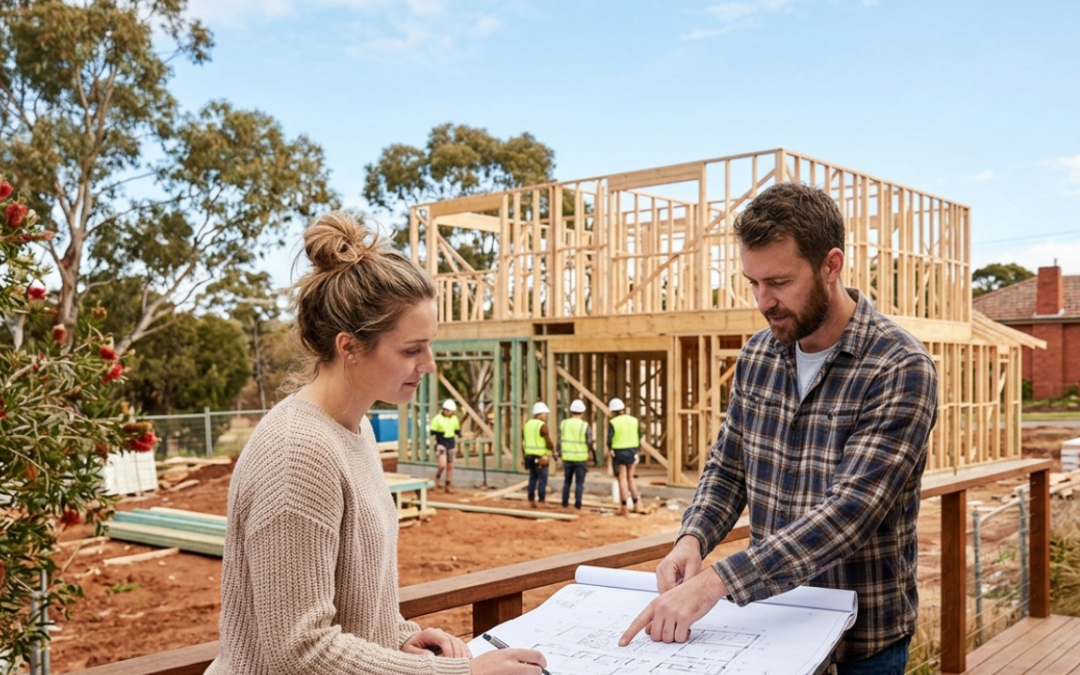
Buying a home is one of the biggest decisions most people will ever make. There is real excitement in it — the prospect of something new, something that genuinely belongs to you, something built around the life you want to live. But there is also a real sense of being overwhelmed, especially once the scale of the decision becomes apparent. So many builders to consider. So many home designs to compare. So many communities and locations and layouts, each with their own appeal.
In the face of that, more Australians are arriving at the same conclusion. Rather than rushing into a decision based on initial excitement, taking the time to research thoroughly — asking more questions, comparing more options, thinking carefully about what the household genuinely needs — is one of the smartest steps a buyer can take.
The First Thing You Like Is Not Always the Right Choice
There is a fairly predictable pattern to how most home searches begin. The first display home that genuinely impresses, the first advertisement that catches the eye, the first builder whose marketing feels especially polished and appealing — these early impressions carry a lot of weight, simply because they are first.
But buyers who continue comparing options past that initial impression often discover something important. A home is much more than the impression it makes in the first few minutes of an inspection. The layout that actually works for daily routines. The storage that genuinely keeps the household organised. The living spaces that are comfortable to spend real time in, day after day, rather than just impressive to walk through once.
These practical qualities often turn out to matter more than the expensive upgrades and visually striking features that made the first impression so strong. And recognising that — before committing rather than after — makes an enormous difference to the quality of the final decision.
No Two Families Need the Same Home
One of the most useful things a buyer can understand early in the process is that there is no single perfect home that works for everyone. What is genuinely the right choice depends entirely on the specific household doing the choosing — their stage of life, their priorities, their daily routines, their plans for the future.
A young couple just starting out might prioritise extra space and flexibility, planning ahead for a family that has not yet arrived. A growing family with children already in the picture might need larger, more functional living areas designed around the realities of daily family life. Someone working remotely might place real value on a genuinely quiet, properly separated home office — something that would matter far less to a household where nobody works from home.
The best home for any given buyer is not the one that follows someone else’s checklist or matches what looked impressive in someone else’s social media post. It is the one that genuinely fits the lifestyle of the people who will actually be living in it. Understanding your own household’s specific priorities — rather than chasing a generic ideal — is one of the most valuable things any buyer can clarify before starting to compare options seriously.
The Questions That Make the Biggest Difference
A common reflection among experienced homeowners — people who have already built and are now living with the results of their decisions — is that they wish they had asked more, and more specific, questions before committing to anything.
Will this home still genuinely suit me and my household in five years, or is it optimised purely for right now? Does the layout actually make everyday life easier, with natural flow between the rooms used most often, or does it just look good on paper? Is there enough genuine natural light throughout the main living areas, or does the home rely heavily on artificial lighting to feel adequately bright? Are the living spaces practical for the full range of activities my family will actually use them for — not just the staged version shown in a display home?
These are the kinds of questions that reveal far more than brochures or promotional photography ever can. They require genuine thought, honest reflection on real daily life, and often multiple visits to homes to properly evaluate. But the clarity they produce is invaluable — and it is exactly the kind of clarity that buyers who skip this step often find themselves wishing they had after the decision is already made.
The Value of Hearing From People Who Have Already Done This
Today’s buyers have access to a genuinely valuable resource that previous generations did not have nearly as much of — the documented experiences of people who have already built homes and are living with the outcomes. Online communities, forums, and discussion groups where homeowners share what worked well and what they would do differently provide insights that no amount of marketing material can replicate.
Reading through a range of these experiences also serves a useful reminder — that everyone’s situation is genuinely different. What worked brilliantly for one family might be entirely wrong for another. The value is not in finding a single definitive answer to copy, but in understanding the range of considerations that matter and applying them thoughtfully to your own specific circumstances.
Looking Past the Price Tag
Budget is, without question, an essential part of any home buying decision. It sets real and important limits, and no buyer can reasonably ignore it. But many experienced buyers eventually arrive at an important realisation — that price alone does not determine value.
A home that costs slightly less upfront but does not function well for the household, or that requires modification sooner than expected because it lacked genuine flexibility, can end up costing more in practical and emotional terms than a slightly more considered initial choice would have. A well-designed home that remains genuinely comfortable, practical, and well-suited to the household across many years tends to deliver more real satisfaction than one chosen primarily on the basis of upfront cost alone.
Looking at the complete picture — design quality, practical functionality, long-term flexibility, and overall liveability, alongside price — produces a more balanced and ultimately more satisfying decision.
Why Patience Prevents Future Regret
Buying a home is not a race, even though the process can sometimes feel that way amid promotions, deadlines, and the general sense of urgency that surrounds major purchases. Taking a few extra weeks to compare builders properly, visit multiple display homes, and ask the questions that actually matter is a genuinely small investment of time relative to the scale and permanence of the decision being made.
That extra time consistently helps buyers avoid the kind of regret that comes from moving too quickly — discovering a limitation after the commitment has already been made, when changing course is expensive and disruptive. Feeling genuinely confident about a decision is just as important as finding a home that initially appeals. And that confidence, more often than not, comes from the time invested in research rather than from the speed of the decision.
Final Thought
The home building journey is deeply personal, and every buyer approaches it a little differently based on their own circumstances, priorities, and family situation. But across all of that variation, one pattern holds consistently true. Buyers who spend genuine time researching, comparing designs thoughtfully, and understanding their own real priorities tend to make decisions that feel right for the long term — not just for the excitement of moving in.
As Australians continue exploring their options across different builders, including Granton Homes, many are discovering that careful planning and genuinely informed choices lead to a more enjoyable and less stressful home building experience overall. Rather than focusing primarily on appearances and first impressions, the buyers who end up most satisfied are consistently the ones who chose homes built around how they actually want to live every day.
That is the kind of thoughtful, well-researched decision-making that Granton Homes genuinely welcomes — because the buyers who take the time to understand their own needs are the ones who end up building homes they are truly happy with for many years to come.