
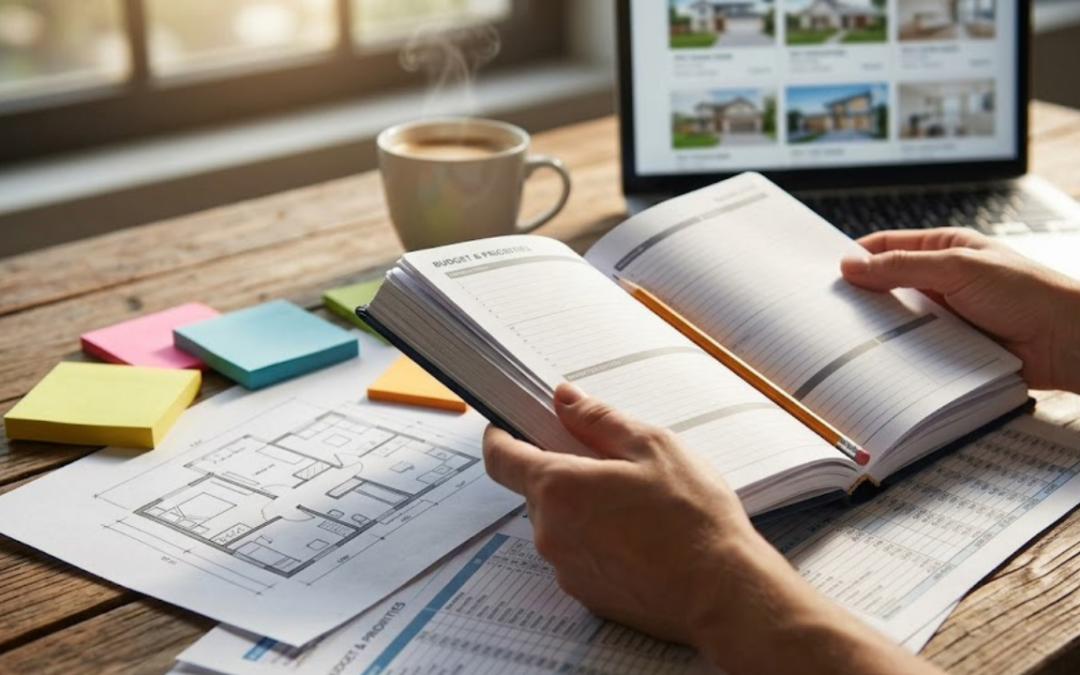
Buying a home is one of those experiences that generates a particular kind of energy. There is genuine excitement in scrolling through listings, comparing designs, visiting display homes, and imagining yourself in different spaces. That part of the process feels active and productive — like progress is being made with every comparison and every visit.
But experienced homeowners, looking back on their journey with the clarity that comes from actually living with their decisions, often say something that surprises people who are just starting out. The most important part of the process was not the shopping. It was what happened before the shopping — the planning, the honest self-reflection, and the careful thinking about what they actually needed before they started comparing what was available.
The buyers who spend that time thoughtfully tend to end up in homes they are genuinely satisfied with for a very long time. The ones who skip it and move straight to the excitement of comparing options often find themselves circling back to fundamental questions later — sometimes when they are already committed and the answers are expensive to act on.
Why Planning Prevents the Mistakes That Are Hardest to Fix
Most purchases in life are relatively forgiving. If you buy something and discover it is not quite right, returning or replacing it is straightforward enough. A home is not like that. The cost of changing your mind — selling, buying again, dealing with the financial and emotional weight of a move — means that getting the decision right the first time matters enormously.
That reality is what makes the planning stage so valuable. Before comparing specific homes or builders, before getting drawn into the visual excitement of display home visits or online galleries, buyers who take time to answer some fundamental questions for themselves are setting themselves up for a much cleaner and more confident decision-making process.
What lifestyle am I actually trying to support with this home? How much space does my household genuinely need — not aspirationally, but realistically? Will those needs look different in five or ten years as circumstances evolve? What features genuinely improve daily life for my household, and what features just look appealing in a brochure?
These questions do not have universal answers. They have personal ones. And taking the time to find the personal answers — honestly and specifically — changes the quality of every subsequent comparison and evaluation.
The Difference Between What You Need and What You Want
One of the most practically useful things any buyer can do during the planning phase is work through the distinction between genuine needs and appealing wants. It sounds simple, but in the emotional environment of a home search it can be surprisingly easy to conflate the two — to end up treating something that would be nice to have as though it were something the household genuinely cannot function well without.
A genuine need is something that meaningfully improves daily life for the specific household. Functional storage that keeps the home feeling organised without constant effort. Living areas that are comfortably sized for how the family actually uses them. A layout that supports the daily routines of the people who will be moving through it every day. Adequate room sizes for the household’s genuine configuration and needs.
A want is something that appeals visually or emotionally but is not essential to how the household actually operates. A luxury finish that looks impressive. A feature that seems desirable based on what you have seen in display homes or online but that your household would not regularly use.
Being clear about this distinction during planning does not mean denying yourself things you enjoy. It means understanding which features are non-negotiable for a home that genuinely works, and which are preferences that are worth accommodating if budget allows but do not define whether the home is right. That clarity makes every subsequent decision cleaner and more confident.
Why Layout Deserves More Attention Than Size
The assumption that a larger home is automatically a better home is one of the most persistent and most frequently disappointed ideas in housing. The reality, as many homeowners discover once they are actually living somewhere, is more nuanced and more interesting than that.
Layout — the fundamental logic of how the home is put together, how rooms relate to each other, how movement through the home actually feels in practice — consistently has a bigger impact on daily comfort and functionality than raw floor area. A well-designed, appropriately sized home with a thoughtful floor plan can feel more spacious, more comfortable, and more genuinely pleasant to live in than a larger home with a layout that creates inefficiencies and friction.
The things that make a layout work well are not complicated but they are worth thinking about specifically and practically. How does the kitchen relate to the dining and living areas — does it support how the family actually gathers and operates, or does it create separation where connection would be more useful? How does movement between the main living areas and bedrooms feel — is it natural and intuitive or slightly awkward? Are rooms positioned in ways that give the household the right mix of connection and privacy? Does the home as a whole flow in a way that makes daily routines feel effortless?
These are worth spending real time on during the planning phase — well before the visual excitement of display home visits starts to pull attention toward surface details.
Planning for the Future Alongside the Present
One of the clearest markers that separates buyers who end up satisfied from those who encounter frustrating limitations sooner than expected is how far ahead they were thinking when they made their decision. Present needs are important and should absolutely be central to the planning process. But they are not the whole picture.
Life changes. Often in ways that are partially predictable and partially not. A household that is currently two people may become four within a few years. Work arrangements that seem settled may shift toward more time at home as remote and hybrid work continues to evolve. Interests and hobbies develop in ways that create new space requirements. Children arrive, grow, and change the home’s functional requirements across every stage of their development.
A home chosen with some genuine thought given to these future changes — one that has flexibility built into its design, rooms that can honestly serve different purposes as needs evolve, spaces that do not lock the household into a single configuration — consistently serves its occupants better across the full span of ownership. That forward thinking during the planning stage costs nothing but time and honest reflection. The alternative — discovering limitations after you are committed — can cost considerably more.
What Natural Light Does for a Home That Planning Can Secure
Natural light is one of those features that planning can secure and neglect can easily sacrifice — and the long-term difference between those two outcomes is felt every single day.
A home planned with careful attention to orientation, window placement, and the positioning of main living areas relative to where light enters at different times of day will consistently feel warmer, more generous, and more genuinely comfortable than one where these considerations were not given enough thought. The difference is not subtle — it is pronounced and daily.
Many buyers say they only fully understood how much natural light matters after visiting multiple homes in person and directly experiencing the contrast between well-lit spaces and those without it. The home that feels alive and welcoming in a good natural light environment is a meaningfully different experience from the one that relies primarily on artificial lighting to compensate for what the design did not provide.
Planning for natural light from the start — before design decisions are locked in — is one of the highest-return investments of attention a buyer can make during the early stages of the process.
Storage Planning Pays Off in Ways That Are Felt Every Day
Storage deserves a place in the planning conversation that it does not always receive during the excitement of the early research phase. The return on giving it serious thought during planning — rather than treating it as a detail to sort out later — is substantial and consistent.
A home with thoughtfully planned storage keeps itself organised with relatively little effort. It feels calmer and more comfortable because the household’s real accumulation of possessions has somewhere logical and accessible to go. It does not generate the persistent low-level friction of clutter and disorganisation that accumulates in homes where storage was not properly planned.
This matters more the longer you live somewhere. In the early weeks, when everything is new and excitement is high, storage limitations are easy to overlook. Across years of daily living, they reveal themselves quietly and consistently in the ongoing effort required to keep the home feeling functional and comfortable.
Thinking about storage specifically and practically during the planning phase — what the household actually needs and where it needs to be — is one of the most practical and impactful planning decisions a buyer can make.
Comfort as the Genuine Goal
Something has shifted in how buyers define what they are actually trying to achieve when they buy or build a home. The old definition — luxury as scale and impressiveness, quality measured by the expensiveness of finishes and the length of upgrade lists — is giving way to something more personal and more honest.
Comfort. The kind that makes daily life feel genuinely easier and more enjoyable. Convenience that supports real routines rather than ideal ones. Functionality that serves the household’s actual needs rather than creating an impression for visitors. Simplicity that reduces ongoing demands rather than adding to them.
These qualities — when they come together in a home that was planned with them genuinely in mind — provide more day-to-day value than any amount of premium upgrades that looked impressive during an inspection and then faded into the background of daily routine.
Planning with comfort as the explicit goal from the start — rather than arriving at it as an afterthought once the visual excitement of the search has run its course — is one of the clearest differences between buyers who end up genuinely satisfied and those who find themselves with a beautiful home that does not quite feel right to live in.
Research and Planning Work Together
The research phase and the planning phase are most powerful when they work in combination. Planning alone — without enough information about what is available and what good design looks like — can leave buyers making abstract decisions without the concrete context they need to be genuinely useful. Research alone — without the clarity that planning provides about what actually matters for the specific household — can lead to being impressed by things that are not actually relevant to long-term satisfaction.
When planning happens first and research follows, the research becomes genuinely useful. Buyers visiting display homes know what they are specifically looking for and can evaluate what they find against concrete, personalised criteria. Comparing floor plans becomes a productive exercise rather than an exercise in being attracted to whatever looks most impressive. The enormous amount of information available becomes a tool for finding the right answer rather than a source of confusion and overwhelm.
That combination of clear planning and informed research is what consistently produces decisions that hold up well.
Final Thought
Finding the right home is not primarily about moving quickly through a shopping process until something impressive enough triggers a decision. It is about understanding yourself and your household clearly enough to know what you actually need — and then finding the home that meets those needs genuinely and durably.
The most successful homebuyers are the ones who invest in the planning stage before they invest in the shopping stage. They arrive at their final decision with clarity and confidence rather than excitement mixed with uncertainty. And the homes they end up in tend to serve them well not just in the first year but across the full reality of the years that follow.
That extra preparation is not a delay in the process. It is the process — done well. It is also something the team at Granton Homes genuinely supports — helping buyers think clearly about what they need before helping them build it, because a home planned with genuine understanding of the household it will serve is always a better home than one chosen on first impressions alone.